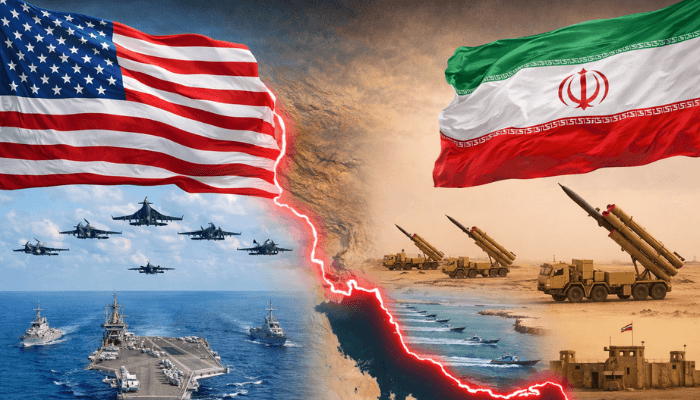
Tensions in the Gulf have entered a dangerous new phase after the United States moved to block maritime traffic linked to Iranian ports, a step that could reshape global energy flows and push an already fragile ceasefire closer to collapse.

According to the BBC, Washington has begun enforcing a naval blockade aimed specifically at ships entering or leaving Iran, while still allowing other international vessels to pass through the Strait of Hormuz, one of the world’s most critical oil transit routes.

Why the US is acting now

The decision by Donald Trump, US president is rooted in economic pressure.

The White House is targeting Iran’s two key revenue streams, oil exports and the fees it has reportedly been charging ships to pass through the strait. By restricting access to Iranian ports, Washington hopes to cut off Tehran’s ability to profit from high oil prices triggered by the conflict.

Trump framed the move in stark terms, saying the US would not allow Iran to decide who can or cannot trade through the waterway. The aim, he suggested, is to enforce an “all or nothing” approach to access.

The blockade follows failed negotiations between the two sides to end a conflict that began in late February and is now paused under a temporary ceasefire.

Read also: Nigeria’s inflation seen rising on fallout from Iran war

What a naval blockade means

A naval blockade is a wartime measure used to stop ships from entering or leaving an enemy’s ports.

Under international law governing naval warfare, blockades can be imposed by countries directly involved in a conflict. However, as the BBC notes, there is still legal debate around actions affecting international waterways.

The International Maritime Organization has said there is no legal basis for blocking a strait used for global transit, even during conflict.

Still, some legal experts argue that because the US and Iran are considered belligerents, Washington may claim justification under the laws of war at sea.

Read also: Crisis and opportunity: How Iran’s war shapes Nigeria’s economy

How the blockade is being carried out

The exact positions of US warships have not been disclosed, but the operation is unlikely to take place close to Iran’s coastline, where vessels would be exposed to missile and drone attacks.

Instead, according to the BBC, US forces are expected to monitor shipping using satellite intelligence and intercept vessels further out, likely in the Gulf of Oman, after they leave Iranian ports.

There have so far been no confirmed seizures. However, US Central Command says some ships have already been turned back. Humanitarian cargo such as food and medicine is expected to be allowed through, subject to inspection.

Risks of escalation

The move carries immediate global consequences.

Energy markets have already reacted, with oil prices rising sharply as fears grow over disruptions in a route that handles roughly a fifth of the world’s energy supply.

Iran has condemned the blockade as piracy and warned it could retaliate by targeting ports in neighbouring Gulf states. That raises the risk of a broader regional conflict involving countries such as Saudi Arabia, the United Arab Emirates and Kuwait.

Security analysts cited by the BBC warn of two major dangers, a further surge in global energy prices and the collapse of the ceasefire, potentially leading to full scale war.

Global economic shockwaves

The impact is not limited to the Middle East.
Much of the oil passing through the Strait of Hormuz is bound for Asia, with China a major buyer of Iranian crude. Beijing has already criticised the US move as dangerous.

A prolonged disruption could push up fuel and food prices worldwide, strain supply chains and slow economic growth. The International Monetary Fund has warned that continued conflict and high energy prices could tip the global economy towards recession.

Inside Iran, the blockade could also worsen food security, as the country depends on imports of grain and other essentials.

Read also: US announces blockade of Iranian ports after Islamabad talks collapse

A fragile moment

Roughly 3,000 ships pass through the Strait of Hormuz each month under normal conditions. That number has dropped sharply during the current crisis, underlining how quickly the situation can disrupt global trade.

For now, the blockade remains limited in scope, with no confirmed seizures and some vessels still moving through the region. But the combination of military pressure, economic stakes and legal uncertainty leaves little room for error.

What happens next will depend on whether diplomacy can regain ground or whether this latest move pushes the conflict beyond containment.

Faith Omoboye is a foreign affairs correspondent with background in History and International relations. Her work focuses on African politics, diplomacy, and global governance.

Join BusinessDay whatsapp Channel, to stay up to date

Open In Whatsapp