Global oil prices have surged by more than 50 percent as of March 24, triggering widespread currency depreciation across Africa and raising the cost of servicing external debt and importing essential goods.
At least 29 African currencies have weakened, increasing the local-currency burden of debt repayments and driving up the cost of food, fuel and fertiliser imports, according to a joint report by the African Union and the African Development Bank.
The report warns that the current shock is transmitting faster and through more concentrated channels than previous global disruptions, leaving African economies with limited time to adjust. The impact is already filtering through to households and businesses, underscoring the need for swift and coordinated policy responses.
“Disruptions linked to Gulf energy supplies threaten access to ammonia and urea during the critical March–May planting season, jeopardising agricultural production and compounding risks of food insecurity—particularly for low-income households and import-dependent economies,” the report said.
Countries with high external debt burdens, large import bills and weak foreign exchange reserves—including Senegal, Sudan, Cabo Verde, South Sudan and The Gambia—are expected to face the most acute fiscal pressures.
Oil shock and trade disruptions
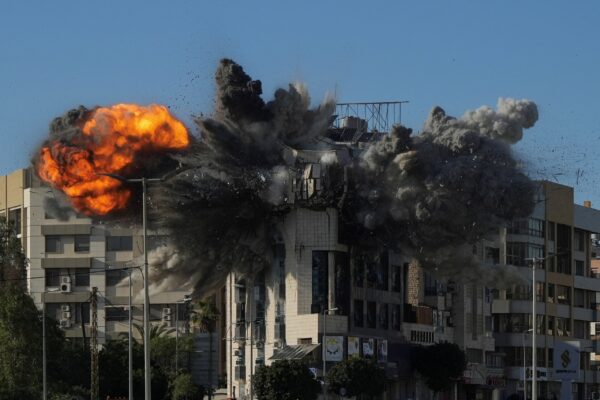
The ongoing conflict involving the United States, Israel and Iran, which began in late February, has pushed crude oil prices above $100 per barrel. Disruptions to tanker traffic through the Strait of Hormuz—through which roughly a fifth of global oil supply passes—have heightened fears of prolonged supply constraints.
For many African economies reliant on imported refined fuel, the impact has been immediate. Rising pump prices are feeding into higher transport, food and production costs, threatening to reverse recent disinflation gains and eroding consumer purchasing power.
The AU and AfDB report projects that if the conflict persists beyond six months, Africa’s GDP growth could decline by at least 0.2 percentage points this year. Prior to the crisis, growth was expected to reach 4.0 percent in 2026 and 4.1 percent in 2027, following 3.9 percent in 2025, according to the United Nations.
“The extent of the impact will vary depending on countries’ import dependency, exposure to the Middle East and prevailing global market conditions. The longer the conflict endures and disrupts shipping routes and energy and fertiliser supplies, the greater the risk of a significant growth slowdown across the continent,” the report noted.
From trade shock to cost-of-living crisis
Analysts warn that what began as a trade shock could quickly evolve into a full-blown cost-of-living crisis across Africa, driven by rising fuel and food prices, higher shipping and insurance costs, exchange rate pressures and tightening fiscal conditions.
For some countries, the fertiliser channel may prove even more disruptive than the oil shock. Reduced supply of liquefied natural gas from the Gulf could constrain ammonia and urea production, pushing up fertiliser prices during the critical planting season and worsening food insecurity.
The Middle East accounts for 15.8 percent of Africa’s imports and 10.9 percent of its exports, while the Strait of Hormuz handles about 20 percent of global oil exports, underscoring the continent’s exposure to the crisis.
Geopolitical and humanitarian risks rise
Beyond economic pressures, the crisis could intensify geopolitical competition across Africa, with global powers including the United States, China, Russia and Gulf states deepening their strategic engagement on the continent.
Fragile states such as Sudan, Somalia and Libya—already affected by external influence and conflict—could face heightened instability, particularly around control of ports, critical minerals and Red Sea security.
Humanitarian risks are also rising. Increased logistics and delivery costs could worsen conditions in the Horn of Africa, while shifting donor priorities toward military spending may further constrain development financing for African economies.
Policy response and reform agenda
The report calls for urgent and coordinated policy action to cushion households and stabilise markets. Immediate measures include targeted subsidies and interventions to ease pressure on fuel, food and fertiliser supply.
Over the medium term, governments are urged to strengthen energy security, expand targeted social protection and deepen intra-African trade under the African Continental Free Trade Area.
Longer term, the focus must shift to structural reforms, including strengthening domestic resource mobilisation, deepening capital markets and scaling innovative financing tools such as diaspora bonds and blended finance.
“As global crises multiply, Africa’s response must evolve from managing shocks to building resilience,” said Sidi Ould Tah, president of the African Development Bank Group. “African institutions and development partners must act swiftly and in coordination to cushion short-term impacts while laying the foundation for long-term stability.”
Join BusinessDay whatsapp Channel, to stay up to date
Open In Whatsapp