A new ranking by HelloSafe is offering a more nuanced way to measure wealth across Africa, not just by how much economies produce but by how that wealth is shared.

The HelloSafe Prosperity Index 2026 combines five indicators: GDP (PPP), GNI, Human Development Index (HDI), income distribution, and relative poverty rate. The result is a broader picture of prosperity — one that exposes the gap between headline economic growth and everyday living standards.

Here are the seven richest African countries in 2026, based on that methodology

Read also:

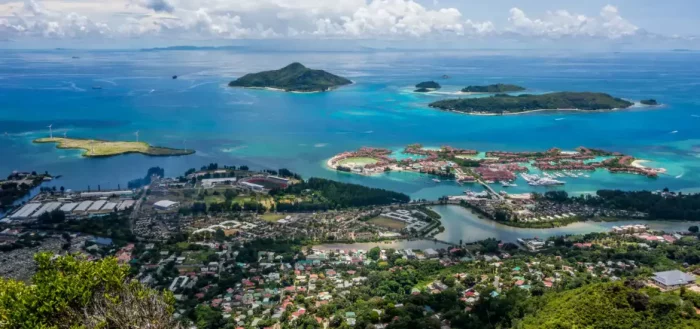
1. Seychelles — 98.09

Seychelles sits comfortably at the top, and by a wide margin. With a GDP (PPP) per capita of $42,110, it outperforms every other African country in terms of income levels. It also records the highest HDI score on the continent (0.848), reflecting strong outcomes in health, education, and living standards. Crucially, income distribution remains relatively balanced, reinforcing its overall prosperity score.

2. Mauritius — 77.09

Mauritius consolidates its reputation as one of Africa’s most stable and diversified economies. With a GNI of $12,570 and an HDI of 0.806, it joins Seychelles as the only African country in the UNDP’s “very high human development” category. Its consistent policy environment and relatively equitable income spread sustain its high ranking.

Read also:

3. Algeria — 54.24

Algeria’s position is less about high income and more about how evenly that income is distributed. The country records the most equal income distribution among those ranked, which significantly boosts its prosperity score despite a comparatively modest GNI. It highlights how equality can offset lower average earnings.

4. Gabon — 52.45

Gabon benefits from strong natural resource revenues, particularly oil, which support relatively high income levels. However, like many resource-rich economies, the challenge remains translating that wealth into broader social outcomes. Its ranking reflects a balance between high earnings and uneven distribution.

5. Egypt — 52.17

Egypt’s large and diversified economy helps secure its place in the top five. While income levels are moderate, improvements in infrastructure and social indicators contribute positively. Still, disparities in income and poverty levels continue to weigh on its overall prosperity score.

Read also:

6. Libya — 46.61

Libya’s ranking is shaped by its oil wealth, which lifts GDP figures. However, political instability and uneven distribution of resources limit broader development outcomes. The country’s position reflects this tension between resource-driven wealth and structural fragility.

7. Tunisia — 45.19

Tunisia rounds out the list with relatively balanced development indicators. While not among the highest in income, its social metrics — particularly in education and healthcare — help maintain a steady prosperity score.
the bigger picture
.

Faith Omoboye is a foreign affairs correspondent with background in History and International relations. Her work focuses on African politics, diplomacy, and global governance.

Join BusinessDay whatsapp Channel, to stay up to date

Open In Whatsapp