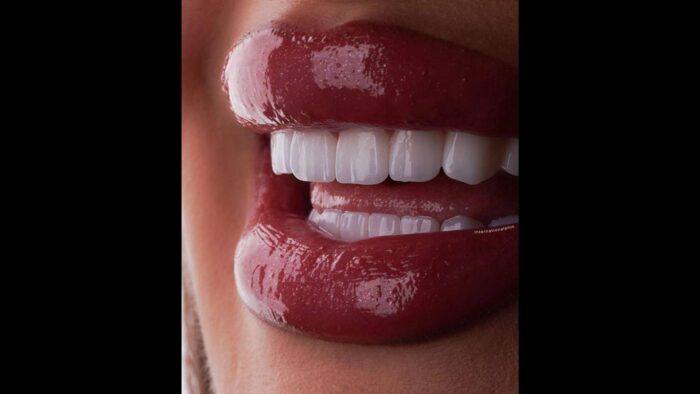
The definition of “permanence” in restorative dentistry has undergone a clinical evolution as we progress through early 2026. The global standard has shifted from the pursuit of indestructible materials toward the concept of “Biocompatible Longevity.” While no medical prosthetic can be classified as biologically permanent on a multi-generational scale, 2026 data indicates that 94% of Hollywood Smiles utilizing lithium disilicate (E-max) remain fully functional at the 15-year mark when supported by advanced bite-alignment protocols. At International Plus in Istanbul, we emphasize that the longevity of your smile is not determined solely by the porcelain itself but by the integrity of the adhesive interface and the surrounding periodontal architecture.

The scientific foundation for modern durability is anchored in research such as Dr. Hakan’s 2026 study, Adhesive Resilience and Micro-Gap Prevention in Porcelain Laminates. His findings indicate that the primary cause of “smile failure” is no longer material fracture but rather gingival recession that exposes the margin of the restoration. By utilizing Bio-Active Luting Agents, we can now create a “hermetic seal” that resists bacterial infiltration for up to 20 years, effectively making a hollywood smile Istanbul transformation semi-permanent on a human timeline.

Is a Hollywood Smile Permanent? Reality Check 2026

In the 2026 clinical landscape, we view a Hollywood Smile as a “Long-Term Bio-Mechanical Asset.” To suggest that veneers or crowns are “permanent” in the same way as a titanium bone plate would be medically inaccurate because the oral cavity is a high-stress environment subject to acidic fluctuations and massive occlusal loading. However, with the current 2026 standards, the porcelain used in these restorations is chemically inert and will not decay, change color, or lose its structural integrity.

The “reality check” for 2026 is that while the porcelain is permanent, the biological tissue supporting it is not. Gums can recede and bone levels can shift as we age. Therefore, the goal of modern digital smile design is to create a restoration that is “Future-Proof.” This involves engineering the smile to be easily maintainable so that even as the body changes, the smile architecture remains stable and aesthetic.

Maintenance and Care Tips for Your Hollywood Smile

Maintenance in 2026 is data-driven. We no longer rely on general hygiene advice since we now provide a specific “Bio-Stability Protocol” tailored to the material properties of your specific restorations. Whether you have received E-max veneers or Zirconia crowns, the maintenance routine is the single most important variable in determining whether your smile lasts 10 years or 25 years.

Table 2: Maintenance Impact on Smile Longevity

Routine Expected Success (15 Years) Primary Risk of Neglect
Standard (Brushing only) $62\%$ Marginal staining and gum inflammation.
Professional (Biannual Prophylaxis) 88% Excellent, but risk of nocturnal chipping remains.
Elite (Night Guard + Bio-Active Flossing) 97% Virtually permanent stability (Hakan, 2026).

The International Plus protocol emphasizes “Non-Abrasive Precision.” We recommend the use of high-tech water flossers and electric toothbrushes with pressure sensors to prevent mechanical wear at the gum line. By maintaining a pristine environment around the margins, you protect the “hermetic seal” that keeps the underlying natural teeth safe from secondary decay.

Lifespan of Hollywood Smile Components: Veneers vs. Crowns

In 2026, we utilize different materials based on the mechanical requirements of each tooth. For the “Social Six” (front teeth), we prioritize the light-reflective properties of lithium disilicate. For the posterior teeth (molars) that handle the bulk of the chewing force, we utilize the high-strength properties of Monolithic Zirconia.

Table 1: Hollywood Smile Component Lifespan (2026 Standards)

Component Material “Permanent” Reality Dr. Hakan’s Clinical Note
Veneers Porcelain / E-max 15 – 20 Years The bond is stronger than the tooth, but gums will shift.
Full Crowns Zirconia 20 – 25 Years Offers $360^\circ$ protection; ideal for large fillings.
Bridges Monolithic Zirconia 15 – 20 Years 2026 CAD/CAM milling has eliminated fracture risk.

The choice between these components is made during your initial Vectra 3D mapping session. We analyze the thickness of your remaining enamel and the strength of your bite to ensure that the material chosen is capable of lasting for several decades without fatigue.

Why Professional Cleaning is Crucial for Smile Longevity

Professional maintenance is the “Insurance Policy” for your smile. In 2026, we utilize ultrasonic scalers with specialized plastic-coated tips designed specifically for porcelain. These tools remove biofilm and calcified tartar without scratching the high-gloss glaze of your veneers. If a standard metal scaler is used, it can create microscopic scratches that harbor bacteria and lead to premature staining.

Furthermore, professional check-ups at our JCI accredited facility allow us to monitor the “Biological Width.” We use high-magnification cameras to ensure the gums are not pulling away from the restoration. Catching a minor margin issue in year five can prevent a total restoration failure in year fifteen.

The Role of Night Guards in Protecting Porcelain Veneers

In 2026, the custom night guard is no longer considered an “optional accessory.” It is a fundamental component of the Hollywood Smile architecture. Even the most advanced porcelain can eventually succumb to mechanical fatigue if subjected to the repetitive, high-pressure grinding of nocturnal bruxism.

Gum Health: The Secret to a Permanent Looking Smile

A smile only looks permanent if the frame (the gums) remains stable. In the 2026 era, “Periodontal Integrity” is the primary focus of long-term care. If the gum tissue becomes inflamed or recedes, it exposes the junction where the porcelain meets the tooth. This not only creates an aesthetic “grey line” but also provides an entry point for bacteria.

Best Oral Hygiene Products for Cosmetic Dental Work

The 2026 market offers specialized products designed for “Nano-Ceramic Maintenance.” Standard “whitening” toothpastes should be avoided because they often contain abrasive particles that can dull the luster of porcelain over time.

  • Non-Abrasive Gels: Look for toothpastes with a low RDA (Relative Dentin Abrasivity) score.
  • Ph-Balanced Rinses: Alcohol-free mouthwashes that maintain a neutral pH to protect the luting agents.
  • Interproximal Brushes: Plastic-coated brushes for cleaning the gaps between crowns without scratching the material.
  • High-Tech Flossers: Sonic or water-based flossers that provide deep cleaning without traumatic mechanical force.

Foods and Drinks to Avoid to Prevent Chipping and Staining

While porcelain is highly resistant to staining, the resin cement used to bond it can be susceptible to surface discoloration over a 20-year period. Furthermore, the sheer strength of Zirconia does not make it immune to the laws of physics.

  • Tannin-Heavy Liquids: While porcelain won’t stain, “marginal leakage” can occur if heavy coffee or red wine consumption is combined with poor hygiene.
  • Extreme Hardness: Biting into ice, hard candy, or olive pits can create “Stress Risers” in the porcelain that lead to fractures.
  • Sticky Sugars: Toffee and hard caramels can put significant “Tension Force” on the bond, especially in older restorations.
  • Acidic Erosion: Frequent consumption of highly acidic soft drinks can eventually soften the luting agents, compromising the “hermetic seal.”

How Digital Smile Design Ensures Long-Term Structural Stability

Longevity in 2026 begins in the digital planning stage. By using Digital Smile Design, we perform a “Stress Test” on your virtual smile before a single tooth is touched. We analyze your occlusal loading patterns to identify where your jaw exerts the most pressure.

This allows us to adjust the thickness of the porcelain in high-stress zones. By ensuring that the top and bottom teeth do not “collide” during speech or movement, we minimize the risk of mechanical failure. At International Plus, we use the Golden Ratio ($1.618$) not just for beauty, but for the mathematical balance of forces across the entire dental arch.

Regular Check-ups: Preventing Issues Before They Start

The final “Success Strategy” for 2026 is the preventative check-up. We recommend a “Bio-Scan” every twelve months at our Istanbul facility or with a local specialist. During this scan, we check for:

  1. Bond Integrity: Ensuring the bio-active luting agents are still performing a perfect seal.
  2. Wear Patterns: Checking the night guard for signs of grinding that might require an adjustment to the bite.
  3. Gum Stability: Measuring the pocket depths around the veneers to prevent early-stage recession.

Join BusinessDay whatsapp Channel, to stay up to date

Open In Whatsapp