
…traders seek infrastructure upgrade
…urge FG to address issue of multiple taxation, extortion
The federal government has reaffirmed its commitment to supporting business operators at the Lagos International Trade Fair (LITF) complex, with a pledge to drive growth and development in the country’s trade sector.
Jumoke Oduwole, minister of Industry, Trade, and Investment, on a working visit to the LITF complex, reaffirmed the government’s commitment to supporting trade, production, and export activities, stressing that Nigeria must move beyond policy reforms to also revitalise key institutions that drive commerce and industry.
She urged traders to drive backward integration by bringing their industries to Nigeria and supporting the local manufacturing sector.
Addressing the minister, entrepreneurs, importers, and traders at the complex, decried the decayed infrastructure in the axis, issues of multiple taxation and extortion from non-state actors; all of which they said continue to hinder trade and investment.
Read also: Lagos International Trade Fair complex revenue soars to N430m in Q1 2024 – Minister
They noted that these challenges undermine investor confidence and that if nothing is done to address these issues, they will be forced to shut down operations.
Okechukwu Ezigbo, president, LITF, noted that business operators at the complex want to be formalized and recognised by the state and federal governments.
He decried the total lack of support from the government, despite yearly remittances by the complex.
Ezigbo said this is discouraging them from making any further investments in the economy.
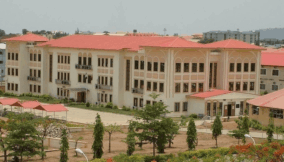
He also pointed to major challenges affecting business activities in the complex, including limited government support and the need for infrastructure upgrades to meet global standards.
“The host government should do more to support traders in infrastructure, so that commerce, trade, and services will thrive. Multiple taxation by area boys (Agbero) is also a problem.
“This market feeds the whole West Africa region, but sadly, due to the infrastructural decay, we are losing our customers to Cotonou and Seme,” Ezeibe said.
According to him, there are 22 checkpoints between Seme and here, both from state and non-state actors, and businesses are extorted at every single one.
“From the port to here is three checkpoints, and it is the same issue; we are tired of going through this daily, and will continue to pass these extra costs to consumers.
“The area boys and ‘omo onile’ are after our lives and investments; they say they are more powerful than the government and frustrate trade. Something must be done,” Ezeibe said.
He called for the taxes to be streamlined and made one-off, removal of checkpoints from the road, which he said are all hindering trade and commerce.
“We’re overtaxed but get nothing in return. We’re being treated as visitors rather than investors, and we’re running out of patience. Look around, the infrastructure is decaying around us.”
Recounting the demolitions of last year, he said they lost billions of naira, and many traders are yet to recover from that ordeal.
“We could have dialogued rather than outright demolition. If local investors are treated this way, how do you expect foreign investors to come in?” he asked.

Join BusinessDay whatsapp Channel, to stay up to date
Open In Whatsapp