Rehoovoot Nigeria Limited, a Lagos-based real estate investment and property consultancy firm, has canvassed the collaboration of government and industry stakeholders to unlock dormant land assets.
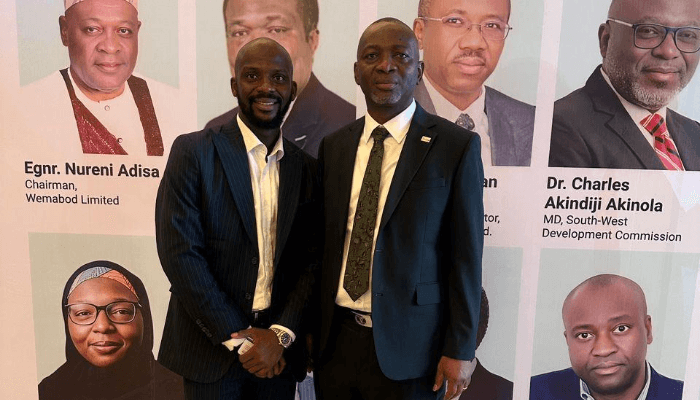
Rehoovoot, which was founded in 2022, participated in the 2026 WEMABOD Real Estate Outlook Conference, arguably Nigeria’s foremost platform for real estate thought leadership, policy dialogue, and market foresight.
Akinbinu Samuel, the managing partner, revealed that, over time, they have built a reputation for delivering value-driven real estate solutions across luxury real estate advisory, land banking opportunities, and property management.
He explained that unlocking dormant land assets would translate infrastructure investments into inclusive housing outcomes.
Samuel highlighted the relevance of the conference, stressing the need for intentional, long-term thinking in Nigeria’s real estate ecosystem: “Land and infrastructure are the foundation of sustainable housing, but unlocking them requires more than capital, it demands vision, structure, and responsible advisory,” he stated.
He disclosed that, at Rehoovoot, they are deliberate about identifying viable land assets, guiding investors through compliant land banking strategies, and supporting developments that align with infrastructure realities.
According to him, inclusive housing will only be achieved when land access, planning, and investment are approached holistically.
The conference, which had as its theme, ‘Unlocking Land and Infrastructure for Inclusive Housing: A Regional Agenda for Sustainable Urban Growth,’ convened policymakers, developers, investors, and industry experts to address some of Nigeria’s most pressing challenges: access to land, infrastructure, and sustainable housing solutions.
Yemi Osinbajo, a Professor and former Vice President of the Federal Republic of Nigeria, delivered the keynote address, underscoring the national importance of returning to deliberate, state-led planning and infrastructure-driven development as the pathway to inclusive housing.
Osinbajo drew extensively from the historic Bodija Estate development in Ibadan as a model for inclusive, infrastructure-led housing. “Bodija’s most radical achievement was its deliberate social mix.
The estate accommodated everyone from middle-income earners to larger homes for senior professionals, without segregation. Social integration was designed, not accidental. Infrastructure was treated as a public good, not a private burden, quietly subsidising affordability by reducing the cost of living for residents who did not have to self-provide basic services,” the former vice president noted.
Osinbajo contrasted this with contemporary housing developments, noting that while modern private estates have rediscovered the infrastructure-first principle, they remain expensive precisely because infrastructure costs are internalized and capitalized into house prices, making inclusion structurally impossible.

Join BusinessDay whatsapp Channel, to stay up to date
Open In Whatsapp