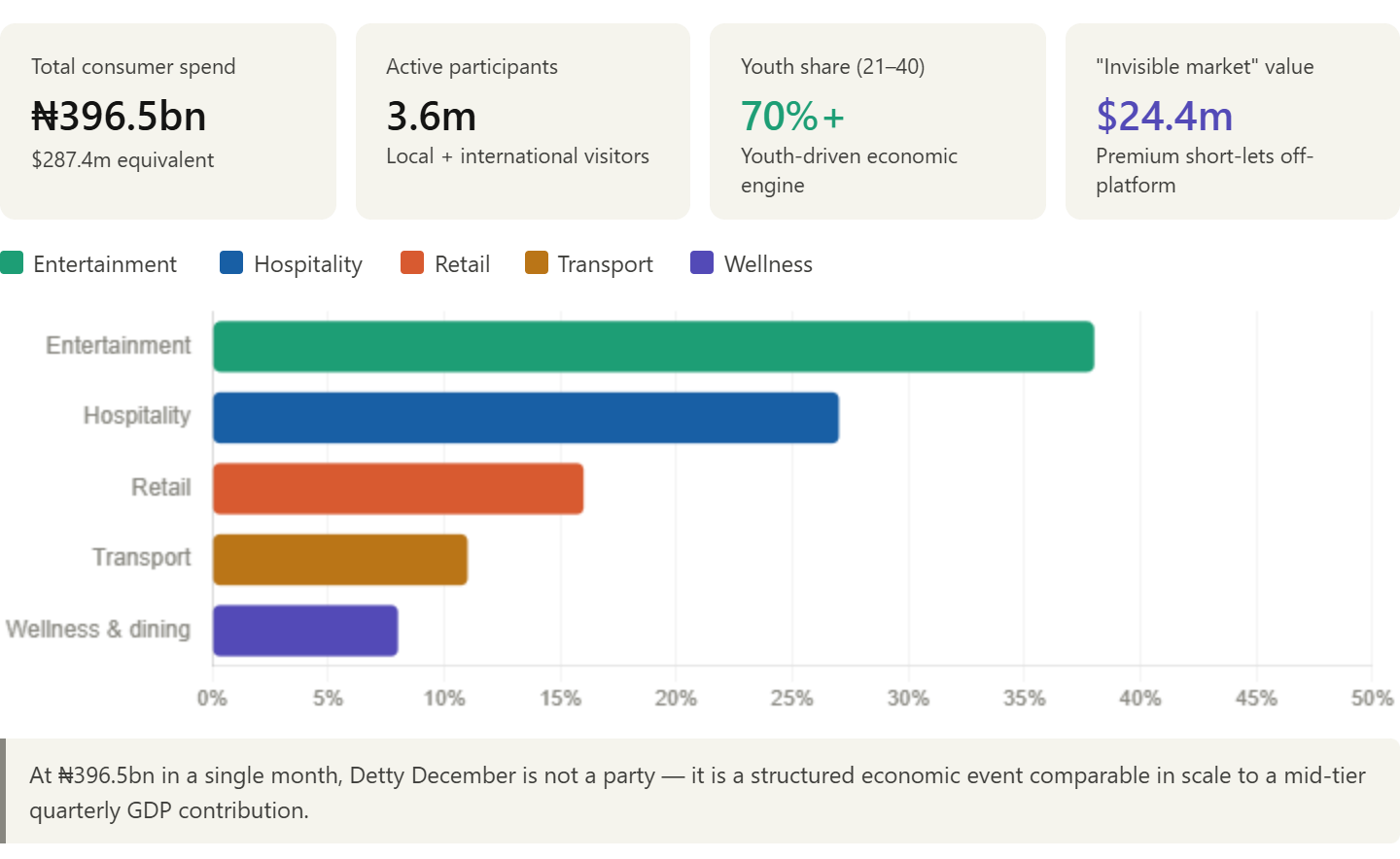
Lagos, known as the heartbeat of Africa’s creative economy, has redefined itself over the years through its unique cultural phenomena, none more significant than Detty December. This season has evolved from a mere festive period to an unparalleled economic engine, shaping multiple sectors including entertainment, hospitality, retail, and transportation. In 2025, Lagos saw an explosion of economic activity, with consumer spending totaling ₦396.54 billion ($287.35 million), underscoring the immense potential for investment and growth during this period.
Cultural Capital Meets Economic Engine
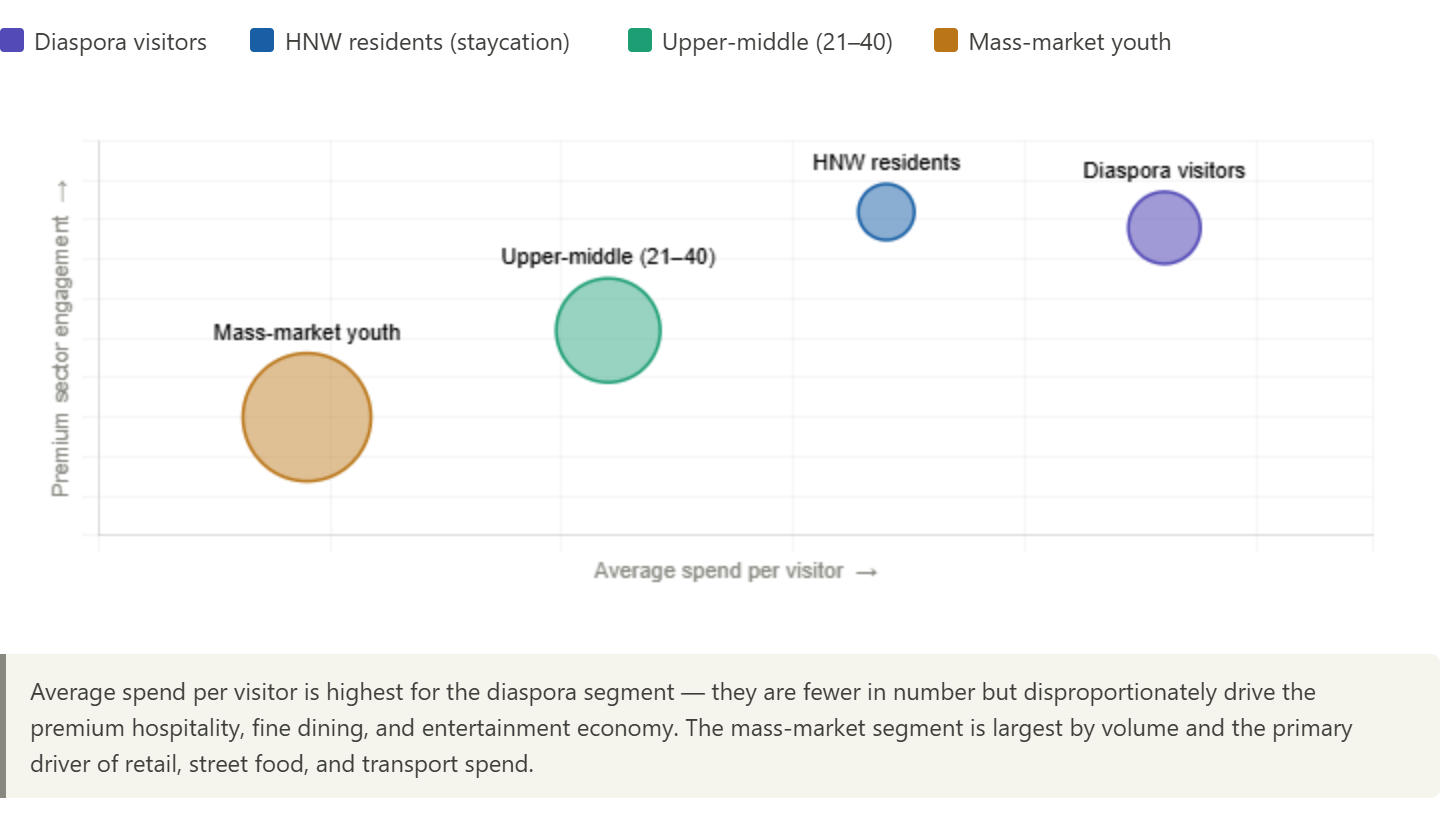
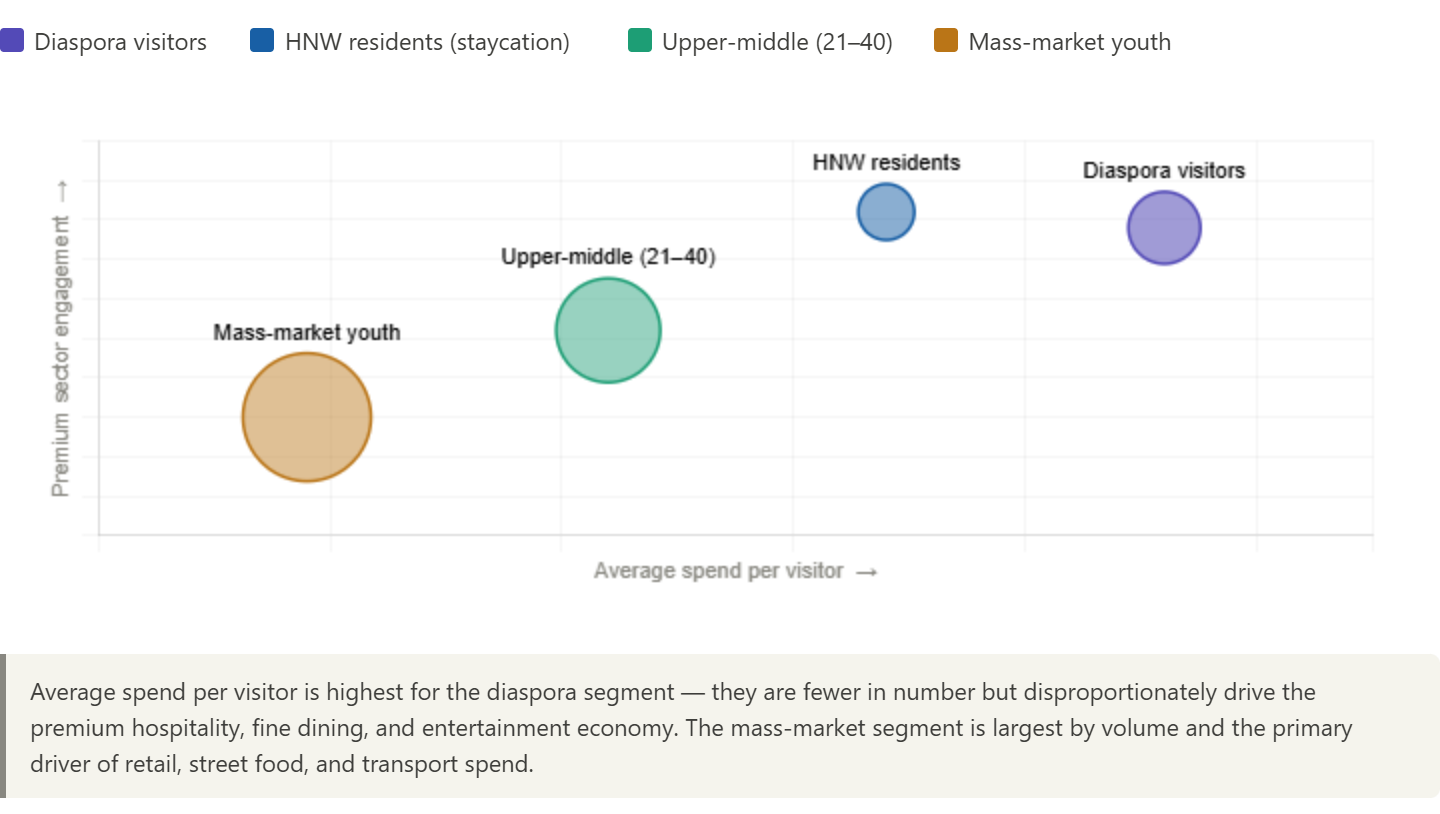
The Detty December season is not just a celebration of culture, but a highly lucrative commercial event. Dominated by a diverse demographic, with over 70% of participants aged between 21 and 40, this season is uniquely positioned as a platform for youth-driven economic engagement. The influx of both local and international visitors—approximately 3.6 million active participants—creates a temporary population explosion that drives demand across various sectors. Governments must leverage this peak by creating targeted policies that enhance logistical support and safety measures, ensuring a seamless experience for both locals and visitors. The role of state agencies in ensuring effective crowd management and transportation logistics during this period cannot be overstated.
The Role of Government and Infrastructure Development
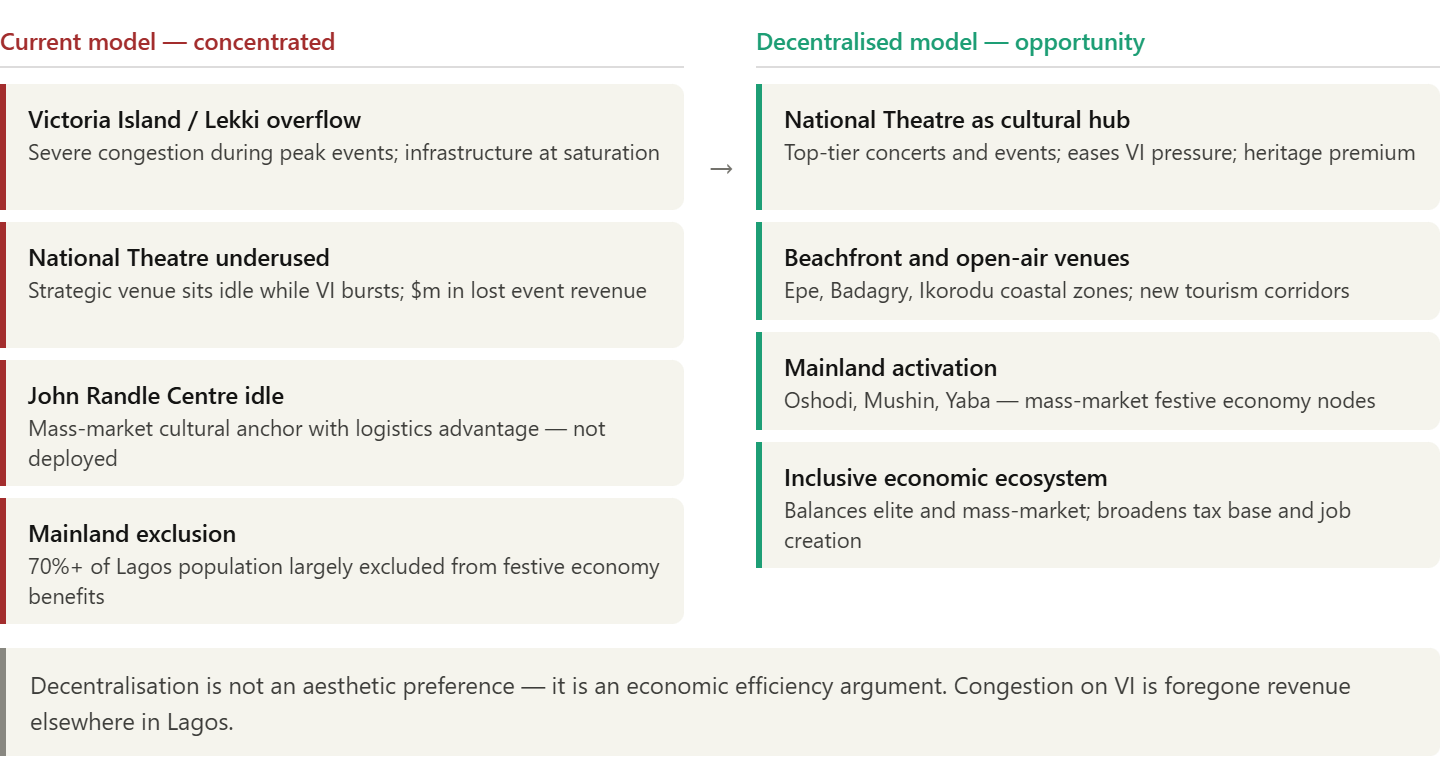
Lagos has been under scrutiny for its infrastructural gaps, especially during high-demand periods like Detty December. Notably, the underutilization of key venues such as the National Theatre and the John Randle Centre reveals a missed opportunity for decentralizing the city’s cultural and economic activities. The National Theatre, with its strategic location and logistical advantages, could ease the congestion on Victoria Island by hosting top-tier events during peak periods. The government must prioritize revitalizing these spaces, leveraging them as cultural hubs that can balance demand across the city. A decentralized approach would not only alleviate pressure on the Island but also create a more inclusive economic ecosystem, benefiting both high-end and mass-market activities.
Opportunities for Investors: The “Invisible Market” and Hospitality Shifts
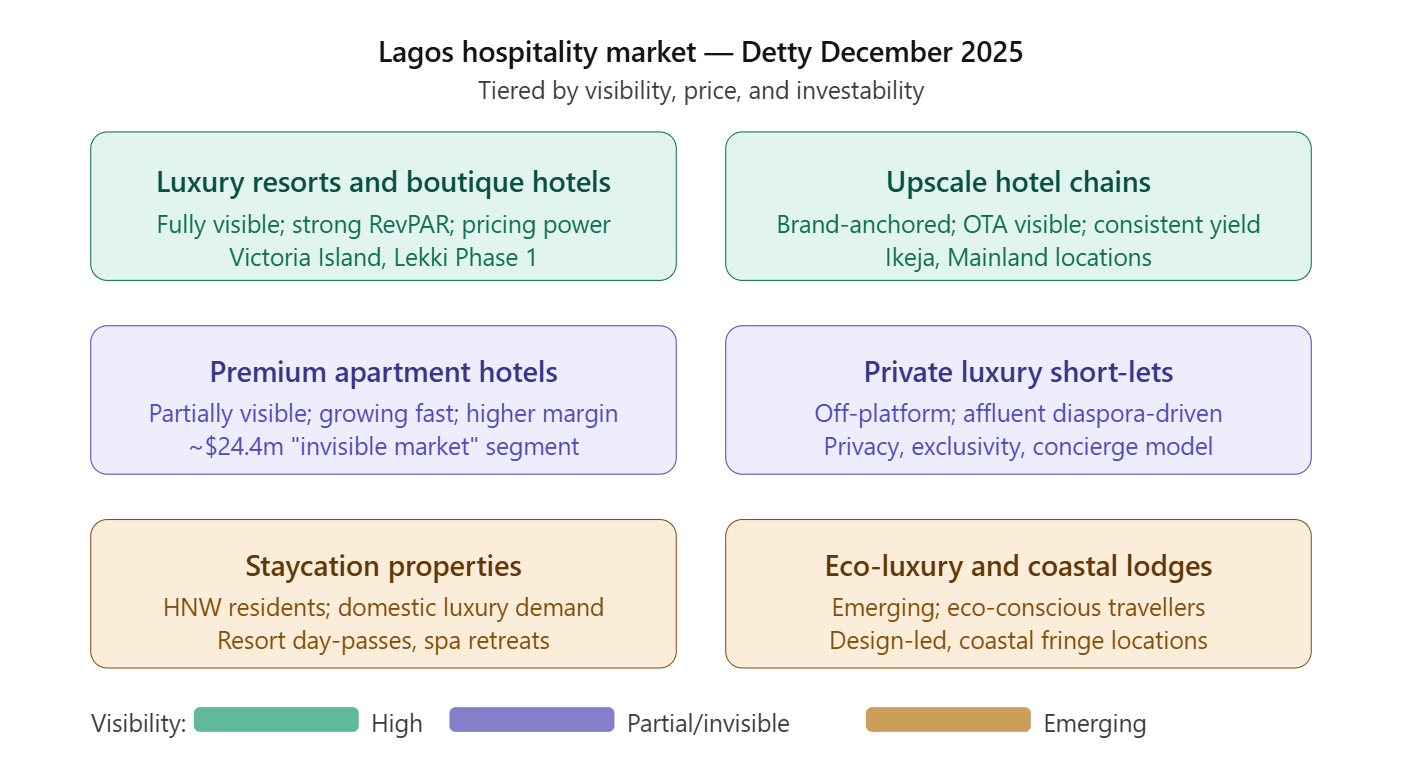
The hospitality sector during Detty December 2025 saw a dramatic shift towards premium accommodations, with significant revenue generated by luxury short-lets and resorts. However, the report highlights an emerging “Invisible Market” valued at approximately $24.4 million, composed of premium apartment hotels and private short-lets that do not appear on traditional booking platforms. This invisible market represents a key opportunity for investors to tap into the growing demand for exclusive, high-end accommodations that cater to the affluent and the diaspora. Additionally, the growing popularity of “staycations” among high-net-worth residents indicates a shift in consumer behavior, where privacy, luxury, and exclusivity are prioritized over traditional hotel stays.
Private Sector Engagement: A Call for Strategic Collaboration
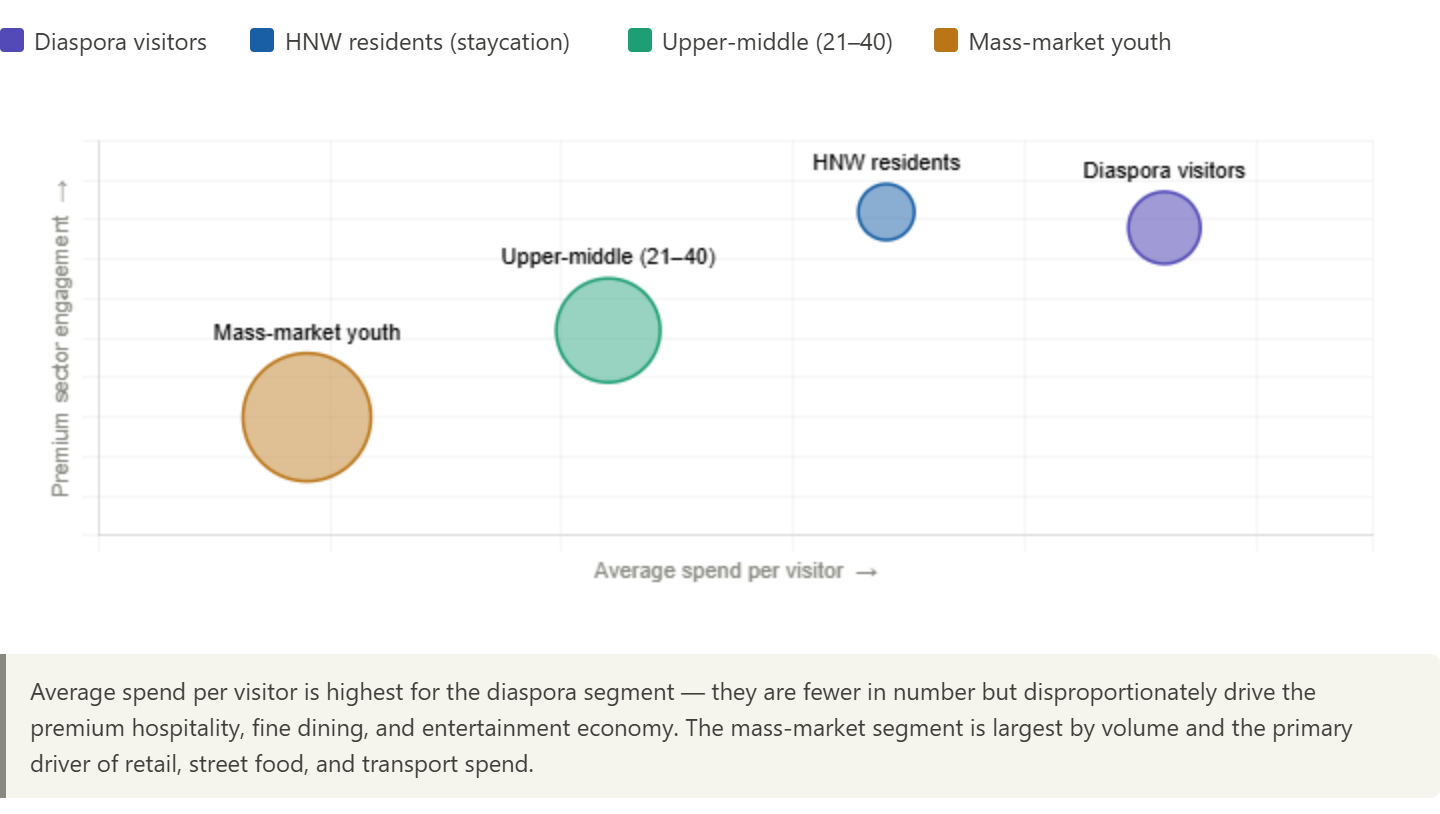
For the organized private sector, particularly in retail, hospitality, and entertainment, the Detty December season offers a unique opportunity to engage with both local and international consumers. The evolving landscape shows that high-end dining, entertainment, and wellness activities accounted for a significant share of spending, with the upscale and fine dining sectors leading the charge. Brands can further capitalize on this by integrating experiential marketing campaigns that align with the festive culture. However, private enterprises should be mindful of the growing demand for decentralized activities, such as those held in beachfront venues and open-air festivals. Strategic partnerships with government bodies to enhance infrastructure and create new, vibrant event spaces will be key to sustaining growth in this sector.
Sustainable Tourism and the Need for Eco-Luxury
One of the emerging trends in the hospitality sector is the demand for eco-luxury experiences. The rising interest in “Digital Detox” retreats and sustainable resorts points to a shift towards more environmentally conscious travel options. This presents an excellent opportunity for developers and investors to cater to the eco-conscious demographic, particularly through the creation of design-led eco-lodges in less commercialized zones. With Lagos positioned as a global tourism destination, creating eco-resorts along the coastal fringes can serve both the demand for luxury and the growing concern for environmental sustainability.
Conclusion: A Sustainable Future for Lagos’ Economic Growth
The 2025 Detty December season has provided a window into the future of Lagos as a dynamic, resilient economic powerhouse. The city’s ability to blend culture with commerce during this period offers a blueprint for other African cities to follow. However, to sustain this momentum, a collaborative effort between the government, private sector, and investors is essential. As the city continues to evolve, strategic investments in infrastructure, hospitality, and tourism must be made to ensure that Lagos remains at the forefront of Africa’s economic and cultural transformation.
The lessons learned from Detty December 2025 are clear: the future lies in decentralized, sustainable growth that balances the needs of both the elite and mass-market consumers. As Lagos gears up for the 2026 season, stakeholders must embrace these insights to unlock the full potential of the city’s festive economy and build a truly sustainable and inclusive future.

Join BusinessDay whatsapp Channel, to stay up to date
Open In Whatsapp