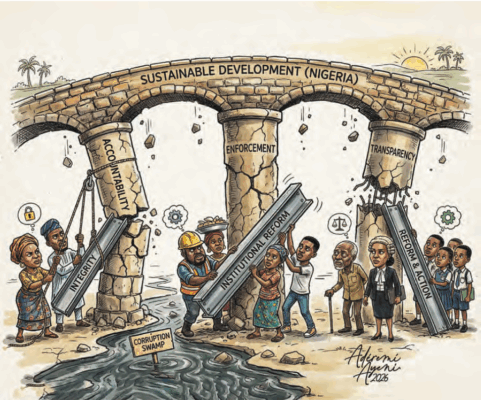
Nigeria’s development crisis is no longer driven primarily by policy failure or institutional weakness, but by the routine normalisation of falsehood and corruption. When dishonesty becomes systemic, governance loses credibility, markets lose efficiency, and citizens lose trust. This erosion cuts across education, public data, elections, business, and everyday state–citizen interaction, constraining productivity and weakening the state’s capacity to plan, deliver, and reform. Left unchecked, it threatens not only economic growth but national co