

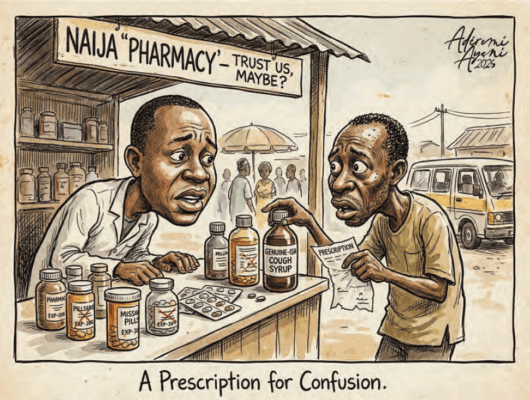
The Nigerian market is increasingly flooded with adulterated products that pose a serious threat to public health and consumer safety. From food items to pharmaceuticals and cosmetics, weak regulation, poor enforcement, and organised profiteering have enabled substandard and dangerous goods to circulate widely. Many Nigerians have suffered adverse reactions, prolonged illnesses, and, in extreme cases, death because they consumed these products.
Food adulteration remains one of the most visible manifestations of this crisis. The circulation of unhealthy, repackaged, and nutritionally depleted food products has long plagued Nigerian markets. In recent times, a market woman was arrested by officials of the Lagos State Environmental Sanitation Corps for mixing contaminated yam flour with harmful colouring agents to make it appear fresh. Traders have also been caught mixing palm oil with Sudan IV dye, a known carcinogen, to enhance colour and volume. Fruits are no longer considered safe either, as calcium carbide is routinely used to force-ripen bananas, mangoes, watermelons, other fruits and vegetables. These practices expose consumers to toxic substances that damage DNA, increase cancer risks, and contribute to malnutrition and chronic illness.
The persistence of food adulteration raises uncomfortable questions. How long will poverty, corruption, and weak food safety systems continue to endanger lives? Adulteration thrives not only because of individual greed but also because of systemic failures that allow inferior and harmful substances to enter supply chains with little consequence.
The sale of adulterated alcohol raises another significant concern. Illicit alcoholic beverages containing toxic substances have caused organ failure, blindness, and death. A prominent example is that of popular music video director ThankGod Omori Jesam popularly known as ‘TG Omori,’ who revealed that “fake drinks” left him hospitalised with severe kidney complications for months, eventually requiring a transplant. His experience underscores the dangers faced daily by less popular victims across the country.
Nigeria’s alcohol market, shaped by inflation and rising taxes, has become fertile ground for counterfeiting. To meet demand for cheaper alternatives, counterfeiters often replace ethanol with methanol, a highly toxic industrial chemical commonly found in paint thinners and windshield washer fluids. Although methanol closely resembles ethanol in appearance and smell, it causes severe health complications including respiratory distress, neurological damage, and blindness. Weak regulation and enforcement allow these products to circulate freely, preying on economically vulnerable consumers.
Perhaps the most alarming impact of adulteration is seen in the pharmaceutical sector. Fake and substandard drugs, many containing little or no active ingredients, undermine treatment and place lives at risk. Nollywood actress Mary Njoku once raised public alarm after a medication she purchased failed to work as prescribed, prompting calls for investigation. Tragically, others are not as fortunate. Music star Eric Arubayi reportedly lost his life after consuming counterfeit malaria medication.
Despite frequent seizures of fake drugs by the National Agency for Food and Drug Administration and Control (NAFDAC), the market for counterfeit medicines remains deeply entrenched. Fake drugs are sold in roadside stalls, online pharmacies, and even licensed outlets. The trade is lucrative, driven by high demand, supply chain manipulation, and weak oversight of Active Pharmaceutical Ingredients. Its consequences include antibiotic resistance, treatment failure, and increased mortality.
Expired drugs are often repackaged for resale, with chemicals used to erase expiry dates and falsify labels. This practice is sometimes linked to importers and distributors seeking to evade inspection, with allegations extending to compromised actors within the pharmaceutical supply chain. These are not isolated acts of desperation, but organised economic crimes sustained by profit and protection.
The cosmetics industry is similarly affected. Many bleaching creams and “organic” skincare products contain harmful substances such as mercury and hydroquinone, that cause skin damage, allergic reactions, and long-term health problems. The absence of proper testing and quality control has enabled unregistered and adulterated cosmetics to flood the market, exposing consumers to avoidable risks.
Regulatory bodies such as NAFDAC and the Standards Organisation of Nigeria (SON) are mandated to protect consumers, and their efforts have yielded some results. However, the scale and persistence of adulteration suggest that enforcement remains inadequate. Adulteration should be treated not as petty wrongdoing but as organised public health and economic sabotage.
Addressing this crisis requires a more forceful and strategic response. Severe punishment must be reserved for kingpins and organisers, not merely small traders at the margins. Large-scale adulteration should attract mandatory prison terms, asset forfeiture, and the closure of implicated businesses. Special fast-track courts for food, drug, and consumer safety offences would signal seriousness and reduce impunity.
Beyond punishment, supply chains must be made transparent. Mandatory product traceability systems, including QR codes or SMS verification for drugs, alcohol, and cosmetics, would empower consumers to verify authenticity. Retailers selling unverified products should face license suspension. Investigations must also target importers, warehouse operators, clearing agents, and raw material suppliers, where adulteration is often orchestrated. Whistleblower protection and incentives are equally crucial. Many insiders are aware of illicit networks but fear retaliation. Guaranteed anonymity and financial rewards could help dismantle entrenched syndicates.
In addressing the economic realities and supporting legitimate local manufacturers, there must be provision for tax relief, access to finance, and streamlined regulation that would reduce dependence on counterfeit goods. Adulteration thrives where safe products are scarce or unaffordable. The proliferation of adulterated products in Nigeria reflects deeper governance and economic failures. Tackling it demands political will, institutional reform, and public vigilance. Nigerian authorities need to confront the power structures behind adulteration to protect citizens and restore trust in the markets.

Join BusinessDay whatsapp Channel, to stay up to date
Open In Whatsapp


