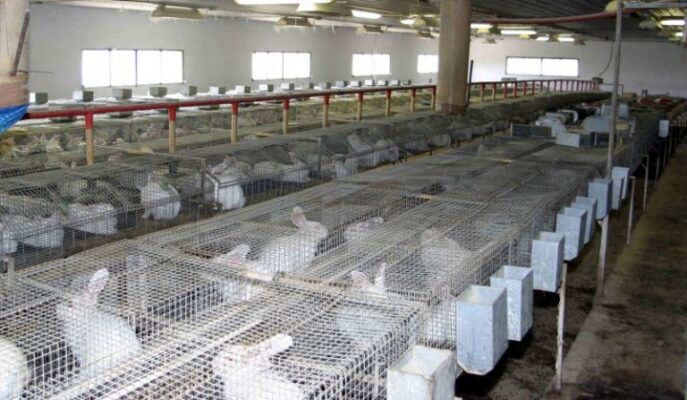
Nigeria faces a widening protein gap and rising urbanisation at a time when traditional livestock production is placing growing stress on land, water and air quality. More than half of Nigerians now live in cities. The World Bank puts Nigeria’s urban population at about 55.03percent in 2024, a shift that is reshaping how food is produced and distributed.
Against this backdrop, rabbit farming, once a marginal agribusiness, is attracting attention in cities as consumers, chefs and entrepreneurs seek healthier, lower-impact sources of meat. The