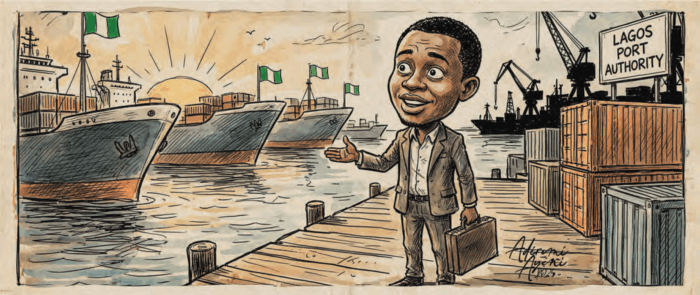
For over two decades, Nigeria’s maritime industry has remained one of the country’s most contradictory economic sectors. Despite its vast coastline, strategic Atlantic location, and large population that should propel indigenous shipping growth, participation and vessel ownership has remained overwhelmingly foreign. Nigerian ports handle billions of dollars’ worth of cargo annually, yet the ships hauling this trade are rarely Nigerian owned. While shipping in many countries functions not merely as a conduit for trade but as a si