…Sani, Atsar, Agbatse weigh in
Controlling party structure and strengthening it by fostering independence requires a multi-pronged approach focused on internal democracy, financial autonomy, ideological cohesion, and legal frameworks that limit the influence of state resources on party machinery.
In Nigeria, there have been crisis across various political parties as to who should control the soul of the party machinery and decide who gets what especially as the 2027 general election approaches. Benue and Rivers States are used as case study in this instance.
BusinessDay sought the views of some notable politicians on the issue.
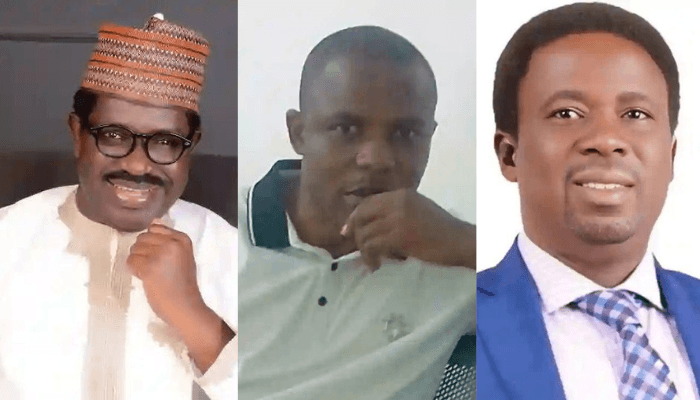
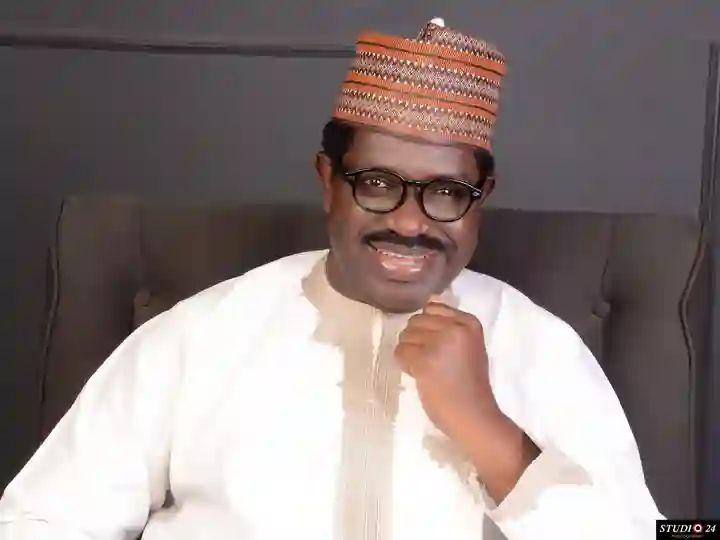
Sani Dawop- national publicity secretary, Action Democratic Party (ADP)
My views are that when we go away from what is the standard laws and practice globally, we get into problems. In the entire world, except when it’s clearly defined, like in the British system, where the leader of the party is also likely to be the prime minister, as it were, the leader of the opposition is also the chairman of the opposition party in the UK. So, if we want to copy what they are doing, but unfortunately, we are practising presidential systems; so, it does not align. That’s where we have a problem. We refused to check our system of government by bringing in other ways and varied systems and we end up confusing the existing system and creating new problems.
Comin g back to your question as to who should control the party structure: During the 1979 democratic era, which is the Third Republic, the party structure was completely controlled by the party hierarchy and the party was clearly supreme. I remember those days, when the NPN was having its national meetings, the meetings were not taken to Dodan Barracks where President Shehu Shagari resided but at the party office and President Shagari had to come to the party, the NPN secretariat, to attend party meetings. There was nothing like taking the party meetings to Dodan Barracks. President Shagari would be sited before the National Chairman of the party, Chief Augustus Meredith Adisa Akinloye arrived last because he was the number one as far as the party was concerned.
Then, you don’t find moneybags hijacking the political parties. Every party member contributes and that’s why there was membership registration, membership subscription and it is from the membership contributions that the party was built and sustained.
Now, the whole thing is reversed. Everything that concerns the running of the party falls on the shoulders of the aspirants. They buy vehicles, rent an office, pay for campaign expenses and every trip. No, it is not supposed to be like that. When the party is supreme, it can detect and decide. We don’t want you and we are not going to vote for you as the candidate in the election. The party was so powerful, the party members too were very influential. But now they too have relegated their own responsibility to few moneybags. So, they come and disorganise and do whatever they like. That’s the unfortunate thing we are seeing. The reality now is that whoever is elected as the highest political office holder becomes the leader of the party at that level.
Well, the important thing is that the party now has to amend their constitution if that is what they want. This concept of party leader came up during the formation of the APC where Bola Ahmed Tinubu has been parading himself as the National leader of the party. It was conflicting with the National Chairman role and the president role. I think at this point in time, they decided that, look Bola Ahmed Tinubu wasn’t holding any party position in APC, so, he should stop parading or calling himself National leader. It got to a point that some meetings he wasn’t even invited even though other stakeholders were invited. But now that he is fully in power, we don’t know whether they are going to amend the APC constitution to make him the leader of the party or whatever they want to do in their own party. That’s their own cup of tea. But I think they should do it properly.
It’s better to separate the party from those in government. This is going to be in the best interest of Nigeria. This is my view and this is how it should be. Any elected person should not be the leader of the party. When you are elected, you should be a leader in government and focus and pay attention to governance and let the party face its own business.
In addition, this concept of the most senior person in government being the leader of his political party creates excessive powers in the hands of those in office. You are a leader in government and at the same time the leader of the party. So, which one are you going to concentrate on? So, separate the two. Go and be leader in government and let the party Chairman be leader of the party at all levels. If it is in state, the chairman should be the state leader, if it is at the national, let the National Chairman be the leader of the party at the national level and same thing at the ward level.
But anybody who is in government, except if you want to recognise and say, the most senior party official from that constituency, will now be the leader of the party in that constituency. That’s good.
For example, I am the National Publicity Secretary of the ADP, I am from Plateau State. So, that makes me the most senior officer of the party from Plateau State. So, I should now be the leader of the party in the state. But that’s still at the party level. But once I am holding an elective office in government, then, I seize to exercise the power of leader of the party. I should go and be leader in the government sector that I am, whether legislature, executive or whatever. So, I think we should define this and separate them.
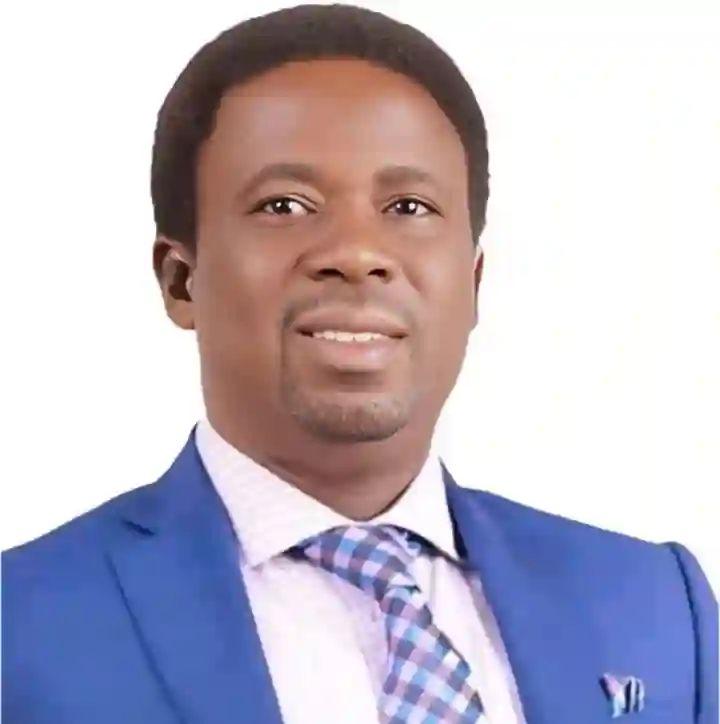
Terver Shirsha Atsar- chieftain of African Democratic Congress (ADC)
The real question is how leadership within a party should emerge. Every political party has a constitution that clearly outlines how leaders are selected at different levels and the criteria required for anyone to assume leadership in any capacity.
However, beyond formal rules, certain individuals naturally emerge as leaders within the party by virtue of their contributions—financially, intellectually, and organisationally. Their ability to mobilise support, provide direction, and influence opinion often positions them as leaders within the party structure at various levels.
Therefore, to answer your question, regardless of how old or mature a democracy becomes, political parties will always have some form of figurehead around whom members and supporters naturally coalesce. From a stakeholder analysis perspective, a political leader is the stakeholder who possesses the highest level of interest and the greatest influence over the affairs of the party to which they belong.
The party structure, on the other hand, refers to the various levels of leadership within the party, usually corresponding with the tiers of government—national, state, local government area, and ward levels.
The party structure typically owes allegiance to the party leader. However, when two or more individuals aspire to that leadership position, different groups within the structure may form alliances behind competing figures, which can lead to divisions within the party.
For this reason, it is generally in the best interest of any political party to have a leader who is widely accepted, undisputed, and capable of fully commanding the loyalty of the party structure.
Theophilus Agbatse- APC member
Political parties in Nigeria should adopt the South Africa and China model of party system to achieve party supremacy instead of handing the supremacy of the party over to some moneybags.
The Communist Party of China (CPC) is a monolithic, 100 plus million-member organisation holding absolute, top to down power over the PRC. Structure flows from the Politburo Standing Committee down to local cells, using “democratic centralism” to ensure uniform compliance. Membership requires rigorous vetting, and the party controls all state functions and top personnel decisions. The 7-person Politburo Standing Committee is the apex of power, led by the General Secretary (currently Xi Jinping). Below them are the 25-member Politburo, the ~200-member Central Committee, and the National Party Congress, which meets every five years.
The governing principle where open discussion is allowed before a decision, but once finalised, strict obedience is expected from all members.
With over 100.3 million members as of early 2026, the CPC represents about 7percent of China’s population, encompassing leadership across governmental, military, and private corporate entities.
Joining the party requires an application process, ideological vetting, and a probationary period, focusing on recruiting loyalists, elites, and professionals. Until we follow China’s pattern, and strengthen our party institutions differently from those elected in government, party rivalry will continue amongst different groups and individual alignment.

Join BusinessDay whatsapp Channel, to stay up to date
Open In Whatsapp