The battle for the 2027 Governorship in Nasarawa State is steadily gathering momentum, with key political actors positioning themselves amid a complex mix of zoning arrangements, personal influence, and grassroots mobilisation.

Since the return to democracy in 1999, politics in Nasarawa State has largely revolved around power balancing among its three Senatorial Districts—North, South, and West. This informal zoning principle, though not legally binding, has become a powerful determinant in deciding who emerges governor.

Over the years, this delicate arrangement has helped to manage ethnic diversity and political competition in the state, ensuring that no single bloc dominates power for too long.

The current governor, Abdullahi Sule, is from the Northern zone, and by prevailing political calculations, power is expected to shift to the Western zone in 2027. This expectation is already shaping alignments within the ruling All Progressives Congress (APC).

Within the APC and beyond, stakeholders are increasingly emphasising the need to respect zoning in order to preserve political stability and party cohesion ahead of the next electoral cycle.

One of the prominent figures in the unfolding race is Mohammed Adamu, a former Inspector General of Police. Despite lacking a traditional political background, Adamu has built significant grassroots support through medical outreach programmes, distribution of food items, and financial assistance to vulnerable groups.

His campaign style has resonated with many at the grassroots level, particularly women and underserved communities who see his interventions as timely and impactful.

His perceived closeness to the Presidency and strategic alliances within the APC have further strengthened his position. There are also speculations that his ambition enjoys the backing of former governor Umaru Tanko Al-Makura, a key powerbroker in the State.

Such backing, if consolidated, could provide him with a formidable political structure capable of competing across multiple zones.

However, Adamu’s aspiration faces a major hurdle in the zoning arrangement, as he hails from Lafia in the Southern zone. Additionally, critics describe him as aloof and overly regimented, traits that may limit his political reach.

Some stakeholders have also expressed concerns that his emergence could disrupt the delicate zoning balance that has held the state together politically.

Another strong contender is Aliyu Wadada, the current Senator representing Nasarawa West Senatorial District, who enjoys considerable popularity within his zone and is also believed to be close to the Presidency.

While zoning appears to favour him, concerns about his temperament and alleged strained relationship with elders in his Constituency may weaken his chances.

Political observers note that local acceptance remains a critical factor, especially in a race where consensus-building is key.

Abubakar Nalaraba, a younger aspirant, is banking on his vibrancy and ties to Al-Makura. Yet, his influence remains largely confined to Lafia and may be constrained by zoning realities.

His candidacy reflects a growing desire among younger politicians to break into the State’s power structure.

Haruna Kugbu is drawing support from the Eggon ethnic group, one of the largest in the State. However, internal competition among Eggon aspirants and his relatively low popularity within that bloc could undermine his bid. Ethnic solidarity, while important, may not be sufficient without broader statewide appeal.

Faisal Shuaibu, another aspirant, is considered financially strong and benefits from zoning dynamics. Nonetheless, questions about his local acceptance and perceived outsider status pose significant challenges. These perceptions, analysts say, could limit his ability to mobilise grassroots support effectively.

Mohammed Sani Haruna, a Professor and former Boss of the National Agency for Science and Engineering Infrastructure (NASENI), brings experience and resources to the table. However, his limited political base and low grassroots appeal remain concerns.

His profile as a technocrat may appeal to some, but elections in the state often require deeper political structures.

David Umbugadu commands loyalty among Eggon supporters and has a reputation as a generous figure. Yet, his past opposition to the APC may create trust issues among party stakeholders. This perceived inconsistency could prove decisive in intra-party negotiations.

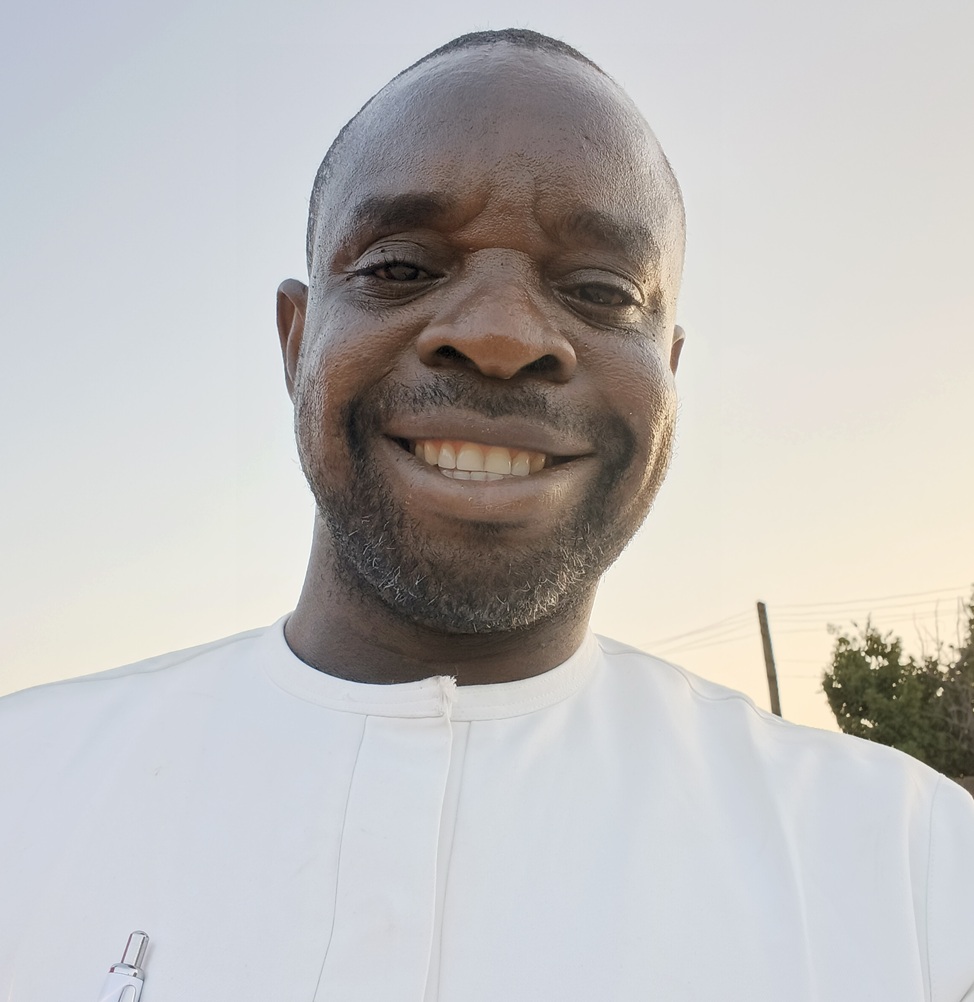
Amid these shifting dynamics, attention is increasingly turning to a figure who has yet to formally declare his ambition—Musa Ahmed Mohammed, PhD, popularly called Barade, emerging as a consensus-friendly aspirant.

With zoning favouring his zone and local government, as well as his strong ties to traditional institutions in the State. He is seen as a stabilising figure. His calm disposition further boost his profile, though his financial limitations could be a setback.

His respectful engagement with stakeholders and traditional rulers has continued to earn him quiet but steady backing across different blocs.

A seasoned technocrat and politician, Musa Mohammed, served as Speaker of the Nasarawa State House of Assembly from 2007 to 2015, after resigning from the services of the Federal Capital Territory (FCT). His tenure as Speaker is widely regarded as one of stability and legislative productivity.

During his time in the Assembly, he was credited with fostering cooperation between the legislature and executive, a quality many believe is critical for governance.

Currently serving as Accountant-General under Governor Sule, Mohammed is credited with strengthening fiscal discipline and transparency in the state’s financial system.

His stewardship in managing public finances has drawn commendation from both political actors and civil servants.

Beyond public service, he is also an accomplished scholar and author, with several books to his name, further underscoring his intellectual depth and leadership capacity.

This combination of administrative experience and intellectual grounding has positioned him as a unique figure in the race.

Political observers note that his experience across both legislative and executive arms gives him a rare advantage in navigating governance complexities.

They argue that such a background is essential for sustaining development and managing competing interests in the state.

Despite maintaining a low profile, there are growing reports that millions of individuals and groups across the state are mounting pressure on him to join the race.

These calls are said to be coming from across the three senatorial zones, reflecting his broad acceptability.

Supporters argue that his calm disposition, administrative competence, and broad acceptability across zones position him as a unifying candidate in an increasingly fragmented political landscape.

“All the aspirants are qualified, but Barade’s humility and respect for people distinguish him, and many believe he will follow the footsteps of Governor Sule,” a stakeholder said.

Another stakeholder added, “Barade relates with everyone with dignity and calmness, and that is why many see him as someone who will sustain stability and continuity in governance.”

Unlike many aspirants already engaged in open campaigns, Mohammed has so far adopted a cautious approach.

Sources close to him reveal that he is currently focused on his responsibilities as Accountant-General and has consistently stated that he will consult widely before making any political decision.

Insiders say his approach reflects discipline and a deep understanding of political timing.

This measured posture is being interpreted by analysts as a sign of political maturity and discipline, qualities seen as essential for leadership in the state.

As the 2027 race gradually intensifies, the interplay between zoning, personality, and political alliances will remain decisive.

Stakeholders believe that consensus building may ultimately determine the APC’s candidate.

While declared aspirants continue to test their strength, the potential entry of Musa Ahmed Mohammed could significantly alter the equation.

For many stakeholders, he represents a bridge between experience, competence, and acceptability—qualities that may ultimately define the next phase of leadership in Nasarawa State.

Whether he yields to mounting calls to contest or remains in his current role, one thing is clear: his name has become central to conversations about the future of the State.

The coming months will reveal whether the quiet strategist steps into the arena or continues to influence events from behind the scenes.

Nathaniel E. Gbaoron is the Plateau State correspondent for BusinessDay and a seasoned journalist with a decade of experience covering sub-national affairs across Taraba, Adamawa, Nasarawa, Benue, Plateau, and other states. He holds both National Diploma (ND) and Higher National Diploma (HND) in Mass Communication from Fidel Polytechnic, Gboko. Over the years, he has participated in numerous media trainings and workshops spanning various areas of reporting, strengthening his expertise in economic and political reporting, community-level governance, development stories, and conflict-sensitive journalism. He is a member of Correspondent Chapel in Plateau state, a member of the Nigeria Union of Journalists (NUJ), he is also a Rotarian and a member of Plateau Club 1921.

Join BusinessDay whatsapp Channel, to stay up to date

Open In Whatsapp