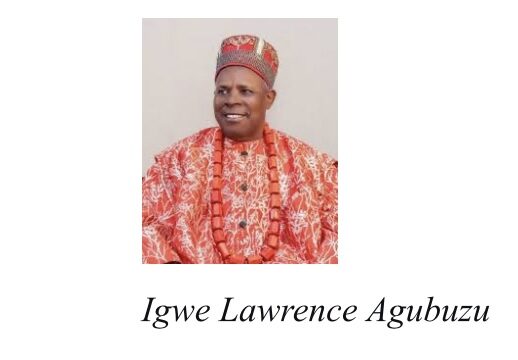
1. The Significance of Igwe Lawrence Agubuzu’s Call for the Release of Nnamdi Kanu
Igwe Lawrence Agubuzu’s public appeal to President Bola Tinubu for the release of Mazi Nnamdi Kanu marks a crucial moment in the national debate. Its great importance lies in its ability to break a long-standing, fearful silence; to reframe a contentious political detention as a core issue of national justice; and to showcase a rare kind of moral leadership that deeply resonates across the Southeast and beyond.
Context and Act of Bravery
At a health summit at the Presidential Villa in Abuja, Igwe Agubuzu transformed what could have been a routine diplomatic courtesy into a powerful act of advocacy. By choosing to address the nation’s leader with an uncomfortable truth rather than diplomatic pleasantries, he performed what many observers have lauded as a modern-day re-enactment of the historic Igbo warrior ethos—standing firm in the face of power to speak truth to authority. The video of his address has since gone viral, continually replayed and shared across WhatsApp, X (formerly Twitter), and Instagram by Igbo communities both at home and in the Diaspora.
Key Arguments and Their Resonance
His intervention was not merely a plea but a strategically framed argument built on several compelling pillars:
• A Clear Path Forward: By urging the President to “release him unconditionally or send him back to Kenya,” Agubuzu shifted the conversation from a deadlocked debate over if to act, to a practical discussion on how to act. This clarity cut through years of political and legal inertia.
• A Call for Equity and Fairness: His most compelling point was a direct comparison with Sunday Igboho, a Yoruba activist facing similar charges. By questioning why Igboho is free and being considered for a chieftaincy title while Nnamdi Kanu remains in detention, Agubuzu reframed the issue. It was no longer just a secessionist debate, but a fundamental question of equal justice under the law. This powerful parallel has heightened feelings of regional injustice and become a rallying cry for many.
• Amplifying Grassroots Sentiment: His words gave a powerful voice to the palpable frustration and sense of systemic marginalisation felt by the people of the Southeast, particularly the youth. He articulated a sentiment long held at the grassroots level, compelling the political class to take notice.
The Weight of the Messenger
The credibility of the message depends heavily on the messenger. His Majesty Igwe, Ambassador Dr. Lawrence Okolio Chikezie Agubuzu, is not just a traditional ruler; he is a renowned statesman. His impressive career includes serving as Nigeria’s Ambassador to the UN and Deputy Permanent Representative (1989-1991), High Commissioner to Zambia and Malawi (1991-1999), and Assistant Secretary-General of the OAU/AU (1999-2003). Since 2006, he has been the Traditional Ruler of Ezema Olo Kingdom in Enugu State. This rare combination of diplomatic stature and traditional authority gives his intervention significant weight, transforming a regional grievance into a national matter of justice and fairness.
2. Controversy Surrounding the Appointment of Tunde Disu as Acting Inspector General of Police
The appointment of Olatunji Disu as the Acting Inspector-General of Police (IGP) has ignited a firestorm of controversy, extending far beyond the widely discussed bypassing of Deputy Inspector-General (DIG) Frank Mba. At the core of the dispute lies a confluence of issues—tenure instability, hierarchical disruption, and deep-seated perceptions of ethnic marginalisation—that threaten the integrity and stability of the Nigeria Police Force.
Primary Issues and Underlying Tensions
• Critically Short Tenure and Risk of Instability: The most urgent concern is IGP Disu’s upcoming mandatory retirement age of 60 on 13 April 2026. A tenure of just over two months poses a high risk of immediate leadership turnover, fostering instability at the top. It also raises the spectre of another controversial tenure extension, similar to the one granted to his predecessor, Kayode Egbetokun, which was a persistent source of criticism.
• Mass Displacement of Senior Leadership: To establish a clear chain of command, a large number of senior officers who outrank or have longer service than the new IGP are expected to face early retirement. Reports indicate this could affect up to 8 Deputy Inspectors-General (DIGs) and 23 Assistant Inspectors-General (AIGs). Such a widespread departure risks creating a severe leadership vacuum and disrupting critical, ongoing operations across the force.
• The Frank Mba Question: Merit vs. Seniority: The forced retirement of DIG Frank Mba, a widely respected and capable officer, is the emotional heart of the controversy. While the official hierarchy is explained by their entry points (Disu as a Cadet ASP, Mba as a Cadet Inspector), critics argue that this convention unfairly sidelines proven merit. Mba’s distinguished service, including three terms as Force Public Relations Officer and a certificate from Harvard University, makes his bypass a powerful symbol of a system that values pedigree over performance.
• Perceptions of Ethnic Marginalisation: The decision has strongly rekindled accusations of ethnic marginalisation against the Igbo community of the South-East, which DIG Mba represents. The fact that this appointment would be the second consecutive IGP from the South-West (President Tinubu’s home region) has sparked widespread criticism that the Federal Character principle is being deliberately undermined, eroding confidence in the institution’s impartiality.
• Accusations of Institutional Manipulation: Critics note a recurring pattern where institutional rules are manipulated to favour preferred candidates. This appointment follows the controversial extension of IGP Egbetokun’s tenure, achieved through an amendment to the Police Act. The current situation, where an IGP with little time remaining prompts the departure of many senior officers, is widely seen as a continuation of this trend, further undermining the rule of law and the integrity of the police institution.
List of DIGs Likely Affected by the Shake-up
According to police tradition, the appointment is expected to trigger the retirement of all DIGs senior to IGP Disu to ensure a clear command structure. This list includes, but is not limited to:
• Frank Mba (Training and Development): Appointed in 2023. His potential exit is the main focus of the controversy.
• Yahaya S. Abubakar (Finance and Administration): Appointed in 2024.
• Sadiq Idris Abubakar (Force Criminal Investigation Department): Appointed in 2025; Cadet ASP since 1992.
• Bzigu Yakubu Kwazi (Operations): Appointed in 2025; has extensive field experience as a former Commissioner of Police.
• Adebola Ayinde Hamzat (Logistics and Supply): Appointed in March 2025; previously AIG Zone 16.
• Basil O. Idegwu (Research and Planning): Appointed in March 2025; holds a PhD in Peace and Security Studies.
• Adebowale Williams (ICT): Oversees the Force’s technological infrastructure.
• Mohammed Adamu Dankwara (Finance): Appointed 2025.
• Mohammed Gumel (Force Intelligence Department): Assumed duty in late 2025/early 2026.
• Funsho Adegboye: Appointed January 2026.
• Fayoade Adegoke Mustapha: Appointed February 2026.

3. Issues Trending on Nigerian Social Media
As of late February 2026, Nigerian social media is largely dominated by controversies over celebrity actions, the integration of AI into daily life, and ongoing economic and security issues.
Here are the top trending issues on Nigerian social media:
1. Celebrity & Entertainment Controversies
• Simi’s Resurfaced Tweets: Singer Simi is trending following backlash over her tweets from 2012, which resurfaced after she made strong statements regarding a recent sexual assault case involving a TikToker. The incident has sparked a wider debate about online accountability and victim-blaming.
• Speed Darlington (Akpi): Rapper Speed Darlington is generating significant conversation on X following his provocative reaction to Nigeria’s performance at the 2026 Grammy Awards.
• 2Baba and Annie Idibia Saga: Ongoing speculation and public discussions about the marriage of music legend 2Baba and actress Annie Macaulay-Idibia continue to generate high engagement, with fans deeply divided in their opinions.
• Labubu Doll Craze: The surge in popularity of Labubu dolls has sparked intense debate, with some users and religious groups labelling them “demonic” while others defend them as harmless collectables.
2. The Rise of AI Misinformation and Scams
• AI-Generated Deepfakes: Scammers are increasingly utilising advanced AI to produce fake videos of well-known Nigerian figures to promote fraudulent investment schemes. Notably, in early 2026, fake videos featuring Ibukun Awosika and Ngozi Okonjo-Iweala were widely exposed as fakes.
• Fake Giveaways and Relief Packages: Amid ongoing economic difficulties, scams offering fake online giveaways and fraudulent “government relief packages” are widespread, with scammers impersonating notable figures like Aliko Dangote and various politicians.
• Cloned bank accounts on X: scammers are setting up cloned customer support profiles on X to intercept and trick users seeking help.
3. Economic and Social Issues
• Economic hardship and “Get-Rich-Quick” schemes: Discussions about rising costs and financial struggles are ongoing, often encouraging the spread of fraudulent investments and Ponzi schemes (such as the 2025 Crypto Bridge Exchange loss).
• Digital Fraud: Following the Nigeria Inter-Bank Settlement System’s report of widespread digital payment fraud, cybersecurity has become a key subject of debate and concern.
• Social Media Addiction: There is increasing concern about excessive screen time among young Nigerians, with debates over the health and productivity impacts of social media use.
4. Politics and Security
• 2027 Election Manoeuvring: Despite 2026 being a non-election year, early political manoeuvring for 2027 is gaining momentum, with consistent reports of potential collaborations between major parties (APC and PDP) to challenge incumbent governors.
• Insecurity and Kidnappings: Ongoing discussions about the security situation, especially school abductions, continue to be a serious and sombre topic on social media.
5. Content Creator Safety and Accountability
• Peller’s Livestream Incident: The emotional and chaotic live-stream event involving content creator Peller sparked heated debate about the mental health of creators, the pressures of sudden fame, and the responsibilities of influencers towards their audience.
• DJ Chicken’s Dangerous Driving: Repeated, risky driving incidents captured on video by DJ Chicken have sparked widespread demands for greater accountability from influencers who endanger the public.
Summary of Platform Trends
• X (Twitter): The primary hub for politics, breaking news, and intense celebrity debates (e.g., #Simi).
• TikTok: The epicentre for skits, viral challenges, and content creator drama (e.g., #Peller, #Labubu).
• WhatsApp: A key channel for forwarded messages (often a vector for misinformation), community-based organisation, and, increasingly, sophisticated scams.

Join BusinessDay whatsapp Channel, to stay up to date
Open In Whatsapp