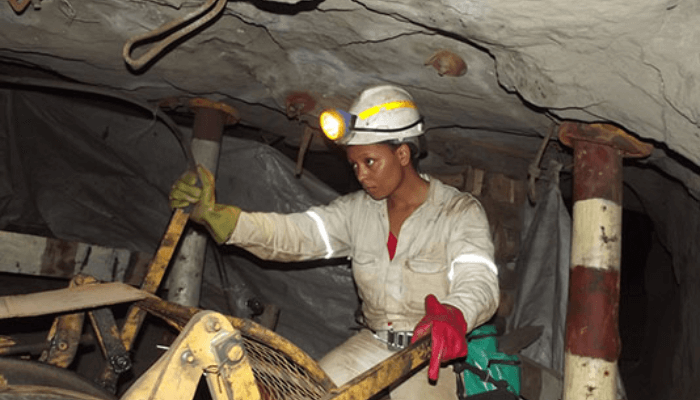
Women in Mining, Africa (WiM-AFRICA), at the weekend, marked the Silent 15 of Bilalikoto, an annual continental day of remembrance dedicated to women who lost their lives in mining accidents across Africa, with special focus on artisanal and small-scale mining.

The observance commemorates the deaths of more than 48 artisanal miners, most of them women, who were killed in a mine collapse in Bilalikoto, Mali, on February 15, 2025.

The victims were working to support their families when the tragedy occurred. Their deaths, WiM-AFRICA said, reflect a broader and recurring pattern of preventable mining disasters affecting women across the continent.

Similar incidents have been recorded in several African countries. In Obuasi, Ghana, dozens of artisanal miners died in mine collapses linked to unsafe underground workings.

In the Democratic Republic of the Congo, repeated collapses at artisanal cobalt and copper sites in Katanga claimed many lives, including women working informally.

In Zimbabwe, mine collapses in Gwanda and Mashonaland West resulted in multiple fatalities among informal miners. In Nigeria, incidents in Zamfara, Niger, and Benue states exposed major gaps in mine safety oversight.

In Kenya, recent gold mine collapses in Siaya County killed women miners, further underlining the regional scale of the crisis.

WiM-AFRICA described Silent 15 of Bilalikoto not only as a memorial but as a call for urgent and coordinated action to address systemic failures in mining safety, formalization, and accountability.

The group noted that women in artisanal and small-scale mining often operate in hazardous conditions outside legal frameworks. Many lack training, protective equipment, emergency response systems, and social protection.

The organisation stressed that the deaths were not isolated accidents but symptoms of deeper structural challenges. These include weak enforcement of safety regulations, limited investment in the formalisation of artisanal mining, absence of gender-responsive mining policies, and opaque mineral supply chains that disconnect buyers from conditions at mine sites.

WiM-AFRICA urged the African Union institutions, national and local governments, mining companies, mineral buyers, development partners, and civil society groups to prioritize safety as a central pillar of mining governance.

Key demands include formalising artisanal mining, enforcing safety standards, ensuring compensation for families of deceased miners in line with international practice, strengthening traceability and accountability, and integrating women into decision-making processes across the sector.

The group warned that as Africa positions itself as a major supplier of critical minerals for global development and the energy transition, the human cost of extraction must not be ignored. It stressed that the future of Africa’s mining sector must be built on safety, dignity, and justice for those who work within it.

Silent 15 of Bilalikoto, observed every February 15, stands as a continental reminder that remembrance must translate into reform, and that mining development must not come at the expense of women’s lives.

Ruth Tene, Assistant Editor, Agric/Solid Minerals/INEC Ruth Tene is an award-winning journalist with over 15 years experience in developmental reporting across several newsrooms, as a reporter, editor and other managerial roles. She holds a Postgraduate Diploma in Journalism from the University of Maiduguri among several other certifications She has attended several trainings and certifications both locally and internationally and has been recognized for her impactful work in humanitarian reporting, receiving the Gold Award for Humanitarian Services from the Amazing Grace Foundation. She is also a recipient of the Home Alliance Fellowship, reflecting her commitment to fostering a more humane, safer and more sustainable planet. An active member of professional journalism bodies, Ruth is affiliated with the Nigeria Union of Journalists (NUJ), the National Association of Women Journalists (NAWOJ), and the Agricultural Correspondents Association of Nigeria (ACAN), where she continues to advocate for excellence, ethical reporting, and development-focused journalism.

Join BusinessDay whatsapp Channel, to stay up to date

Open In Whatsapp