As the race for 2027 begins to take shape, Peter Obi is staking a bold claim, promising to unlock Northern Nigeria’s vast agricultural wealth and turn it into the country’s new economic engine.
Obi declared that no other potential contender for the 2027 presidential election can match his plans for Northern Nigeria, positioning the region as central to his economic vision and political strategy.
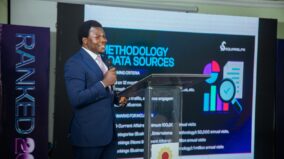
Speaking on Arise TV on Monday, the former Anambra State governor said the North holds Nigeria’s greatest untapped potential and could surpass oil as the country’s main revenue source if properly developed. He outlined a strategy anchored on agriculture, improved security, and grassroots investment, arguing that these sectors could unlock widespread prosperity.
“Nobody can do what I intend to do in the North. We will change the North. Our greatest asset as a country is in the North. We can make more money from agriculture than we make from oil,” Obi said.
He pushed back against the notion that his chances in the region depend on endorsements from influential northern political figures, insisting that real electoral success lies in addressing the everyday challenges faced by ordinary people.
According to Obi, Northern Nigeria has long been mischaracterised as an economic burden, when in reality it represents a vast but underutilised resource base. He argued that targeted investment in agriculture could not only create jobs but also reduce poverty and boost national revenue.
Obi emphasised that security remains the foundation for any meaningful development, particularly in the North where insecurity has disrupted farming and economic activities. “You cannot achieve development without first ensuring security,” he said, stressing that restoring safety would be his administration’s first priority.
Beyond economic reforms, Obi framed Nigeria’s broader challenge as a leadership failure, criticising the tendency of political actors to exploit ethnic and religious divisions. He called for a new kind of leadership that prioritises unity and national development over identity politics.
“We need leaders who will unite us as a country. Religion and tribe should not define our future,” he said.
The former governor also said his policy approach is informed by international exposure, noting that he has studied development models in other countries that could be adapted to Nigeria’s context. While he did not name specific countries, he maintained that proven strategies in agriculture, education, and healthcare could be replicated locally with the right political will.
On the question of political alliances, Obi acknowledged the importance of collaboration but dismissed the idea that a handful of influential figures could determine electoral outcomes in the North. He specifically addressed whether he would rely on support from politicians such as Nasir El-Rufai and Rabiu Musa Kwankwaso.
“I will work with them so they can support the process, but Nigeria is bigger than individuals,” he said.
Obi argued that winning the North requires direct engagement with the region’s pressing issues, including poverty, limited access to education and healthcare, and widespread insecurity. He said addressing these challenges would resonate more with voters than elite political endorsements.
“If we want to secure the North, we must invest in agriculture, reduce poverty, and improve education and healthcare,” he said.
He also used the opportunity to call for stronger democratic institutions, urging the government to support rather than suppress opposition voices. According to him, a functional opposition is critical to ensuring accountability and good governance.
“The government should protect the opposition. In fact, they should make opposition stronger and make it work,” Obi said.
His remarks come as early political positioning intensifies ahead of the 2027 elections, with contenders beginning to outline their visions for key regions across the country.
Join BusinessDay whatsapp Channel, to stay up to date
Open In Whatsapp