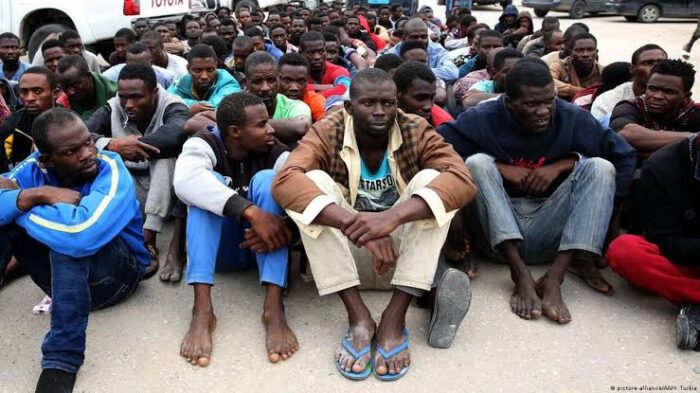
Nigeria recorded a 21 per cent increase in newly arrived asylum seekers in the first quarter of 2026, even as the country’s overall refugee and asylum-seeker population declined, according to data released by the United Nations High Commissioner for Refugees (UNHCR).

The report, compiled in collaboration with the National Commission for Refugees, Migrants and Internally Displaced Persons (NCFRMI), showed that 322 additional asylum seekers entered Nigeria between January and March 2026.

Despite the uptick in new arrivals, Nigeria’s total refugee and asylum-seeker population fell from 142,064 in December 2025 to 138,900 by March 2026, a reduction of 3,164 individuals.

The decline was largely attributed to a major clearance of unregistered persons.

Read Also: Mali defence minister Sadio Camara killed in major militant assault near Capital

According to the report, during the period under review, authorities processed and removed 3,613 individuals from the backlog of pending registrations.

Similarly, the number of individuals awaiting registration dropped sharply from 16,672 in December to 13,059 by March.

However, the number of asylum seekers awaiting status determination rose steadily, increasing from 1,528 to 1,850 within the same period.

“The protracted conflict in Cameroon’s Anglophone regions continues to fuel refugee inflows into Nigeria.

“As of March 2026, Cameroonian nationals accounted for 119,641 individuals, approximately 86 per cent of the total refugee population.

“The crisis, now entering its ninth year, has displaced hundreds of thousands internally and left millions in need of humanitarian assistance, with many seeking refuge in Nigeria’s border communities.

“Refugees are predominantly concentrated in frontline states, with Cross River hosting the largest population at 46,713, followed by Adamawa (44,682), Taraba (15,555), Benue (8,872) and Akwa Ibom (1,907),” the report said.

It also noted that refugees from the Niger Republic represent the second-largest group in Nigeria, although their numbers declined significantly during the quarter, from 17,104 in December to 13,449 in March.

The reduction is linked to ongoing voluntary repatriation programmes coordinated by UNHCR and Nigerian authorities, enabling displaced persons to return home under monitored conditions.

“Other nationalities present in Nigeria’s refugee population include individuals from Syria (1,706), Sudan (1,274) and the Central African Republic (1,036).

“Overall, the number of represented nationalities increased from 45 to 47 within the reporting period, reflecting Nigeria’s diverse asylum landscape,” it added.

Demographic data showed that women constitute 57 per cent of the refugee population, while men account for 43 per cent.

“Children under the age of 17 make up about half of the total population, underscoring the humanitarian dimension of the crisis.

“Elderly persons aged 60 and above represent approximately five per cent.

“Only 20,423 refugees were residing in formal settlements as of March 2026, with the majority integrated into host communities across border states. Smaller populations are also found in urban centres such as Lagos, Abuja and Kano.”

Nigeria continues to operate a multi-agency refugee response framework led by NCFRMI, UNHCR and humanitarian partners.

As part of its humanitarian commitment, the Federal Government has granted Temporary Protection Status to about 86,000 Cameroonian refugees. The policy allows beneficiaries to remain legally in Nigeria without undergoing full refugee status determination procedures until June 2027.

Reacting to the latest figures, Ogbole Amedu-Ode, former Nigerian Ambassador to Singapore, urged authorities to maintain a careful balance between humanitarian responsibilities and national security.

While commending Nigeria’s adherence to international refugee conventions, he warned that security agencies must remain vigilant to prevent possible infiltration by individuals with malicious intent.

Join BusinessDay whatsapp Channel, to stay up to date

Open In Whatsapp