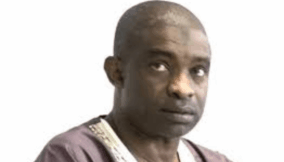
The Nigerian Correctional Service (NCoS) has pledged reforms following the submission of the final report of an independent investigative panel that probed allegations of corruption, abuse of power, torture, and other inhumane treatment within the system.
This came to the fore on Tuesday in Abuja at the Stakeholders’ Engagement on the Final Report of the Independent Investigative Panel on Alleged Corruption, Abuse of Power, Torture, Cruel, Inhumane and Degrading Treatment Against the Nigerian Correctional Service
Sylvester Nwakuche, Controller-General of Corrections, said the exercise marked a critical moment of “reckoning” for the Service, stressing that the outcome would shape a concrete and measurable reform agenda.
The investigative panel, set up by Olubunmi Tunji-Ojo, Minister of Interior, was tasked with examining long-standing allegations of misconduct within custodial centres across the country.
Nwakuche described the establishment of the panel as an act of accountability rather than condemnation, noting that rebuilding public trust requires transparency and a willingness to confront institutional shortcomings.
“The findings of this Panel, wherever they are difficult to confront, must be confronted. Not because the Service is defined by its failures, but because it must be measured by its response to them”, he said.
He emphasised that the engagement was not merely ceremonial but intended to drive meaningful change within the correctional system.
According to him, deliberations from the session would form the basis of a reform programme that is “specific, time-bound, and measurable.”
The Controller-General reiterated the core mandate of the Service, which extends beyond incarceration to rehabilitation, reintegration, and preservation of inmates’ dignity.
He stressed that individuals in custody do not lose their fundamental rights, underscoring the need for humane treatment at all times.
While acknowledging the allegations outlined in the panel’s report, Nwakuche defended the integrity of the majority of correctional officers, describing them as professionals who work under difficult conditions.
“The misdeeds of some must not be permitted to eclipse the honour of the many,” he said, adding that the accountability process would also help protect officers who serve with integrity.
He called on stakeholders, including civil society organisations, government agencies, and oversight bodies, to engage with candour and commitment, noting that collective action would be required to translate the panel’s findings into tangible reforms.
“The path from assessment to action is not a long one, but it requires the will to walk it,” Nwakuche said, pledging the Service’s readiness to implement necessary changes.

Join BusinessDay whatsapp Channel, to stay up to date
Open In Whatsapp