… Says AI surveillance fails to address Plateau crisis
…Calls for review of inquiry reports, boosting of community engagement
The State House’s explanation of President Bola Tinubu’s decision to address victims of the Plateau attacks at the airport instead of visiting the affected community has sparked renewed concerns over the worsening security situation in the state.
President Bola Tinubu visited Jos following the killing of 28 persons in recent attacks, where he addressed victims, community leaders, and stakeholders at the airport. He expressed deep sympathy over the loss of lives and condemned the violence, assuring residents that his administration remains committed to restoring peace and preventing further bloodshed in the state.
The President also promised to strengthen security operations through the deployment of advanced surveillance technology, including AI-enabled cameras, and directed security agencies to intensify intelligence gathering and ensure perpetrators are brought to justice. He further pledged federal support for affected communities and called for unity among residents as part of broader efforts to address the recurring crisis.
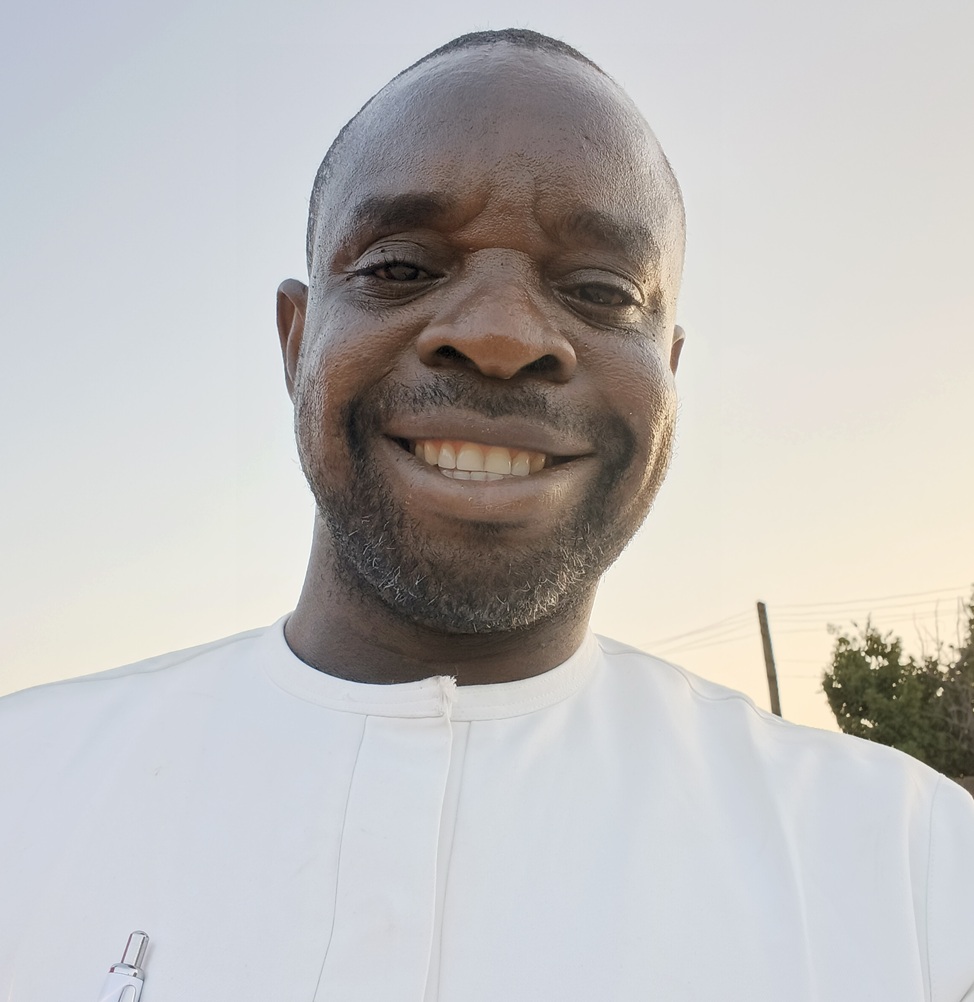
Reacting to the visit in an exclusive interview with BusinessDay on Monday in Jos, Choji Pwakim, Founder of Youth Initiative Against Violence and Human Rights Abuse (YIAVHA), described the decision as raising deeper questions about the realities of insecurity confronting both leaders and citizens.
Pwakim said, “If logistical limitations prevented night operations, was it impossible for the President to spend the night in Jos and visit the affected community the following day, or does this situation itself reflect the level of insecurity confronting the state?”
He added, “The fact that security and logistical considerations prevented the Commander-in-Chief from visiting the attack site highlights the harsh reality faced daily by ordinary citizens who live under these same conditions without protection”.
He noted that while the Governor of Plateau State reportedly visited the affected area in an armoured vehicle, the President’s inability to do the same risks reinforcing public anxiety rather than restoring confidence in government authority.
Pwakim emphasised that although the President’s presence would not have reversed the loss of lives, it would have demonstrated empathy and reassured grieving communities that they are not abandoned in their time of pain.
He further argued that bringing selected victims to the airport for engagement could deepen trauma among survivors, stressing that healing requires collective inclusion rather than selective recognition.
According to him, the promise of deploying AI-enabled surveillance cameras fails to address the root causes of the Plateau crisis, which he described as political, social, and historical, requiring justice and credible security responses.
The founder also called for a review of past commission of inquiry reports and urged authorities to prioritise direct community engagement, warning that sustained inaction could push affected communities toward self-help in the absence of visible protection.
Join BusinessDay whatsapp Channel, to stay up to date
Open In Whatsapp