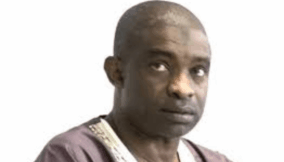
About 28% of investments in Nigeria’s ongoing bank recapitalisation programme comes from foreign sources, Olayemi Cardoso, Governor of the Central Bank of Nigeria (CBN) has said, underscoring renewed investor confidence as the Country’s financial reforms begin to take hold.
Speaking at the Africa Capital Forum in London on Tuesday on the sidelines of President Bola Ahmed Tinubu’s state visit to the United Kingdom, Cardoso said the inflows reflect growing trust in Nigeria’s financial system and broader economic direction.
The governor noted that more than 30 banks had already met the new capital requirements, with regulatory verification still ongoing for others. He said the level of foreign participation signals confidence in the stability and transparency of Nigeria’s banking sector following a series of reforms implemented by the Central Bank of Nigeria.
Cardoso said the reforms had strengthened the Country’s ability to withstand external shocks while restoring credibility among global investors and development partners. According to him, policy discipline and institutional changes have helped build a more resilient financial system capable of supporting sustained economic growth.
He pointed to improvements in the foreign exchange market, where increased transparency and liquidity have been driven by a new FX framework that removes several legacy capital controls and simplifies trade and investment processes.
The CBN is also finalising a new Payments System Vision for Nigeria, which he said will position the country as a regional hub for digital and cross-border payments, further enhancing financial integration across Africa.
Cardoso added that diaspora remittances had risen significantly, providing an additional and more stable source of foreign exchange inflows, helping to diversify reserves and reduce vulnerability to global market volatility.
“Our focus going forward is to protect the hard-earned stability we have accomplished so investors and stakeholders can plan with confidence,” he said.
He pledged that the Central Bank would maintain a commitment to transparency, consistent communication and stronger institutional credibility, while raising policy standards to avoid past missteps.
On digital finance, Cardoso said the apex bank is working closely with fintech companies to remove regulatory and operational constraints, enabling innovation that supports financial inclusion and expands access to financial services.
He also stressed the importance of coordination between monetary and fiscal authorities, noting that the inclusion of fiscal representatives on the CBN Board and Monetary Policy Committee strengthens policy alignment critical for sustainable growth.
Cardoso said inflation had moderated significantly and exchange rate stability has improved, adding that ongoing reforms have repositioned Nigeria’s economy for growth driven by domestic investment, oil sector changes and renewed global interest.
“We will continue to maintain stability, not only on inflation, but in the FX market, with more transparency and consistent reporting,” he said, adding that the Central Bank remains vigilant in managing price pressures.
He said Nigeria is transitioning from a phase of macroeconomic stabilisation to one focused on capital mobilisation, urging investors to view the country as an economy with strengthening fundamentals and a banking sector that is becoming one of the most robust on the continent.
Cardoso added that the Central Bank is reviewing its policy framework to ensure more predictable and rules-based decision-making, aimed at reducing discretion and strengthening investor confidence.

Join BusinessDay whatsapp Channel, to stay up to date
Open In Whatsapp