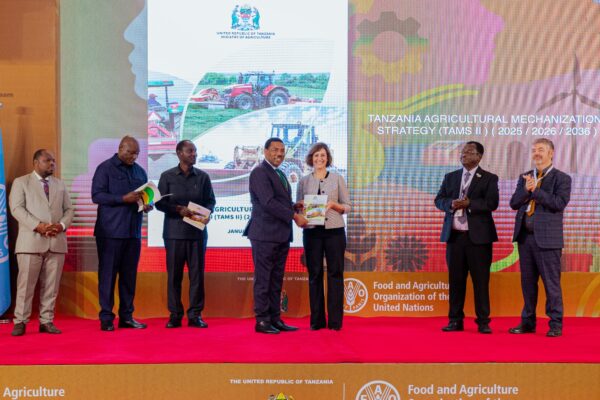
Africa’s push to scale up sustainable agricultural mechanisation gathered momentum on Tuesday as Tanzania unveiled a new 10-year national strategy at the opening of the Africa Conference on Sustainable Agricultural Mechanisation in Dar es Salaam.
Mwigulu L. Nchemba, prime minister of the United
```
Members Only
Login or create an account to continue
This article is available to registered BusinessDay readers. Please login if you already have an account, or create a new account to continue reading.
New to BusinessDay? Register now and start reading.
```
Ruth Tene Natsa
Ruth Tene, Assistant Editor, Agric/Solid Minerals/INEC
Ruth Tene is an award-winning journalist with over 15 years experience in developmental reporting across several newsrooms, as a reporter, editor and other managerial roles. She holds a Postgraduate Diploma in Journalism from the University of Maiduguri among several other certifications
She has attended several trainings and certifications both locally and internationally and has been recognized for her impactful work in humanitarian reporting, receiving the Gold Award for Humanitarian Services from the Amazing Grace Foundation. She is also a recipient of the Home Alliance Fellowship, reflecting her commitment to fostering a more humane, safer and more sustainable planet.
An active member of professional journalism bodies, Ruth is affiliated with the Nigeria Union of Journalists (NUJ), the National Association of Women Journalists (NAWOJ), and the Agricultural Correspondents Association of Nigeria (ACAN), where she continues to advocate for excellence, ethical reporting, and development-focused journalism.