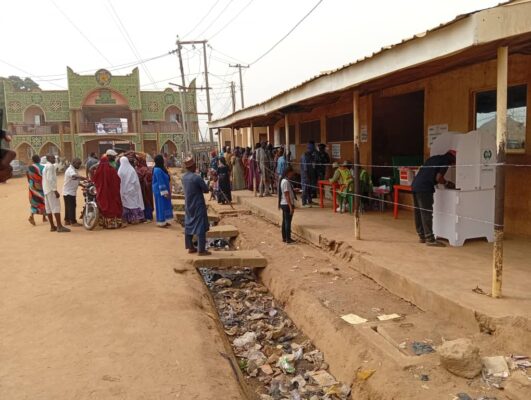
The 2026 Federal Capital Territory area council elections were conducted in a generally peaceful atmosphere but were marred by late opening of polling units, voter confusion, poor turnout, and reports of vote buying, according to preliminary findings by civil society observers.
The Independent National Electoral Commission, INEC conducted the polls on Saturday across the six area councils to elect chairmen and 62 councillors.
However, election observers deployed by YIAGA AFRICA under its ‘Watching the Vote’ project said administrative lapses and logistical gaps undermined voter access and confidence in the process.
Across several wards, especially in the Abuja Municipal Area Council, polling units opened well behind schedule. In Wuse and Gwarinpa, voting reportedly commenced close to 10am in many locations, with officials still setting up materials long after the official start time.
The delays, YIAGA Africa said, discouraged early voters and contributed to the low turnout recorded in most areas.
Relocation of polling units and the reassignment of voters without timely notice also triggered widespread confusion. Many voters were seen moving between units in search of their names, while others abandoned the process entirely after spending hours without clarity.
Read also: APC declared winner of area council election in Pu 109 Alaiyta
Although INEC attempted to notify affected voters through text messages, observers said several alerts were delivered on election day, in some cases after voting had already started. This, they noted, compounded congestion and frustration at polling centres.
Logistical shortfalls were also recorded. In some polling units, voter registers were initially unavailable, while voting cubicles and essential materials were missing in parts of Abaji Area Council. These gaps, observers warned, raised concerns about voter privacy, efficiency, and overall election integrity.
Despite the challenges, the election remained largely peaceful. Security deployment was heavy in several locations, but in some cases restricted the movement of observers and voters, limiting access to polling units.
Observers also documented incidents of vote buying, describing the practice as persistent despite prior assurances by INEC and security agencies to curb monetary inducement.
Overall voter turnout was described as poor, with many polling units recording sparse participation throughout the day. Observers attributed this to late commencement, logistical lapses, voter confusion, and growing public apathy.
YIAGA AFRICA called on INEC to strengthen logistics planning, improve voter education, and ensure early and clear communication of polling unit changes ahead of future elections.
It also urged strict adherence to guidelines on polling hours, results collation, and public display of results to restore confidence in the electoral process.
The group further appealed to security agencies to maintain professionalism and neutrality, while urging political parties and supporters to refrain from actions capable of undermining electoral credibility.
Results collation continues across the six area councils, with observers monitoring the process at ward and council levels.

Join BusinessDay whatsapp Channel, to stay up to date
Open In Whatsapp