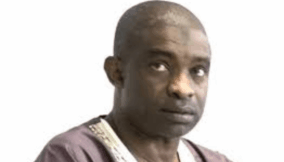
In a revelation that reopens debate over one of Nigeria’s most controversial presidential decisions, Tunde Bakare has disclosed how he intervened to influence the pardon granted to Diepreye Alamieyeseigha, the late former Bayelsa State governor, linking the move directly to rising unrest in the Niger Delta at the time.

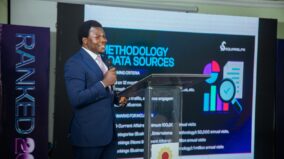
Bakare, founder of Citadel Global Community Church, made the disclosure in Lagos during the second edition of the Citadel School of Governance Dialogue Series themed, “The Rough Road to Reforms: The Risks, the Resistance, the Reprisals, and the Resilient Leader.” His account offers a rare glimpse into the high-level consultations and political calculations that shaped the controversial decision.

According to him, tensions in Bayelsa State had reached a worrying level, with growing unrest tied to the continued legal troubles and perceived mistreatment of Alamieyeseigha. Concerned about the implications for peace in the oil-rich region, Bakare said he decided to act.

He revealed that he met with then Acting President, Goodluck Jonathan, and made a direct appeal for a presidential pardon, arguing that such a move could help calm the situation and prevent further escalation.

“I met with President Jonathan at the time he was acting president and urged him to grant a pardon,” Bakare said, emphasizing that his intervention was driven not by personal interest but by the need to stabilize a volatile region.

Bakare further disclosed that Alamieyeseigha had earlier confided in him about the circumstances surrounding his legal case. According to the cleric, the former governor claimed that late President Umaru Musa Yar’Adua had advised him to accept a plea bargain, with the assurance that he would eventually be granted a pardon.

This claim, if taken at face value, adds a new dimension to the longstanding controversy surrounding the pardon, which drew widespread criticism from Nigerians who saw it as a setback in the fight against corruption. At the time, many argued that granting clemency to a convicted public official undermined accountability and weakened public trust in governance.

However, Bakare’s narrative reframes the decision within the context of political pragmatism and conflict management. He suggested that leaders are often forced to make difficult and unpopular choices in order to preserve national unity and prevent instability.

His remarks underscore the complex intersection of justice, politics, and reconciliation in Nigeria, where decisions are rarely straightforward and are often influenced by competing national interests.

While he did not provide full details of his engagement with Jonathan, Bakare maintained that his actions were guided by a sense of responsibility to the nation, particularly at a time when tensions in the Niger Delta threatened broader security.

The disclosure is expected to reignite conversations about the balance between justice and political expediency in Nigeria’s governance, especially as the country continues to grapple with issues of reform, accountability, and national cohesion.

Ultimately, Bakare’s account reinforces a recurring reality in Nigeria’s political landscape: that the road to reform is often complicated, requiring leaders to navigate resistance, manage crises, and sometimes make decisions that remain contentious long after they are made.

Athekame Kenneth is a politics, economy, and finance reporter whose work is anchored in sharp investigative storytelling. He brings analytical depth to every piece, drawing on a strong academic foundation that includes a degree in Economics, an MBA in International Trade, and a minor in Petroleum Economics from Lagos State University, Ojo. His reporting blends rigorous research with a keen eye for hidden truths, delivering stories that illuminate power, policy, and the forces shaping everyday lives.

Join BusinessDay whatsapp Channel, to stay up to date

Open In Whatsapp