Introduction
The integration of technology and AI into commercial disputes is reshaping arbitration globally. At the heart of this evolution is the need for tribunals to effectively understand, test, and trust complex technical evidence—especially as code, data, and AI systems become central to disputes.
Growing Arbitration Hubs in Africa and the Need for Specialist Arbitrators
Jurisdictions like Nigeria and Kenya are becoming increasingly pro arbitration-friendly. Nigeria’s recent legislation, the Arbitration and Mediation Act 2023 modernises its framework significantly. In Kenya, the primary legislation governing arbitration remains the Arbitration Act, 1995 (Cap. 49), supported by the Mediation Act, 2016. It should be noted that Kenya is in the process of updating its arbitration laws to align with international standards such as the UNCITRAL Model Law, however these existing statutes already provide a solid foundation for arbitration practice.
This evolving legal landscape, combined with the proliferation of digital business—including virtual assets, cryptocurrencies, digital currencies, and emerging digital rights recognition for creatives makes it imperative that specialist arbitrators and experts are cultivated in these jurisdictions to meet the growing demand.
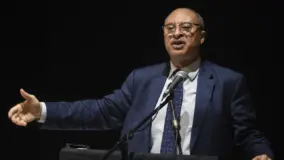
In my own experience, I was honoured to be invited to speak by the @NICarb as part of a panel discussion called “The Specialist Arbitrator,” where I shared insights from my work as an arbitrator and mediator in sports disputes. Sports disputes as we all know have received a lot of attention in recent years, however considering the fact most people are interacting with the digital space on a daily basis , digital companies springing up in huge numbers and corresponding disputes, it is now time to raise awareness and intentionally develop specialist African arbitrators that are equipped to handle technology and AI disputes. The increasing complexity of digital disputes demands arbitrators who can navigate these highly technical fields with confidence.
The critical role of technical experts
In Nigeria, ADR conversations, conferences, panels tend to revolve almost entirely around the arbitrator and at times around counsel and barely much attention given to the critical role played by expert. By no means should the importance of experts be downplayed particularly at this point in time when the pace of digital transformation and innovation is at lightning speed. Experts bring indispensable support to the arbitration process by interpreting complex technical evidence such as source code, system configurations, and AI outputs. Their expertise ensures that the tribunal can meaningfully understand the evidence presented.
The need for experts who can analyse, interpret, and explain technical material simply will only increase as digital disputes grow in volume and complexity. Experts help preserve the integrity of evidence such as digital footprints and give clarity on whether source code meets contractual specifications or has been misappropriated or tampered with.
Procedural adaptations and challenges
Traditional arbitration rules were originally designed for document-based evidence and often fall short in tech-heavy disputes. Early case management conferences to define evidence protocols, confidentiality safeguards, and expert involvement are vital. Techniques such as “hot tubbing,” where experts jointly discuss and clarify technical issues, and the creation of glossaries help streamline communication and understanding.
Confidentiality remains a paramount concern, given the sensitive nature of code and digital assets. Arbitration practitioners must carefully craft protective orders and ensure secure handling of evidence to protect clients’ “crown jewels.”
The black box challenge and AI tools
AI’s “black box” nature can prove tricky in disputes especially where outcomes cannot always be explained or replicated for instance with vibe coded material. This can pose unique evidentiary challenges. While AI tools can assist experts in managing vast datasets, sometimes if you don’t know what you are looking at or indeed looking for in the place it becomes an action in futility and in cases such as these human oversight remains indispensable. Arbitrators involved in very technically advanced disputes involving algorithms will need to rely heavily on expert testimony rather than automated AI analysis to assess causation and reliability.
Conclusion
As digital commerce and technology disputes continue to mainstream, arbitration, especially in popular African business hubs like Nigeria and Kenya, must prioritise the development of both specialist arbitrators and technical experts. This growth should be intentional and supported by education, awareness, and robust procedural frameworks.
Only through such concerted efforts can arbitration remain a fair, efficient, and trusted forum for resolving the complex disputes of the digital age.
.Agbakoba-Onyejianya is MCArb Notary Public CareerMom|GRC| Arbitrator| Accredited Mediator| AI & Impact | Sports Entertainment & Tech| Business of Sports Institute Africa, Develop Your Game |Development Coach & Mentor | Cultural Vanguard | Writer| Youth Sports

Join BusinessDay whatsapp Channel, to stay up to date
Open In Whatsapp