The 2026 Mashariki Cooperation Conference (MCC) has firmly positioned Kenya as a continental powerhouse in strategic security dialogue, underscoring its emergence as Africa’s leading voice on intelligence-led peace and stability.
Held in Diani, Kwale County, from April 8–12, 2026, this third edition of the high-level gathering was hosted by Kenya’s National Intelligence Service (NIS) under Director General Noordin Haji. Drawing delegates from nearly 100 countries, regional and international organisations, and more than 20 security think tanks, the conference has rapidly grown into a premier platform for candid, high-stakes discussions—often behind closed doors—on the future of African security.
A Rapt Audience for Obasanjo’s Wisdom
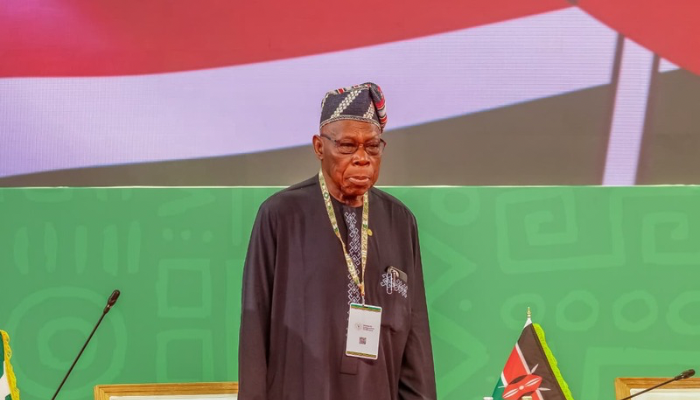
Among the standout moments was a deeply resonant address by former Nigerian President Chief Olusegun Obasanjo. Drawing on decades of experience as both a peacemaker and a combatant in African conflicts, Obasanjo offered rare insights from his personal playbook—the Obasanjo 50+20 Leadership Framework. His remarks, which also touched on the ongoing geopolitical tensions involving Israel, Iran, and the United States, held the room in rapt attention, reaffirming the value of seasoned African leadership in navigating complex crises.
Theme and Focus: Intelligence for Peace
Under the overarching theme “Intelligence for Peace”—with a broader lens on “The Emerging Geopolitical Dynamics and Africa’s Security Architecture”—the conference addressed pressing transnational threats, including terrorism, cyber risks, misinformation, deepfakes, and AI-driven challenges. Leaders emphasised the urgent need to move from reactive, traditional security postures to proactive, intelligence-led strategies that prioritise peace, stability, and economic growth.
Kenyan leaders featured prominently, including Prime Cabinet Secretary Musalia Mudavadi, Interior CS Kipchumba Murkomen, Attorney General Dorcas Oduor, Supreme Court Justice William Ouko, and parliamentary security committee chairs Nelson Koech and Fatuma Dullo. President William Ruto delivered closing remarks, urging African nations to build responsive, adaptive security systems and praising the NIS for its stewardship of the conference. “A secure Africa,” he noted, “is the foundation for development.”
A Gathering of Consequence
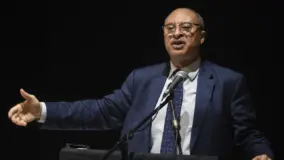
The conference brought together intelligence and security chiefs from across Eastern Africa and beyond, with IGAD Executive Secretary Dr. Workneh Gebeyehu warning of a growing “war against truth” waged through digital manipulation. He championed African-led technological solutions and youth engagement, including a hackathon to incubate homegrown innovation.
Director General Noordin Haji captured the urgency of the moment, urging unity and concrete action beyond dialogue. He cautioned that the continent faces not only physical threats but also an erosion of trust caused by misinformation—a challenge that demands a coordinated, intelligence-driven response.
From Dialogue to Action: Key Outcomes
While formal communiqués are forthcoming, several key themes and expected deliverables have emerged:
• Proactive Security: A decisive shift toward intelligence-led strategies for peace and economic resilience.
• AI as a Dual-Use Tool: Urgent integration of artificial intelligence in threat detection and counterterrorism, alongside safeguards against its misuse in deepfakes and disinformation.
• African Solutions: Strong emphasis on homegrown data, technology, and youth-led innovation to reduce dependence on external actors.
• Trust and Coordination: Enhanced intelligence sharing and trust-building among African agencies to combat terrorism, organised crime, and hybrid warfare.
• Geopolitical Awareness: Recognition that, without cohesive action, Africa risks becoming a battleground in the global power competition.
• Follow-Through: Commitment to identifying priority areas and launching joint implementation projects for sustained intelligence cooperation.
Implications for Regional Security
For the Horn of Africa and Eastern Africa, the MCC’s growing stature has significant implications. By convening spy chiefs and security heads annually, Kenya is fostering practical intelligence partnerships that can enhance real-time threat-sharing on groups such as Al-Shabaab, cross-border banditry, and cyberattacks.
Moreover, the conference aligns with IGAD and African Union goals while pushing for a more responsive continental security architecture—one adapted to diminished international aid and rising digital threats. Kenya’s role as a neutral, capable host builds trust and positions Nairobi as an indispensable convener in sensitive security diplomacy.
The Road Ahead
The MCC 2026 has successfully reinforced the narrative of Intelligence for Peace and African agency in security governance. However, lasting impact will depend on translating dialogue into sustained, actionable cooperation. As delegates depart from Diani, the challenge remains clear: move beyond rhetoric to build the integrated, resilient mechanisms Africa urgently needs.
For now, Kenya has staked its claim not just as a host, but as a thought leader—and a catalyst—for the continent’s intelligence future.

Join BusinessDay whatsapp Channel, to stay up to date
Open In Whatsapp