The Adamawa State Government, in collaboration with UNICEF and other development partners, has launched a major education initiative aimed at enrolling thousands of out-of-school and vulnerable children across the state.
The programme, implemented under the Education Cannot Wait (ECW) project, seeks to expand access to education, particularly for children affected by conflict, displacement, and poverty.
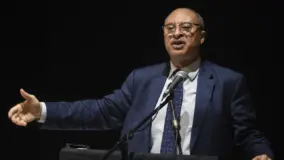
Speaking at a press briefing in Yola, UNICEF Education Specialist, Abdurrahman Ibrahim Ado, said the initiative is designed to remove long-standing barriers that prevent children from enrolling in and completing school.
He explained that the intervention was part of the Multi-Year Resilience Programme (MYRP II), a continuation of education support efforts in Nigeria’s North-East. The programme, which began in December 2024, is expected to run for 36 months, ending in December 2027.
According to Ado, the project focuses on addressing key challenges such as insecurity, climate shocks, economic hardship, and inequality, factors that have contributed to low enrollment and poor learning outcomes in the region.
He noted that the initiative adopted a multi-partner approach. While UNICEF provides technical leadership, organizations such as Save the Children will support improved access and learning outcomes.
The Norwegian Refugee Council will focus on gender inclusion and psychosocial services, while Plan International and GHIV Africa will drive community engagement and gender-responsive interventions.
To ensure effectiveness, the programme will be implemented in selected local government areas rather than statewide. In Adamawa, the targeted LGAs include Fufore, Michika, Madagali, Yola South, Mubi, Shelleng, and Ganye.
The initiative prioritises internally displaced children, returnees, children with disabilities, and those in marginalised learning systems such as the Almajiri (Tsangaya) system. By focusing on these groups, the programme aims to bridge the education gap and integrate more children into formal and non-formal learning systems.
“The goal is simple, no child should be left behind,” Ado said, expressing confidence that the initiative will improve both enrollment and retention.
The programme also adopts a gender-focused approach, targeting 60 percent girls and 40 percent boys, with the aim of promoting inclusive and equitable access to education across the state.

Join BusinessDay whatsapp Channel, to stay up to date
Open In Whatsapp