…As ‘Motor Park’ surgeons gain traction
Across Nigeria’s urban centres, a new kind of business is taking place—not on the roads, but on the human body. What was once a hushed conversation about elite trips to Dubai or Beverly Hills has exploded into a loud, local, and incredibly lucrative domestic industry.
The shift
The Nigerian cosmetics economy is no longer just about lipstick and powder; it is about a total physical overhaul, and the business is booming.
The most striking shift in this economy is accessibility. The business has gained traction following the popularity of Instagram and TikTok. These tech tools have helped move body modification from the operating rooms of high-end hospitals to the “street corners” and event centers.
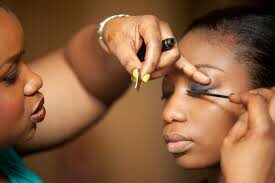
“People call us ‘motor park surgeons’ but that’s not really what we are,” said Sadiq Ahmed, a self-taught aesthetic technician who operates from a rented salon space near a major bus terminal in Lagos.
“I don’t do surgery. What I do are fillers, lashes, brows, and body enhancement. I learned from online classes, YouTube, and two people I trained under in Lagos. My clients can’t afford Lekki prices, but they still want to look good. If I charge them millions, they won’t come. This is what they can afford.”
Licensed clinics in Lekki and Abuja are currently charging millions for Vaser Liposuction and Brazilian Butt Lifts (BBLs).
Meanwhile, ‘beauty technicians’ in motor parks and local salons offering semi-permanent lash extensions, ‘lip-padding’ (fillers), and prosthetic nails are securing a significant fraction of the market, driven largely by affordability and social media visibility.
Employment opportunities amid risk
No doubt, the surge in this market has created a massive employment web. It isn’t just for the surgeons; it is also for the artisans.
Nigerian youths are now mastering the art of “sculpting” through microblading and eyelash artistry, creating thousands of micro-SMEs.
‘Skill acquisition’ centres are now shifting from catering and tailoring to “Aesthetic Science,” training the next generation of beauticians.
However, the “motor park” element introduces a dangerous variable. As procedures move to unregulated spaces like hotel rooms and ceremonies, the line between “beautician” and “unlicensed surgeon” is blurring, creating a market that is profitable but very risky.
Costs
Findings by BusinessDaySunday show that surgical tummy tuck and BBL cost about N2,000,000 and N7,000,000 in specialist hospitals.
Semi-surgical lip fillers and Botox cost between N150,000 and N500,000 in most med-spas and salons.
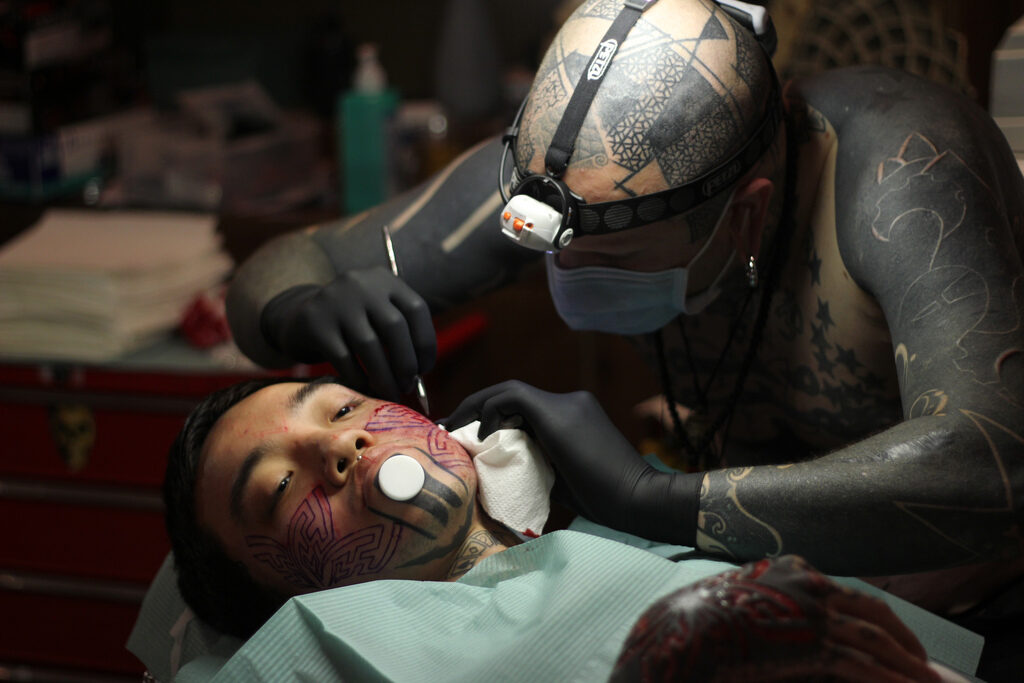
On street corners and in malls, eyelashes, nails and tattoos cost between N5,000 and N50,000.
False eyeballs and lenses cost between N10,000 and N30,000 in open markets and boutiques.
“I know the risks, but I don’t have N200,000 for lips,” said Blessing Chukwudili, a 26-year-old makeup artist who gets her beauty procedures done outside licensed clinics. “The girl I use charges N40,000 and I’ve done it twice without issues. I asked questions, I saw her work on Instagram, and I spoke to other girls that patronise her. We want to look good, but we are also managing bills.”

Opportunities amid challenges
Bimbo Ige, founder of Celeb Laser and Aesthetics Clinic—a hub for laser, cosmetic, and aesthetic services—told BusinessDaySunday that her best-selling procedure is laser hair removal.
She described the procedure as the clinic’s “number one for now,” explaining that demand shifts with trends.
“Like last year, it was laser teeth whitening. And then maybe some months ago, it was glutathione injection. So, when we inject you with glutathione injection, it helps to brighten up your skin and helps the texture get better. Glutathione has the most vitamins in the world. It has 10 times more vitamin C than oranges.
“There are lots of vitamins in glutathione. So, once you inject glutathione, it helps to brighten up the skin. The Caucasians used to use glutathione back in the day to help refresh their bodies. They used to use it on people that had cancers to give them vitamins. Then they realised that, ‘wow, this thing is making us whiter’.
“That’s the side effect of it. A lot of things have side effects. But they didn’t like it because white people don’t want to get lighter, they want to get darker. That’s why they’re always under the sun in sunny countries. But when Africans heard about that, and all the Vitamin C it has, they went for it because it has the side effects they want. That’s how glutathione entered our market. That’s how it got even more popular than the people that brought it in. It’s one of the best sellers,” Ige explained.
She said that demand for beauty enhancement has continued to grow, creating regulatory pressure.
“The market is growing but I’ll tell you what the issue is with the market. When I came in 2017, I’m sure our clinic was among the top three in the market then because people did not know much about the aesthetics industry. It was new then. But now, there are about 1,000 people doing this.
“So that’s the difference. The market is extremely saturated and there are lots of problems with the industry. There are issues of regulation and people not being qualified and not doing their training. We’re trying to help with that, but it’s a lot of work,” she said.
Ige, who also doubles as president of the Medical Aesthetics Association, noted that regulation is particularly difficult because some clinic owners have strong social and political connections.
“Demand is probably going up, but there’s so many people operating in this space. And a lot of people are coming from abroad to even do it. That shows the demand is there,” she said.
She added that the association has collaborated with the Federal Ministry of Health (FMoH).
“They go to check everybody’s clinic every three to six months to make sure everything is clean and tidy, to ensure they have nurses and doctors on ground. They check their licenses. We’ve also collaborated with Lagos State Medical School to train people who are not doing things the right way.
“But this is Nigeria. There are people in other states which we may not see or monitor. It’s really difficult, to be honest. So we’re just managing how we can with the Ministry of Health. But the ones in Lagos are very good. They go everywhere,” she explained.
The future of the beauty market
Analysts suggest that as long as social media remains the primary window through which people view the world, the ‘Cosmetic Naira’ will continue to flow.
In a competitive job and social market, many see these enhancements not as vanity, but as an investment—a way to increase their social and professional “market value.”
“Looking good is part of branding now,” said Tolu, a Lagos-based content creator and event host. “When you’re in media, PR, or entertainment, how you look affects how you’re treated and the jobs you get. I started with lashes and teeth whitening from small salons before I could afford a clinic. It wasn’t vanity for me. It was positioning.”
The industry appears to be heading toward a professionalisation phase. Nigeria is likely to see more government intervention and tighter regulation as the state attempts to balance economic opportunity with public safety.

Join BusinessDay whatsapp Channel, to stay up to date
Open In Whatsapp