To continually ensure fairness and protect the integrity of capital markets, jurisdictions are increasingly relying on whistle-blowers in order to facilitate early awareness of potential misconducts or irregularities of market intermediaries in the form of investment fraud, accounting and financial manipulations, insider trading, front-running, identity theft, investors and general market abuse.
Whistle-blowers by definition are people who expose (through anonymous channels) information or activities that can be termed illegal, unethical or against an organisation’s standards, policies and procedures.
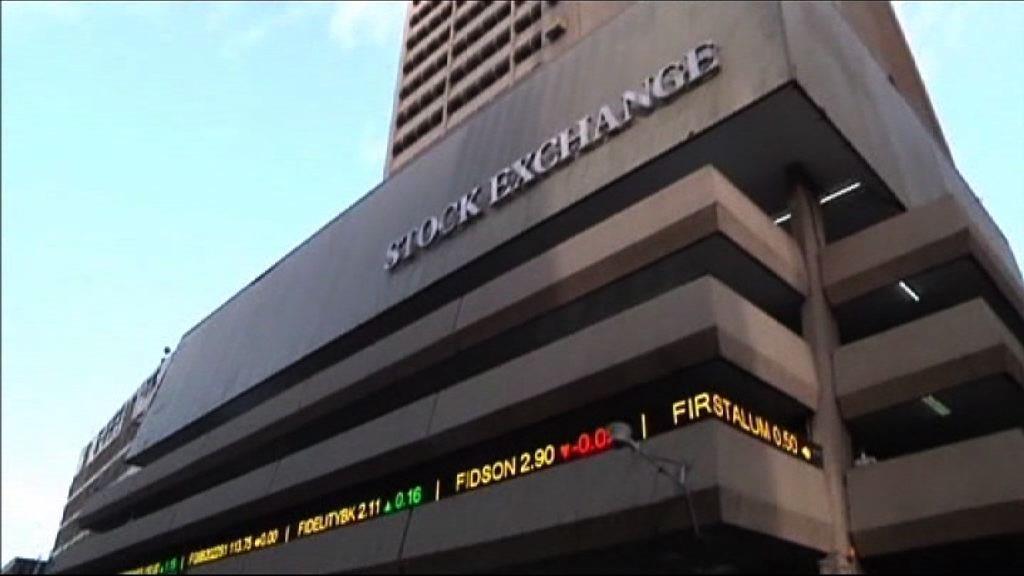
Whistleblowing has gained widespread popularity in Nigeria since the current Buhari-led administration took over, following the creation of a whistleblowing portal and that provided individuals with anonymity and rewards for exposing corrupt activities. Whistleblowing itself is not new to the Nigerian Capital Market as The Nigerian Stock Exchange launched an X-Whistle Portal in 2014 to expose market infractions.
Whistleblowing in the Nigerian Capital Market entails the disclosure of information about a perceived breach of any capital market rules and regulations, including breach of trust by a market participant, to relevant authorities who are in the position to effect remedial action. These authorities include the Securities and Exchange Commission and The Nigerian Stock Exchange.
The Nigerian Stock Exchange introduced a whistleblowing policy and launched its X-Whistle portal in 2014 to encourage all market stakeholders, including the investing public to report any observed market abuse and breach of the Exchange’s Rules and Regulations in their dealings with Dealing Member Firms as well as regarding securities listed on the Exchange.
Information submitted through the X-Whistle portal is safe, and is treated with confidentiality for the protection of the Whistleblower. Measures have also been put in place to as much as possible, prohibit retaliation, discrimination, reprisal, harassment or vengeance in any manner against anyone offering information to the Exchange in good faith. While the whistleblowing policy did not provide for financial incentives, it is believed that it is in the interest of the industry and investors that wrongdoing is identified and addressed promptly.
The whistleblowing policy will afford the NSE the ability to identify market and investors’ abuses in their early stages for the purpose of solving them as quickly as possible while limiting their negative impacts on the public perception of the market and investors protection.
All market stakeholders are encouraged to join us in the fight against market and investor abuse by visiting: http://www.nse.com.ng/regulation-site/xwhistle-site/Pages/tips.aspx to report perceived wrongdoings of any market participant with relevant details to aid investigation and prosecution, as appropriate.

Join BusinessDay whatsapp Channel, to stay up to date
Open In Whatsapp