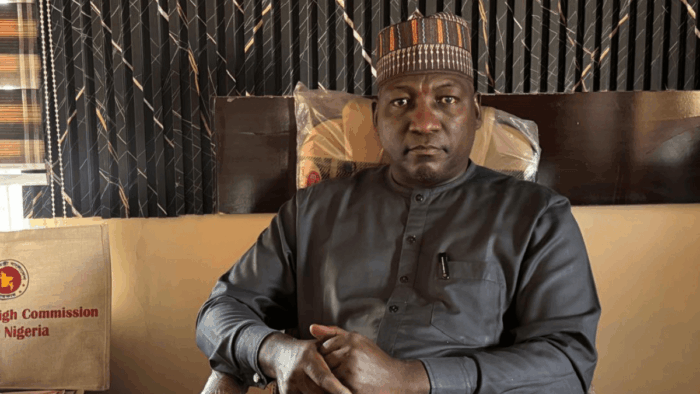
In this interview with ADEOLA AJAKAIYE in Kano, Hassan Tahir Yaro, CEO, HASYAR Farm, on behalf of the leadership of the Kano Small & Medium Scale Traders, Farmers and Entrepreneurs Development Association, outlines the group’s ambitious drive to formalise informal businesses, expand export opportunities, and strengthen agricultural productivity, while calling on government at all levels to address pressing challenges in power supply, certification, and infrastructure. Excerpts:
Can you explain the structure and focus of the association?
The Kano Small & Medium Scale Traders, Farmers and Entrepreneurs Development Association has been reorganised to better serve traders, farmers, and entrepreneurs across different levels. We now have four membership categories: export and import traders, large-scale mechanised farmers, small and medium enterprises including youth and women, and informal traders who need support to formalise their businesses. This structure allows us to address specific needs across the value chain.
How large is your membership and what support do they receive?
We currently have over 100,000 members spread across all 44 local government areas in Kano, with some members from states like Benue and Anambra. We organise annual training programmes in partnership with institutions and experts, ensuring accessibility by delivering sessions in both English and Hausa. We also facilitate access to loans of up to N5.5 million through bank partnerships, repayable within 12 to 24 months.
What steps are you taking to connect members to international markets?
We organise between 12 and 15 international trade missions annually to countries such as Tunisia, Turkey, Vietnam, and China. We also host expos that attract companies from across Europe, Asia, Africa, and Latin America. Some of our members have already established a presence in free trade zones abroad, boosting their export capacity.
What kind of support are you seeking from the government?
We want stronger collaboration with both federal and state governments. Northern states should send representatives on trade missions to gain firsthand insights and report back with recommendations. We also need policies that support the formalisation of the informal sector, which can significantly boost GDP.
How do you assess current government economic efforts?
We recognise the efforts of Bola Ahmed Tinubu, especially given current economic challenges. However, there is a need for deeper engagement with private sector initiatives like ours to fully unlock opportunities.
What are the major challenges affecting businesses today?
Electricity and diesel costs are major concerns, especially between March and May. Many factories struggle to operate due to high energy costs, which disrupts productivity and increases the cost of goods.
What challenges do exporters face, particularly with international markets?
Exporters are dealing with certification and documentation issues, especially with new tariff policies from countries like China. There is confusion about compliance requirements, which affects market access. We have been working with the Nigerian Export Promotion Council and its Kano coordinator, Ajah Amina, to organise training sessions, but more needs to be done.
What solutions do you propose to address these export challenges?
We need better coordination between government agencies and the private sector. Universities with laboratory facilities should be empowered to certify products locally, which will speed up the export process and reduce bottlenecks.
Let’s talk about agriculture. What are the key issues facing farmers?
Agriculture is underfunded despite its importance. Farmers are struggling with high fertiliser costs, poor rural roads, and labour challenges. Many now resort to alternatives like manure, which reduces productivity. There is an urgent need for increased budgetary allocation and targeted interventions.
What specific actions should the government take in agriculture?
Government should subsidise fertiliser, improve rural infrastructure, and adopt international best practices that support farmers through tax incentives and funding. As someone deeply involved in farming, Hassan Tahir Yaro understands firsthand the urgency of these interventions.
What is your outlook for the future?
We are optimistic. With the right policies, partnerships, and investment, Nigeria can expand its export base, strengthen agriculture, and empower millions of small businesses. We believe stronger collaboration between the association and the government will unlock these opportunities.

Join BusinessDay whatsapp Channel, to stay up to date
Open In Whatsapp