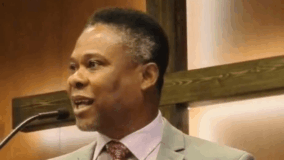
Malik Afegbua, a University of Surrey Bachelor of Arts graduate, is an award-winning filmmaker and AI artist redefining African storytelling through technology. Ranked among Africa’s top AI creatives, he blends culture, film, and innovation to shape global narratives. As founder of Slickcity Media and co-founder of AACIS Academy, he has trained over 5,000 creatives in AI and digital storytelling. His viral project The Elder Series sparked global conversations on ageing and representation, while collaborations with global brands like Marvel and IBM showcase his fusion of culture and technology.
In this exclusive interview with KENNETH ATHEKAME, he shared his insights on the role of Nigeria’s creative industry in the digital economy and how AI-driven projects are unlocking bold new revenue streams. Excerpts:
What first inspired your journey into the intersection of creativity, artificial intelligence, and storytelling?
I’ve always believed storytelling is one of the most powerful tools to shape perception and reality. When I started exploring AI, I didn’t see it as just a tool; I saw it as a new canvas. What drew me in was the ability to reimagine African narratives at scale, challenge bias, and create worlds we’ve historically lacked the infrastructure to produce. It became less about technology and more about ownership of narrative.
How has your experience as founder of Slickcity Media shaped your perspective on Africa’s digital creative economy?
Building Slickcity Media showed me that Africa doesn’t lack talent, we lack systems and infrastructure to help that talent scale. The future of our digital creative economy lies in leveraging technology to remove those bottlenecks. Tools like AI, XR, and real-time production allow us to compete globally without waiting for traditional gatekeepers. It’s shifting us from consumers to creators at scale.
What role should the creative industry play in Nigeria’s digital economy vision?
The creative industry shouldn’t just be part of the conversation—it should be central. Culture is Nigeria’s strongest export. When combined with technology, we’re not just creating content; we’re building intellectual property, global influence, and economic value. If treated as infrastructure rather than just entertainment, the creative sector can drive jobs, exports, and innovation.
Did The Elder Series translate into economic opportunities?
Yes, but more importantly, it opened doors. It created global visibility, partnerships, and conversations that extended beyond the project itself. Economically, it showed that culturally grounded, AI-driven storytelling has demand, creating opportunities not just for me, but for an entire ecosystem.
How can AI-driven projects create new revenue streams?
AI expands both production and distribution. You can create faster, iterate more, and build across multiple formats: films, fashion, digital assets, licensing. A single idea can become a visual series, a film, a virtual experience, or even a product line. The key is thinking beyond one output and building intellectual property ecosystems.
Can AI position Nigeria as a global hub for digital art and creative tech?
Absolutely. Nigeria already has cultural influence. AI gives us tools to amplify that globally at speed. With investment in talent, education, and infrastructure, there’s no reason Nigeria can’t become a leading hub. The goal isn’t just to participate; it’s to define this space from an African perspective.
What opportunities does AI open across creative sectors?
In film, AI reduces production barriers. In fashion, it enables rapid prototyping and storytelling. In advertising, it allows hyper-personalized, high-quality campaigns at lower costs. Across the board, it shifts creatives from being limited by resources to being driven by imagination. That’s a fundamental change.
How can creatives monetize AI-generated art while protecting IP?
Intellectual property is the real value, not just the output. Creatives need to think about ownership, licensing, and distribution. Blockchain and smart contracts will play a role, but even now, structuring deals properly, watermarking, and controlling access are key. Stronger legal frameworks for AI-generated work are essential. As long as there’s human input, you can copyright your creations.
What role should private investors and venture capital play?
Investors need to see creative-tech as a serious category, not a niche. Returns come from intellectual property, platforms, and scalable content ecosystems. They should back storytellers building technology-driven creative businesses; this is where long-term value lies.
How can the Nigerian government better support this space?
Policy, funding, and education. We need regulations that protect creatives, funding to support experimentation, and education systems that integrate technology and creativity from the ground up. This is economic infrastructure, not just art.
Will AI expand employment or disrupt jobs?
Both. Some roles will disappear, but new ones will emerge. The key is skill evolution. Creatives who understand AI will have a significant advantage. It’s not about replacement, it’s about adaptation.
What economic potential does Nigeria’s digital creative economy hold with AI?
The potential is massive. If properly harnessed, it can rival traditional sectors. We’re talking exportable digital products, global IP, and scalable creative businesses. AI accelerates all of that; the question is whether we move fast enough to seize the opportunity.
How can The Elder Series inspire the next generation?
By showing what’s possible. It proves you can take something deeply rooted in culture and present it in a way that resonates globally using new tools. I want the next generation to see that they don’t have to wait for permission; they can build, experiment, and create their own paths. That’s where real change happens.
Join BusinessDay whatsapp Channel, to stay up to date
Open In Whatsapp