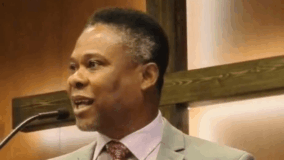
Chuma Ezeokoli is a lifestyle and travel consultant, accomplished programme manager, and healthcare technology professional with over 11 years of experience. He has built a career at the intersection of systems thinking, strategy, and measurable impact. A native of Oko, Anambra State, Ezeokoli earned a Bachelor of Science in Community Health from the University of Illinois at Urbana-Champaign, followed by a Master of Public Health (MPH) and a Master of Business Administration (MBA) from Benedictine University all completed in the United States. In this interview with KENNETH ATHEKAME, he spoke on healthcare technology, entrepreneurship, intentional living, and why Nigeria must move from urgency to structure to win the future. Excerpts:
What inspired your move from healthcare and tech in the U.S. to entrepreneurship?
To clarify, I still work in healthcare technology while building entrepreneurial ventures alongside my professional career. My work exposed me to how systems are designed, scaled, and optimised. Entrepreneurship allows me to apply those same principles directly creating ventures with measurable impact and long-term value, both personally and financially.
How have your degrees shaped your approach?
My academic training sharpened my systems-thinking mindset. In fact, my very first MPH class focused entirely on systems thinking. That framework changed everything.
I approach business the same way public health approaches disease prevention: prevention over reaction, data over assumptions, and sustainability over short-term wins. That foundation drives every decision I make.
How do you define “modern success,” especially in Nigeria?
Modern success is multidimensional. It includes economic stability, personal wellbeing, and purpose. In Nigeria, success is evolving. It is shifting from visibility and survival toward structure, resilience, and global competitiveness. The narrative is changing and rightly so.
Why does Nigeria continue to face recurring outbreaks of deadly diseases?
The challenge is less about effort and more about execution. Limited infrastructure, weak surveillance systems, fragmented data, and inconsistent community engagement weaken public health outcomes.
Effective public health must be localised, technology-enabled, and trust-driven. Nigeria has not yet fully integrated these elements at scale.
How can technology transform healthcare delivery?
Technology can revolutionise Nigeria’s healthcare system. Telemedicine can bridge access gaps in rural communities. Electronic health records improve continuity of care and data-driven decisions. Advanced analytics support early disease detection and better resource allocation. Digitised supply chains can reduce fraud, leakages, and waste long-standing issues in the sector. When properly deployed, technology improves outcomes while boosting transparency and accountability.
Can lifestyle habits influence public health outcomes?
Absolutely. Public health is not only institutional, it is behavioural. Hygiene, nutrition, sleep, fitness, and discipline collectively shape community health outcomes. Intentional living is public health in action.
Why real estate as a core investment focus?
Real estate represents stability and tangible value. My parents invested in property as far back as the 1980s, and I witnessed firsthand how it transformed their financial standing. When managed responsibly, real estate creates wealth, improves living standards, and strengthens communities.
What lessons from your international experience apply to Nigerian entrepreneurship?
Sustainable growth must be built on structure, not urgency. For Nigerian businesses to scale effectively, governance must be clear, processes must be documented, and long-term thinking must guide execution. Improvisation may win the moment, but structure wins the future.
Why your emphasis on self-care and discipline?
Personal experience. Stress-related health challenges taught me that performance without wellbeing is unsustainable. Discipline and self-care are strategic tools they protect clarity, consistency, and longevity.
How do you mentor young Nigerians?
I focus on clarity and structure: proactive goal-setting, habit formation, and high-income skill development. Consistency not shortcuts builds progress. I also mentor young graduates through an NGO called ABA, supporting early-career professionals with limited experience as they navigate employment opportunities. Investing in Nigerian youth is deeply fulfilling, and it is work I intend to continue.
Can you share a transformation story?
One mentee stands out. I guided him from his final semester through the early stages of his career refining his resume, preparing for interviews, negotiating salary offers, and developing professionally. After graduation, he secured a role in healthcare consulting, just as I once did. Since then, he has advanced through multiple roles of increasing responsibility. Watching him evolve into a seasoned consultant has been profoundly rewarding.
How do you plan to scale your impact?
I leverage social media as a digital education platform sharing mentorship, scalable business insights, and wellness principles grounded in public health. Content creation allows me to merge entrepreneurship, lifestyle, and systems thinking at scale.
What role can entrepreneurs play in bridging wellness and social impact?
Entrepreneurs are uniquely positioned to design models that generate profit while improving quality of life. True innovation happens when commercial success aligns with social value.
One piece of advice for young Nigerians?
Prioritise structure over speed.
Build systems. Develop discipline. Motivation fades discipline compounds. Create a scalable life plan and trust the process. Holistic success is not rushed; it is built.

Join BusinessDay whatsapp Channel, to stay up to date
Open In Whatsapp