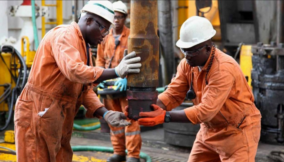
Nigeria’s state oil company is set to supply seven crude cargoes to the Dangote refinery in May, a significant jump from the five allocated in prior months, as the conflict in Iran drives up fuel prices and forces refiners across the globe to scramble for available barrels, according to two trade sources and a refinery official.
The decision by the Nigerian National Petroleum Company to increase shipments to the 650,000-barrel-per-day facility outside Lagos comes at a critical moment for both the refinery and global energy markets. 650,000-barrel-per-day
The Iran war has severely disrupted Middle Eastern output, sending buyers from Europe to Asia hunting for replacement volumes, and placing Nigeria’s crude in unusually high demand on the international market.
For Dangote, the boost is welcome relief. The refinery, owned by Africa’s wealthiest man Aliko Dangote, has recently been forced to pay steep premiums to secure crude from the international spot market, with costs reaching as high as $18 per barrel above the Brent crude benchmark, equivalent to roughly $137 a barrel based on Tuesday’s prices.
“NNPC has allocated more cargoes to Dangote for May,” a senior Dangote refinery official told Reuters. “While this will not completely meet our demands, it can help. We are also in negotiation with NNPC for more volumes.”
Read also: Afreximbank leads $4bn Dangote Refinery loan with $2.5bn Commitment
NNPC cargoes carry a distinct cost advantage for the refinery. Because the facility sits on Nigerian soil, domestic crude deliveries incur substantially lower shipping costs than barrels sourced from West African offshore traders or international suppliers, making each additional NNPC allocation disproportionately valuable in a high-price environment.
The move, however, carries an inherent trade-off for Nigeria’s oil export revenues. Every additional cargo directed toward the Dangote refinery is one fewer available for sale on the international market, and with buyers worldwide competing aggressively for non-Middle Eastern barrels, Nigerian crude has rarely been more sought after.
Redirecting supply domestically could cost the government meaningful foreign exchange earnings at a time when the naira remains under persistent pressure.
Nigeria, Africa’s largest oil producer, pumps roughly 1.5 million barrels per day, though chronic pipeline theft and maintenance outages have long kept actual output below its OPEC quota.
The country’s Light sweet grades, including Bonny Light and Escravos, are highly prized by refiners for their low sulfur content, qualities that make them attractive substitutes for Iranian crude, which buyers in Europe and Asia are now scrambling to replace.
The broader context underscores the difficult balancing act facing Abuja. The federal government has long championed the Dangote refinery as a transformative project that could end Nigeria’s paradoxical dependence on imported refined petroleum products despite being a major crude exporter.
Ensuring the plant runs at optimal capacity supports that strategic goal and, in theory, helps moderate domestic fuel prices, a politically sensitive issue that has triggered public protests in the past.
Yet Nigeria also depends heavily on crude export revenues to fund its budget, and diverting barrels domestically means forgoing the kind of premium pricing that the current supply crunch has made possible.
Dangote refinery officials have not disclosed the facility’s current utilisation rate, but the plant has faced intermittent supply challenges since it began operations, with NNPC deliveries sometimes falling short of expectations.

Join BusinessDay whatsapp Channel, to stay up to date
Open In Whatsapp