Nigeria’s energy challenge is often framed as an access deficit. How many households are connected? How many megawatts are generated? How quickly can new infrastructure be deployed? While these metrics matter, they only tell part of the story. The more consequential question for Nigeria’s economic future is whether energy access is translating into productive use, enterprise growth, and investable demand.

As the country pursues ambitious frameworks such as the Energy Transition Plan and global commitments including Mission 300, the success of these strategies will depend not only on supply-side expansion, but also on whether energy systems meaningfully support small businesses, value chains, and urban productivity, which form the backbone of Nigeria’s economy.

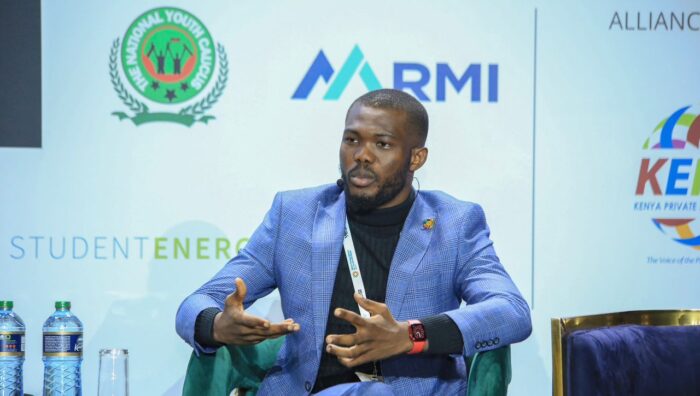
Drawing on nearly a decade of work in clean energy systems, SME competitiveness, and climate-resilient infrastructure across Nigeria and other African markets, Damilola Hamid Balogun, a sustainability professional and social impact entrepreneur whose work informs policy and investment discussions across the continent, has led and advised clean energy initiatives supporting over 1,000 SMEs and hundreds of smallholder farmers through partnerships with the private sector, development institutions, and government agencies, and has participated in several high-level conferences on climate and energy across twenty countries. Insights from these programmes and engagements inform the observations presented in this analysis.

From Access to Agency: The Missing Middle in Energy Reform

Nigeria has made notable progress in recognising energy as a development enabler rather than a standalone sector. Programmes led by institutions such as the Rural Electrification Agency, including the Nigeria Electrification Programme and the Distributed Access through Renewable Energy Scale-Up programme, have rightly prioritised mini-grids, standalone solar, and results-based financing to accelerate access.

Yet across Nigeria’s dense commercial clusters, including markets, trade hubs, and SME corridors, a persistent gap remains. Many small and medium-sized enterprises continue to rely on diesel generators not because clean energy solutions are unavailable, but because adoption risks, trust deficits, financing constraints, and usage uncertainty remain unresolved. Without addressing these constraints, infrastructure expansion alone risks underperforming both economically and financially.

Productive Energy as an Investment Case

Clean energy becomes economically transformative only when it powers productivity. In Lagos’ major commercial markets, targeted clean energy adoption programmes supporting SMEs have demonstrated that when energy reliability improves, businesses reduce operating costs, extend operating hours, improve inventory management, and increase revenues.

Recent clean energy initiatives implemented across Lagos have supported over 1,000 SMEs in transitioning away from fossil fuel generators, lowering emissions while improving business competitiveness. Similar interventions in agricultural value chains, including solar-powered cold storage and irrigation systems, have reduced post-harvest losses by up to forty per cent, strengthened rural incomes, and improved market access for women-led enterprises.

These outcomes are not incidental. They illustrate a critical insight for policymakers and investors alike. Energy access must be designed as an economic instrument, not just a social service.

Aligning Demand Readiness with National Energy Programmes

National programmes such as the Distributed Access through Renewable Energy Scale-Up programme, backed by over seven hundred and fifty million dollars in World Bank financing, aim to deliver renewable energy access to 17.5 million Nigerians through mini-grids, standalone systems, technical assistance, and results-based financing mechanisms. Their long-term success, however, depends on sustained demand, payment reliability, and enterprise uptake.

Demand-focused initiatives, particularly in urban SME clusters, complement these programmes by testing how businesses adopt, trust, and pay for clean energy, informing financing structures and risk mitigation strategies, generating real-world data on productive-use behaviour, and strengthening the investment case for private-sector participation. In this way, demand readiness acts as the bridge between policy ambition and commercial viability.

Investment, Jobs, and the Energy–Economy Nexus

Nigeria’s growth ambitions hinge on job creation, SME expansion, and industrial competitiveness. Energy systems that fail to serve productive users constrain all three. Conversely, clean energy solutions embedded within market systems unlock investment, crowd in private capital, and reduce fiscal pressure on the state.

This is precisely why global frameworks such as Mission 300 emphasise not just electrification, but energy agency, which is the ability of users to leverage power for income generation, value creation, and economic resilience. For investors, this shift reframes clean energy from a cost centre to a growth asset. For policymakers, it underscores the need to integrate energy planning with SME development, urban economic strategy, and climate finance deployment.

A Strategic Imperative, Not a Technical One

Nigeria does not lack energy plans, policy frameworks, or international commitments. What remains is the deliberate integration of demand-side intelligence into energy deployment at scale. When energy policy is aligned with enterprise realities, infrastructure performs better, investments de-risk faster, and climate goals become economically durable.

The path forward is clear. Energy access must be treated not merely as an output to be delivered, but as an economic system to be activated. Only then can Nigeria’s clean energy transition deliver on its promise of prosperity, resilience, and inclusive growth.

Join BusinessDay whatsapp Channel, to stay up to date

Open In Whatsapp