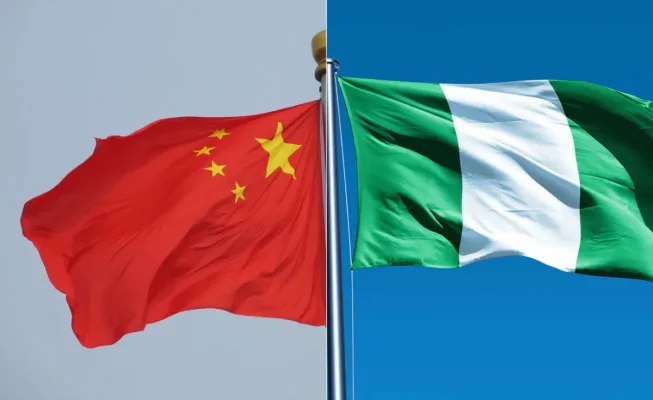
Nigeria and China have reaffirmed their commitment to deepening bilateral relations, as stakeholders in Abuja identified language, media collaboration, and people-to-people engagement as critical drivers of stronger diplomatic and economic ties.
This was made known during the 2026 edition of International Chinese Language Day celebration in Abuja, bringing together diplomats, media leaders, cultural stakeholders, and language enthusiasts at the China Cultural Centre.
The event highlighted the growing influence of the Chinese language as a unifying force in diplomacy, culture, and economic cooperation between China and Nigeria, while also underscoring the critical role of the media in strengthening bilateral relations.
Yang Jianxing, Cultural Counselor of the Chinese Embassy and Director of the China Cultural Centre in Nigeria, noted that the celebration, held during the traditional Chinese solar term known as Grain Rain, paid tribute to Cangjie, credited in Chinese lore with inventing written characters.
He described the Chinese language as a “living thread” spanning over 5,000 years of civilisation, evolving from ancient scripts to modern forms while preserving history, philosophy, and artistic expression.
“Chinese is one of the six official languages of the United Nations, with more than 200 million learners across over 190 countries, an indication of its expanding global relevance”, Jianxing said.
He further stressed the alignment between Chinese and Nigerian cultural values, particularly the shared emphasis on harmony, coexistence, and mutual respect.
References to classical teachings from the Four Books and Five Classics underscored philosophical ideas that resonate across both societies.
The event also drew attention to China’s 15th Five-Year Plan, with speakers noting that its focus on international cooperation presents new opportunities for Nigerians in education, trade, and technology.
In a goodwill message, Mohammed Bulama, Director-General of the Federal Radio Corporation of Nigeria, described language as a powerful tool for global unity and intercultural dialogue.
He said Chinese represents one of the world’s most enduring cultural assets, embodying centuries of knowledge and innovation, while emphasising that language remains central to diplomacy, trade, and media exchange.
Bulama reaffirmed FRCN’s commitment to linguistic diversity, noting that the corporation broadcasts in over 25 languages and continues to connect millions of listeners.
He highlighted the “Ni Hao China” programme, a weekly Mandarin and cultural exchange broadcast launched in 2025 in partnership with the Chinese Embassy as a practical step in deepening Nigeria–China relations.
According to him, the initiative stems from bilateral agreements reached during the 2024 state visit of Bola Ahmed Tinubu to China, aimed at boosting trade, tourism, and communication.
Also speaking, Grace Ike, Chairman of the Nigeria Union of Journalists, FCT Council, described the event as a vital platform for strengthening mutual understanding through language and media engagement.
She commended the Chinese mission and the leadership of the China Cultural Centre, particularly its Director, Yang Jianxing, for fostering a productive relationship with journalists in Abuja.
Ike noted that the collaboration has enabled balanced reporting, cultural exchange programmes, and deeper insight into China–Nigeria relations, describing it as a model for strategic diplomatic engagement through the media.
Both media leaders called on journalists and stakeholders to leverage language and storytelling as tools for promoting cultural diplomacy, shared development, and stronger bilateral ties.
They urged Nigerians to embrace Chinese language learning as a gateway to global opportunities and deeper engagement with China.
The 2026 celebration coincides with the 55th anniversary of diplomatic relations between China and Nigeria, as well as the China-Africa Year of People-to-People Exchanges.

Join BusinessDay whatsapp Channel, to stay up to date
Open In Whatsapp