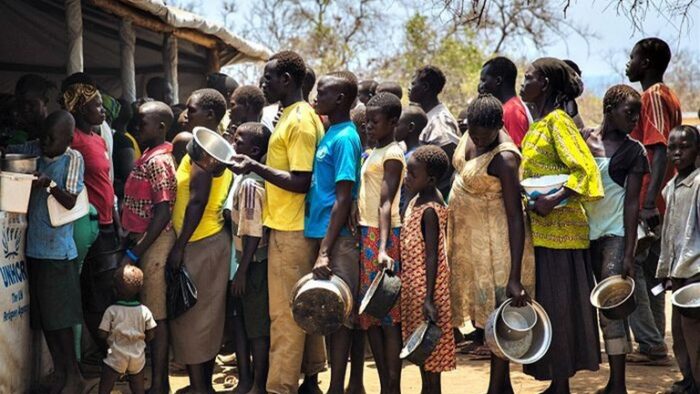
Across Africa, hunger remains a deeply uneven crisis, with conditions ranging from low levels in parts of North Africa to severe and alarming levels in several fragile states, according to the Global Hunger Index (GHI). The data reveals a continent divided not only by geography but also by stability, governance, and resilience of food systems.
At the lower end of the hunger scale, North African countries show relatively strong performance. Tunisia records a GHI score of 6.2, while Algeria stands at 7.1 and Morocco at 9.3. These countries benefit from more stable institutions, better-developed agricultural systems, and stronger access to global food markets. Similarly, Cape Verde records 9.4, placing it among the better-performing nations despite its small size and import dependence.
Moving into West Africa, hunger levels rise into the moderate and serious categories. Sierra Leone records a GHI score of 28.5, while Liberia stands at 30.0. These figures reflect ongoing challenges such as poverty, weak infrastructure, and limited agricultural productivity. In many rural areas, food insecurity is worsened by poor road networks and reduced access to markets, making it difficult for households to secure stable nutrition.
Nigeria, Africa’s most populous nation, records a GHI score of 32.8, placing it in the serious hunger category. Despite its economic size and agricultural potential, Nigeria continues to face rising food insecurity driven by inflation, insecurity in farming regions, and disruptions in supply chains. These pressures have reduced food affordability for millions of households, particularly in urban centers and conflict-affected northern regions.
Further north in the Sahel, Niger records a score of 33.9, highlighting severe food stress driven by drought, poverty, and insecurity. Conditions deteriorate further in the Horn of Africa, where Somalia records an alarming 42.6. Here, prolonged conflict, displacement, and repeated climate shocks such as droughts and floods have left large populations dependent on humanitarian aid.
At the extreme end of the spectrum, Burundi records a GHI score of 49.9, one of the highest in Africa. Chronic poverty, limited infrastructure, and land constraints continue to drive severe undernourishment and child malnutrition, making recovery slow and difficult.
Taken together, the GHI data paints a clear picture of a continent marked by sharp contrasts. While North Africa maintains relatively low hunger levels, much of sub-Saharan Africa faces moderate to extreme food insecurity. The differences highlight how hunger is shaped not just by food availability, but by governance, conflict, climate conditions, and economic stability.
The findings underscore the urgency of targeted interventions. Strengthening agricultural systems, improving rural infrastructure, investing in climate-resilient farming, and addressing insecurity in vulnerable regions are essential steps. In countries like Nigeria and Niger, stabilizing food prices and improving security in farming zones are critical to reversing current trends.
Ultimately, Africa’s hunger landscape reflects a widening divide—one that separates relatively stable nations from those trapped in cycles of crisis. Without sustained and coordinated action, the gap risks deepening, leaving millions more vulnerable to food insecurity in the years ahead.

Join BusinessDay whatsapp Channel, to stay up to date
Open In Whatsapp