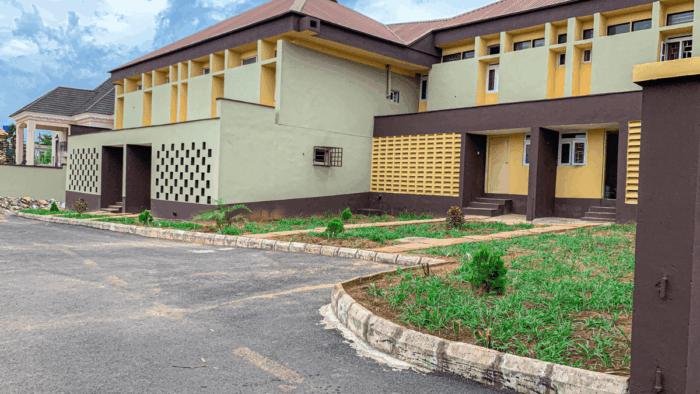
Improvement in infrastructure development and security situation in Enugu, South East Nigeria, has brightened the investment climate in the state, leading to an influx of individual and institutional investors.
The state’s investment climate has brightened more in the past 24 months with what analysts say is a revolution in the private serviced apartments business, which has been booming over the period.
The private serviced apartments, also known as short-lets, are a recent discovery in the coal city. These are fully furnished apartments rented out for days, weeks, or a few months, instead of the traditional one- or two-year lease.
Short-lets and private apartments are redefining real estate in Enugu—from passive rent collection to active, high-yield hospitality business.
It is a quiet estate revolution happening across the state, different from traditional rentals. From Independence Layout to Thinkers Corner and the GRA axis, a new kind of accommodation is booming, and that is private serviced apartments.
Analysts advise that investors in 2026 should see this as the most profitable entry point into the coal city’s property market, adding that those who understand this shift are the ones quietly making the most money.
For instance, a one-bedroom apartment is rented for N40,000 per night; a two-bedroom short-let goes for N70,000–N120,000 per night, while luxury units with pools or smart features charge even higher.
These apartments typically come with furniture and appliances, steady power (often solar and an inverter), Wi-Fi, and smart TVs.
The boom that this segment of the market has seen is driven by a mix of smart, opportunistic investors, such as young professionals and diaspora investors. Many Nigerians abroad or working in Lagos/Abuja are buying or leasing apartments in Enugu and converting them into short-lets.
Unlike the traditional leasing for one or two years, short-lets give higher returns than annual rent; it can earn income in naira or forex, and the investor has the flexibility to use the apartment personally.
For instance, a two-bedroom flat rented for N1.5 million yearly can generate far more as a short-let. Even at moderate occupancy, a two-bedroom apartment rented for N70,000 per night for 15 days gives N1.05 million per month. This, multiplied by 12 months, gives a lot of money that is significantly higher than annual rent when properly managed.
BusinessDay gathered that some estate developers are now designing properties specifically for short-let use as studio and one-bedroom units, gated mini-estates, and smart homes with digital access. Some new estates are being marketed almost entirely as investment properties for short-let income.
It was also discovered that not all investors own property, as some of them rent apartments annually, furnish them, and sublet as short-lets. This renting model allows entry into the market with less capital.
The success of short-lets is driven by a growing and diverse customer base, including diaspora visitors, who want privacy, space for family, and a home feel. Instead of booking multiple hotel rooms, they rent one apartment.
This business also enjoys patronage from business travellers such as consultants, contractors, and visiting executives working on Enugu’s infrastructure boom. This class of people needs comfortable stays, flexible booking periods, and work-friendly environments.
BusinessDay also learnt that this business, like any other, is not without challenges as operators face high setup costs such as furnishing, power, security, maintenance, and cleaning. There are also security risks, guest screening, and regulatory uncertainty in terms of future taxes or restrictions. The success of the business depends on location, management, and consistent service quality.

Join BusinessDay whatsapp Channel, to stay up to date
Open In Whatsapp