While inflation is easing in some economies and business activity shows signs of recovery, escalating geopolitical tensions in the Middle East—particularly the proposed blockade of the Strait of Hormuz—are introducing fresh uncertainty. From energy prices to capital flows and currency stability, the external environment is once again shaping Africa’s economic trajectory.

Here are the key stories driving markets this week

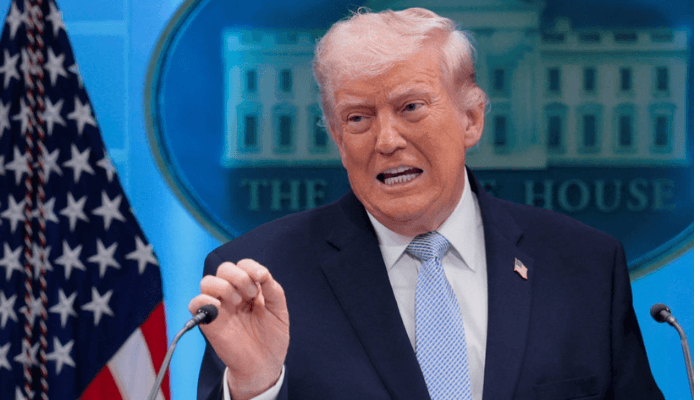
Trump’s Hormuz Blockade plan puts African markets on edge

The narrow waterway linking the Persian Gulf to global markets has become a geopolitical flashpoint following sustained US and Israeli strikes on Iran in recent weeks. In response, Tehran has tightened its control over the corridor, severely restricting maritime traffic.

A full-scale blockade—particularly one targeting vessels linked to Iranian ports—could choke off remaining flows through the strait, a route that carries roughly a fifth of global oil and gas supply, with consequences far beyond the Gulf.

Why it matters: For Africa, this is a direct transmission channel for inflation and fiscal stress. Higher oil prices raise fuel import bills, weaken currencies, and tighten financial conditions—especially for import-dependent economies—while limiting governments’ ability to cushion households.

Africa’s double-digit inflation economies to cool despite Middle East risks

According to the World Bank, Africa is expected to see fewer countries grappling with double-digit inflation by 2026, with the number projected to fall to nine from 13 in 2024—signalling steady progress in the fight against high prices despite lingering geopolitical risks.

Why it matters: This points to improving macroeconomic stability across the continent. However, the gains remain fragile. A sustained energy shock could quickly reverse disinflation trends, forcing central banks to keep rates higher for longer and slowing economic recovery.

Five African currencies with the biggest declines amid Middle East war

The escalation of tensions between the United States and Iran has driven global oil prices up by more than 50 percent since late March, triggering a wave of currency volatility across African markets. At least 29 African currencies have weakened, according to a joint assessment by the African Union and the African Development Bank, increasing the cost of servicing external debt and importing essential commodities.

Why it matters: Currency depreciation amplifies imported inflation and debt burdens. For policymakers, this creates a difficult trade-off between defending currencies, managing inflation, and supporting growth—particularly in already fragile economies.

Africa risks delays to key energy, port projects as Gulf nations review investments

Africa’s infrastructure and energy investment pipeline faces growing uncertainty as major Gulf economies—including the United Arab Emirates, Saudi Arabia and Qatar—reassess funding commitments amid domestic pressures linked to the Middle East crisis. The shift threatens to delay or scale back critical projects across energy, ports and technology—sectors central to Africa’s long-term growth.

Why it matters: Any slowdown in Gulf capital flows could stall infrastructure development, weaken trade competitiveness, and delay Africa’s structural transformation—at a time when investment is most needed.

Dangote refinery eyes $5bn Africa IPO record as listing nears

Nigeria’s leading industrialist, Aliko Dangote, is advancing plans to launch what could become Africa’s largest initial public offering, as Dangote Petroleum Refinery & Petrochemicals seeks to raise up to $5 billion. The listing, expected as early as May, could value the company between $40 billion and $50 billion, marking a landmark moment for African capital markets.

Why it matters: The IPO could deepen Nigeria’s capital markets, attract foreign investment, and reshape the continent’s downstream oil sector. At a time of global uncertainty, it also signals that large-scale domestic investment stories remain a powerful counterbalance to external shocks.

Chart of the Week

Bunmi holds a degree in Economics from the University of Lagos and has over eight years of experience in content writing and journalism. Her career spans roles as a financial and business journalist at BusinessDay Media and TechCabal, and as Head of Research at SBM Intelligence, an Africa-focused market intelligence and strategic consulting firm. She also served as Editor at Finance in Africa, a subsidiary of Businessfront and is currently Assistant Editor, Finance (Africa), at BusinessDay.

Join BusinessDay whatsapp Channel, to stay up to date

Open In Whatsapp