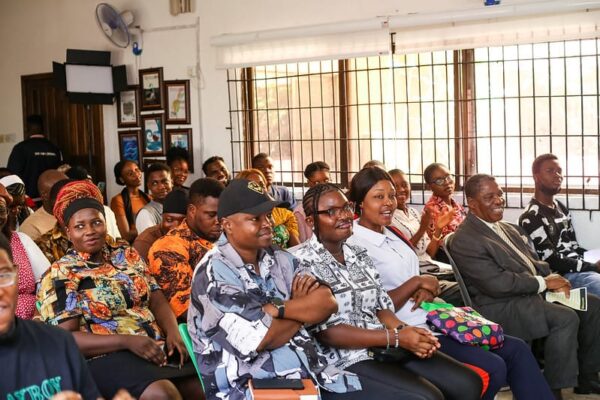
Humour is emerging as a practical tool to improve productivity and sustainability within Nigeria’s environmental advocacy space, as organisations explore new ways to address burnout and workforce fatigue. This shift was highlighted at an “eco-comedy” live event hosted by the Health of Mother Earth Foundation (HOMEF) and Environmental Rights Action in Benin City, where stakeholders examined the economic and operational implications of activist wellbeing.
Advocacy groups typically operate with limited funding, lean teams, and high expectations for rapid response to environmental threats. Persistent burnout, stakeholders noted, reduces efficiency, weakens campaign outcomes, and increases staff turnover, all of which carry significant cost implications for organisations already under financial pressure.
Operational benefits of creative engagement
HOMEF executive director Nnimmo Bassey said humour should be viewed as a functional tool rather than mere entertainment, noting its role in sustaining engagement and strengthening communication. He stressed that maintaining continuity in advocacy is critical, particularly in the face of systemic environmental challenges that require long-term investment of time and resources.
Read also:Why luxury asset-backed lending remains outside Nigeria’s credit system
Mariann Bassey-Olsson, deputy executive director, linked emotional wellbeing directly to organisational performance, warning that movements risk losing momentum if participants disengage due to stress. She noted that humour enhances message delivery and broadens audience reach, making campaigns more relatable and cost-effective.
Strategic shifts in the creative economy
Participants identified efficiency-driven strategies including collaboration, delegation, and better time management, alongside integrating creative formats such as storytelling and satire into programme design. These approaches, they argued, can reduce operational strain while improving public engagement metrics.
The event also underscored a growing niche within the creative economy, where comedy, storytelling, and advocacy intersect. Stakeholders said eco-comedy presents opportunities for content creation, media partnerships, and audience expansion, positioning it as both a communication strategy and a potential revenue stream.
Analysts say this model reflects a broader shift towards hybrid advocacy frameworks that combine culture and policy engagement to maximise impact while managing human capital more sustainably.

Join BusinessDay whatsapp Channel, to stay up to date
Open In Whatsapp