Africa’s healthcare crisis is no longer just about access; it is increasingly about ownership.
From imported drugs that may not suit local populations to a steady outflow of trained doctors and a limited base of African-led research, the continent remains heavily dependent on external systems to solve its most pressing health challenges. But that model, experts warn, is no longer sustainable.
At the Aga Khan University Hospital (AKUH) in Nairobi, a different approach is taking shape, one that prioritises locally driven drug development, specialist training and data-led research tailored to African realities.
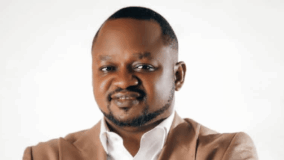
In this interview with ROYAL IBEH, Rashid Khalani, AKUH chief executive officer, alongside senior clinicians, lays out a compelling case for why Africa must urgently build its own drugs, retain its doctors and generate its own health data or risk falling further behind in the global healthcare landscape. Excerpt…
You argue that Africa must build its own drugs. What is fundamentally broken in the current system?
The biggest problem is that most drugs used in Africa are not developed for African populations. They are designed elsewhere and later introduced here without sufficient testing in our context.
Africa has unique disease patterns, genetics and environmental exposures. If we do not contribute to drug development, we will continue using treatments that may not deliver optimal outcomes.
That is why we are investing in research to ensure that Africa is part of the global knowledge system, not just a consumer of it.
How does data fit into this ambition? Why is African health data so critical?
Data is the foundation of everything, from diagnosis to treatment and drug development.
For example, our research on the Kenyan coast has revealed rising cases of liver cancer linked to aflatoxin exposure, which is common in poorly stored food. This is not the dominant cause in other regions, where most drugs are developed.
If we rely only on foreign data, we risk treating the wrong disease drivers. Local data allows us to ask the right questions and design the right solutions.
Beyond research, you are moving into local drug manufacturing. How viable is this?
It is viable, but it requires patience. We have already established a pharmaceutical facility in Nairobi and will begin with a small number of oncology drugs.
You cannot manufacture everything immediately. There are tens of thousands of drugs in use. The goal is to start with priority areas, build capacity and scale over time.
Local production is not just about supply; it strengthens economies, builds expertise and reduces dependence on imports.
Africa also faces a severe shortage of medical professionals. Why are doctors leaving?
The reasons are straightforward. Doctors want to practise in environments where they can apply their skills effectively.
If a specialist lacks the equipment or support systems required to do their job, they will leave. Healthcare is a team effort; without nurses, technicians and diagnostics, even the best doctor cannot function.
Then there is compensation. Doctors have families and responsibilities. If they earn significantly less than their counterparts abroad, migration becomes inevitable.
How central is compensation in reversing this trend?
It is critical. You may not match salaries in Europe or North America, but you must come close.
If the gap is too wide, people will leave. Retaining talent requires competitive pay but also investment in infrastructure and working conditions.
Doctors are the backbone of any healthcare system. If you do not invest in them, the system will fail.
What responsibility do governments have in solving this crisis?
Governments must increase healthcare funding. The Abuja Declaration recommended allocating 15 percent of national budgets to health, but most countries are far below that.
This funding is needed for infrastructure, research and workforce development. Without it, healthcare systems cannot function effectively.
Universal health coverage is also essential. It allows hospitals to pay professionals adequately while keeping care accessible.
You have emphasised ethics in innovation. What risks come with new diagnostic technologies?
Advanced diagnostics can detect disease risks long before symptoms appear. But that raises ethical concerns.
For instance, detecting cancer-related DNA does not mean a person will develop cancer. Yet that information could be misused by employers or insurers.
We must ensure that innovation is guided by ethical frameworks so patients are protected from discrimination or exploitation.
Africa is rich in traditional medicine. Can it play a role in modern healthcare?
It can, but it must be validated scientifically.
There are many claims about plants curing diseases like cancer. These claims need to be tested through proper clinical trials.
If we invest in research, we can transform traditional knowledge into evidence-based medicine, just as countries like India have done.
There is growing recognition of neurological diseases in Africa. What is driving this shift?
Improved diagnosis and awareness are key factors. Conditions like multiple sclerosis were once thought to be rare in Africa, but we now know they exist and may have been underdiagnosed.
We are building research cohorts and conducting trials to better understand how these diseases present in African populations.
How does your multidisciplinary model improve care delivery?
Complex cases require collaboration. At AKUH, specialists from different fields review cases together and develop integrated treatment plans.
We also have advanced diagnostic tools, including PET scanning and specialised labs, which improve accuracy and outcomes.
This approach reduces the need for patients to move between multiple institutions.
How is technology improving patient outcomes in practical terms?
Precision medicine is transforming care. For example, advanced radiotherapy allows us to target tumours accurately while protecting surrounding tissues. This reduces treatment time significantly, from several weeks to just a few sessions in some cases. The result is better outcomes and improved quality of life for patients.
With rising demand for specialised care, can your system handle scale?
Yes, we are building for scale through a hub-and-spoke model, supported by over 60 outreach clinics. This allows us to extend services beyond our main facility and manage referrals efficiently. We also operate continuously, which increases our capacity to treat more patients.
Who can realistically access this level of care today?
Currently, access is largely limited to the middle class and those supported by governments or insurance schemes.
However, our long-term goal is to expand access through partnerships with governments and insurers across Africa.
The idea is to make high-quality care available within the continent, reducing the need for treatment abroad.
Training is another key pillar. How is AKUH contributing?
Training is central to everything we do. We offer postgraduate programmes and fellowships, including specialised training in neurology and cardiology. We also collaborate with regional institutions to train doctors from across Africa.
If Africa is to solve its healthcare challenges, it must produce and retain its own specialists.
Non-communicable diseases are rising fast. How serious is the threat?
It is extremely serious. Cardiovascular diseases are already the leading cause of death globally and are projected to dominate in Africa by 2030. As infectious diseases decline, healthcare systems must adapt to this new reality.
How is AKUH preparing for this shift?
We have invested heavily in cardiology services, including diagnostics, emergency care and interventional procedures.
We also focus on rapid response for heart attacks, ensuring treatment within critical time windows to improve survival.
Finally, what does meaningful collaboration across Africa look like?
Collaboration is essential. No single institution or country can solve these challenges alone. We are open to partnerships across Africa, sharing knowledge, training professionals and building systems together.
Africa must move from fragmented efforts to coordinated action. That is the only way to build sustainable healthcare systems.

Join BusinessDay whatsapp Channel, to stay up to date
Open In Whatsapp