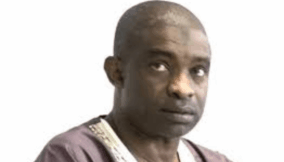
Ola Olukoyede, Executive Chairman of the Economic and Financial Crimes Commission (EFCC), has urged Nigerian media organisations to uphold ethical standards and adopt more responsible reporting in covering the country’s anti-corruption efforts.
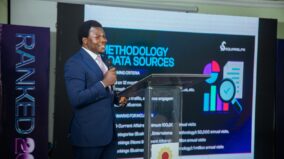
Speaking on Thursday in Abuja at the “VON Forum 2025,” Olukoyede said the role of the media is critical in shaping public perception and strengthening accountability in the fight against economic and financial crimes.
The forum, themed “51 Years of Nigeria’s Role in Deepening Democratic Stability in ECOWAS,” was organised by the Voice of Nigeria in collaboration with the Federal Ministry of Information and National Orientation.
Olukoyede decried the growing trend of politicised reportage of EFCC operations, noting that some media outlets often frame enforcement actions through partisan lenses rather than factual analysis.
He cited a recent case involving the arrest of a politically exposed individual over the alleged diversion of about $35 million meant for refinery development.
According to him, media headlines the following day focused on claims of political persecution instead of the substance of the allegations.
He stressed that such narratives risk undermining public confidence in anti-corruption institutions.
The EFCC boss maintained that the Commission’s activities are not influenced by political considerations, insisting that investigations and prosecutions are guided strictly by evidence.
“While cases involving certain political figures often trigger public backlash, similar actions against others receive little attention, a development he said calls for more balanced and ethical journalism”, he noted.
Olukoyede urged journalists to verify facts, avoid sensationalism, and prioritise national interest in their reporting.
Highlighting gains recorded in the anti-corruption campaign, Olukoyede pointed to the infrastructure housing the Voice of Nigeria as an example of recovered assets being repurposed for public good.
“The facility was acquired with proceeds recovered from a former government official, underscoring the tangible impact of EFCC’s work”, he said.
He called on Nigerians, particularly the media, to support the anti-corruption drive through responsible engagement and accurate reporting.
Beyond domestic efforts, Olukoyede also disclosed ongoing regional initiatives aimed at tackling corruption and terrorist financing in West Africa.
He revealed that he currently chairs the Network of Anti-Corruption Institutions in West Africa (NACIWA), a platform designed to foster collaboration among anti-graft agencies across the sub-region.
According to him, the initiative has been endorsed by the Economic Community of West African States (ECOWAS), and will soon begin operations.
The framework, he said, will enable intelligence sharing and joint cross-border investigations, removing bureaucratic barriers that often hinder enforcement efforts.
Earlier in his remarks, Jibrin Ndace, Director-General of the Voice of Nigeria, commended Olukoyede for participating in the forum and reaffirmed Nigeria’s leadership role in promoting peace and democracy within West Africa.
Ndace noted that Nigeria has consistently played a pivotal role in ECOWAS interventions across countries such as Liberia, Sierra Leone, Mali, and Guinea-Bissau, among others.
He said these contributions reflect the country’s longstanding commitment to regional stability and democratic governance.

Join BusinessDay whatsapp Channel, to stay up to date
Open In Whatsapp