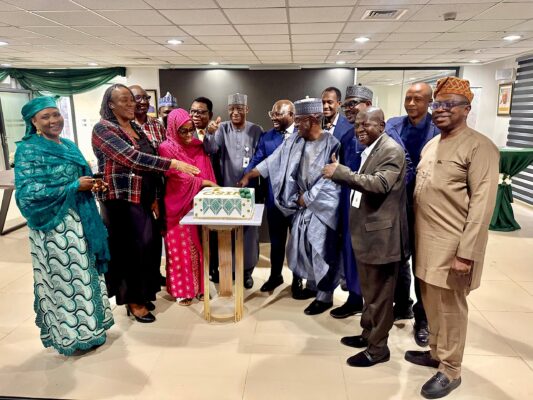
The Nigerian Independent System Operator (NISO) said it has advanced the needed framework for the integration of renewable energy into the national grid. This is in furtherance of its mandate to position the power sector for long-term sustainability and coordinated growth.
Abdu Mohammed Bello, managing director/chief executive officer, NISO, disclosed this in Abuja on Wednesday, as the operator marks its one-year anniversary.
Bello explained that the organisation is carrying out proper studies that allow integration of renewable energy into the grid in order to achieve a diversified generation in the system.
“At NISO, we are working to make sure that the approved transmission expansion plan is religiously implemented to add value to the system. This is very important; we have also advanced some frameworks for renewable energy integration into the national grid.
“We have also conducted critical studies, including those on renewable energy integration and battery energy storage systems. You will agree with us that advanced systems, electricity systems, use a lot of battery energy storage systems and renewable energy systems as well. This is very important and is the role of the NISO to ensure that we carry out proper studies and allow integration of renewable energy so that we have diversified generation in the system.
“We have also conducted critical studies, including those on renewable energy integration and battery energy storage systems. You will agree with us that advanced systems, electricity systems, use a lot of battery energy storage systems and renewable energy systems as well.
“So we have to follow this and we have to make sure that we don’t reinvent the wheel. We study our own system and make sure we bring in the best systems that will support the stability and reliability of the national grid. “These are the things we are working on, and we have done quite substantial work in this regard,” Bello said.
He listed the priorities of the organisation going forward to include deepening grid visibility and real-time operational control, strengthening system reliability and resilience, and enhancing transparency and efficiency in market operations.
The organisation, Bello said, will also focus on enhancing data-driven and technology-anchored system planning and support coordinated development of national and subnational electricity markets.
Bello explained that over the past year, the organisation has established governance and management structures to support independent system operations, strengthened institutional coordination across the electricity value chain and fostered a culture of accountability, professionalism and performance.
He said that in enhancing grid visibility, monitoring, and control, the organisation has improved its ability to see, understand, and manage the grid in real time by accelerating the implementation of the SCADA/EMS project to enhance grid monitoring and operational control.
He also added that the organisation has reached advanced stages in the deployment of telemetry across the grid at the electricity trading points and expanded the application of digital and IoT-based technologies as a stopgap for visibility.
“At the core of our mandate is ensuring a stable and resilient grid. Working closely with the Transmission Service Provider and Generation Companies, we have advanced implementation of Free Governor Mode Operation to improve frequency response, strengthening of protection coordination across the grid to reduce system disturbances is ongoing.
Read also: Why national grid collapsed again – NISO
“We have developed a scope and ToR for grid islanding to enhance system resilience during major disturbances, intensified operational coordination and real-time system monitoring, and initiated targeted actions to identify and reduce transmission losses. These interventions are contributing to improved system discipline and reliability.
“We have made deliberate efforts to strengthen market credibility and transparency. Over the past year, we have enhanced monitoring and enforcement of compliance with market rules, grid codes, and metering standards.
“These efforts are laying the foundation for a full visibilty and data-driven grid & market operations environment,” Bello said.
He, however, decried the impact of market liquidity constraints, grid infrastructure limitations, compliance gaps in critical operational requirements, and renewable energy integration constraints, adding that the challenges were being addressed through strengthened enforcement, improved planning, enhanced coordination, and targeted technical interventions.
[email protected]
Cynthia Egboboh is Journalist and news‑story writer with BusinessDay Nigeria, based in Abuja. Working in the media industry for over 8years, her report is focus on the Nigerian economy and finance, oil and gas industry, power, and infrastructure. Born in Edo State, Cynthia holds a Higher National Diploma in Business Administration and Management, from Auchi polytechnic.

Join BusinessDay whatsapp Channel, to stay up to date
Open In Whatsapp