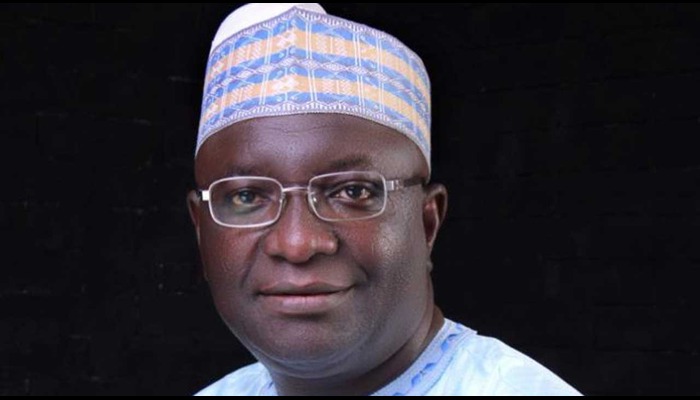
Nigeria risks losing billions in potential investment as only 6 percent of proposed infrastructure projects reach construction, Ali A. Rabiu, president of the Nigerian Society of Engineers (NSE), warned at the Nigeria Infrastructure Summit 2026.
He said this at the West Africa Infrastructure Expo and HVACR Nigeria event organised by dmg events and themed “Connecting West Africa Industry in Nigeria.” The summit, held from April 7 to 9 at the Landmark Centre, Lagos, provided a practical platform for policymakers, investors, contractors, and professional bodies to discuss solutions for bridging the nation’s infrastructure deficit.
Rabiu, represented by Valerie Agberagba, deputy president of NSE, said the issue is not planning or opportunity but execution. “What we have is not just a financing gap; it is a delivery gap,” he said. “Roads decay before completion, ports remain congested, and power supply is inadequate. That is not inefficiency; it is a failure of execution.”
The NSE estimates that only 10 percent of projects reach financial close, with just six percent moving into construction. Nigeria’s infrastructure stock accounts for roughly 30 percent of GDP, far below the 70 percent benchmark recommended for developing economies. Closing the $2.3 trillion gap, Rabiu said, could unlock jobs, attract investment, and drive long-term economic growth.
He said Nigeria faces a paradox of scale without quality. “We have built roads that decay before completion. Ports handle 70 percent of ECOWAS trade yet remain congested and inefficient. Power generation struggles at roughly 5,400 megawatts, far below what is needed for over 220 million people,” he said.
Logistics costs highlight the gap. According to Rabiu, it is often cheaper to ship goods from China to Lagos than to move them from Lagos to Kano, a situation that continues to undermine the country’s competitiveness.
Despite the gaps, there are pockets of progress. Rail projects such as Lagos-Ibadan and Abuja-Kaduna are operational. Electrification projects, including the Nigeria Electrification Project and the Kashimbilla Hydropower Plant, are expanding access. States like Lagos, Akwa Ibom, and Ogun are taking proactive measures, with Lagos allocating 25–30 percent of its budget to infrastructure and delivering urban rail corridors.
“These are islands of progress, not yet a continent of delivery,” Rabiu said. He stressed that systemic reform is required to ensure projects are completed to standard. Frequent building collapses, abandoned roads, and stalled projects reflect under-compensated engineers, weak regulation, and a broken accountability system.
Funding constraints also persist. Nigeria requires over N100 trillion annually to meet its Sustainable Development Goals infrastructure targets, yet rising debt servicing limits government expenditure. Rabiu said private capital could fill the gap if projects are properly structured, bankable, and well-managed.
The summit emphasised practical outcomes over theoretical discussions. Over the three days, participants explored 16 infrastructure categories, including transport, energy, digital connectivity, healthcare, education, and water. Best practices from Nigeria and around the world were shared, and stakeholders sought partnerships to ensure projects move from planning to construction.
Rabiu urged participants to ask critical questions. “How do we ensure infrastructure investments are resilient, sustainable, and inclusive? How do we de-risk projects and enhance bankability? How do we unlock private capital at scale?”
He added that no single entity can solve Nigeria’s infrastructure challenges alone. “Government must provide policy stability and credible guarantees. The private sector must bring capital and efficiency. Professionals must uphold ethics and quality. Development partners must align with Nigeria’s priorities, not their own,” he said.
Stakeholders at the summit said Nigeria’s infrastructure deficit presents a major opportunity. Rapid population growth, now estimated at more than 241 million, is driving urgent demand for energy, transport, water, housing, and digital infrastructure. Public-private partnerships and blended finance structures could mobilise domestic and foreign capital if projects are executed efficiently.
Josine Heijmans, senior vice president at dmg events, said HVACR Nigeria complements the summit by addressing a critical part of infrastructure delivery. “Cooling and climate control are no longer niche segments; they are central to sustainable infrastructure and energy-efficient cities,” she said.
Delivering projects efficiently, adhering to professional standards, and aligning funding sources are critical to unlocking the country’s $2.3 trillion opportunity. “This is a platform where stakeholders come together not just to discuss, but to move priorities into action,” said Josine Heijmans, senior vice president at dmg events. “Visitors can engage suppliers directly, review solutions up close, and gain insights that can be applied immediately to projects.”
HVACR Nigeria is a dedicated platform for heating, ventilation, air conditioning, and refrigeration (HVACR) professionals. The three-day exhibition brought together manufacturers, contractors, distributors, consultants, and end users across commercial, residential, industrial, and cold chain projects. It showcased practical technologies and systems, helping investors and developers integrate climate control solutions into broader infrastructure projects, from urban rail stations to industrial facilities.
“The time for action is now,” Rabiu said. “We must move from dialogue to delivery to ensure infrastructure serves all Nigerians, drives economic growth, and positions the country as a regional hub.”
Join BusinessDay whatsapp Channel, to stay up to date
Open In Whatsapp