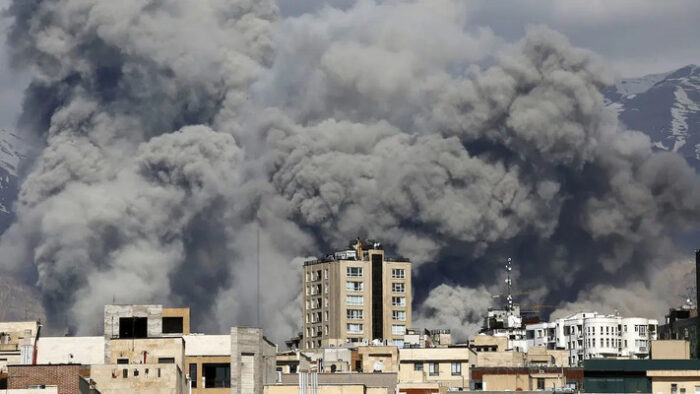
Surging oil prices have weakened currencies across the continent, reignited inflation risks and forced central banks into a more cautious stance, even as growth momentum begins to diverge across key economies. While countries like Kenya are already seeing demand and business activity soften, others are finding pockets of resilience—from strong bank earnings to short-term gains in trade and logistics.

These are the stories for the week

Middle East war drags Kenya’s business activity to eight-month low

Kenya’s private sector activity slipped to its weakest level in eight months in March 2026, as fallout from the Middle East conflict squeezed demand, disrupted logistics and intensified cost pressures across the economy. The latest Purchasing Managers’ Index (PMI) released on Tuesday from S&P Global showed the headline index fell to 47.7 from 50.4 in February, marking its first contraction since August and signalling a deterioration in business conditions. A reading below 50.0 indicates a contraction in activity.

Why it matters: Kenya’s slowdown highlights how quickly external shocks—particularly oil price spikes and supply chain disruptions—are feeding into domestic demand and business confidence. As one of East Africa’s largest economies, sustained weakness could drag regional growth and signal broader vulnerability across frontier markets.

Rising oil prices weaken 29 African currencies, deepen inflation risks

Global oil prices have surged by more than 50 percent as of March 24, triggering widespread currency depreciation across Africa and raising the cost of servicing external debt and importing essential goods. At least 29 African currencies have weakened, increasing the local-currency burden of debt repayments and driving up the cost of food, fuel and fertiliser imports, according to a joint report by the African Union and the African Development Bank.

Why it matters: Currency weakness compounds inflationary pressures and tightens financial conditions across the continent. For heavily import-dependent economies, this raises the risk of policy tightening, fiscal strain and slower growth, particularly in countries already grappling with high debt levels.

Kenyan banks see record $2.16bn profit despite rate cuts

Kenyan banks delivered record earnings in 2025 despite a rate-cutting cycle, highlighting the sector’s resilience and shifting revenue model. The combined after-tax profit of 11 listed lenders attributed to shareholders rose by 15.7 percent to KSh280.4 billion ($2.16 billion) from KSh242.3 billion ($1.86 billion) in 2024, according to data compiled by Abojani Investment Limited from the banks’ latest financial statements.

Why it matters: Strong bank profitability signals resilience in the financial sector even as macroeconomic conditions tighten. It also suggests a transition toward non-interest income and efficiency gains, positioning banks to better absorb shocks from currency volatility and slowing economic activity.

Global shipping disruptions lift Africa’s ports, trade outlook

A new joint report by the African Union and the African Development Bank projects that some African economies could record short-term gains from ongoing global shipping disruptions, even as broader risks mount. The report noted that current global shocks are transmitting faster and through more concentrated channels than previous crises, leaving African economies with limited time to adjust. The effects are already filtering through to households and businesses, highlighting the need for swift and coordinated policy responses.

Why it matters: While global disruptions pose risks, they also create selective opportunities for African ports and trade corridors to capture rerouted traffic. This could boost revenues and logistics investment, but the gains may be uneven and temporary without structural improvements.

Egypt joins African peers in holding rates as Middle East war fuels inflation

Egypt held its benchmark interest rates steady, joining a growing list of African economies that have paused monetary easing as escalating Middle East tensions weaken currencies and push up energy costs. The Central Bank of Egypt left its deposit rate unchanged at 19 percent and lending rate at 20 percent on Friday, marking a pause in its easing cycle after a series of rate cuts since last February. The decision, widely anticipated by analysts, reflects a more cautious policy stance amid rising global uncertainty.

Why it matters: The shift toward policy caution underscores the inflationary impact of external shocks and limits the room for monetary easing across Africa. This could slow credit growth and investment, reinforcing a more fragile recovery path for many economies.

Chart of the Week


Bunmi holds a degree in Economics from the University of Lagos and has over eight years of experience in content writing and journalism. Her career spans roles as a financial and business journalist at BusinessDay Media and TechCabal, and as Head of Research at SBM Intelligence, an Africa-focused market intelligence and strategic consulting firm. She also served as Editor at Finance in Africa, a subsidiary of Businessfront and is currently Assistant Editor, Finance (Africa), at BusinessDay.

Join BusinessDay whatsapp Channel, to stay up to date

Open In Whatsapp