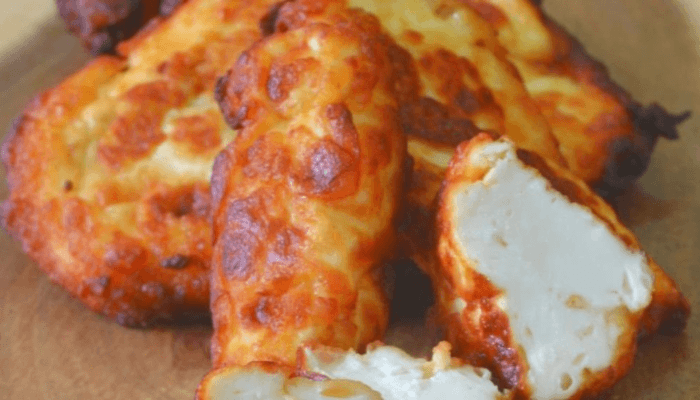
Welcome to Ilorin, the Kwara State Capital. Walking into this particular bustling motor park, as engines roared and passengers hurriedly boarded vehicles to their various, I found myself drawn to a familiar roadside delicacy, popularly known as wara.
This street snack, freshly fried, is golden brown on the outside and soft within. From my observation, the snack is more than just a quick snack to pass time, this owing to the way people were buying and chewing the dairy delight.
In that moment, it became clear that wara tells a much deeper story, it is one of heritage, identity and everyday Nigerian life in the middle belt and Northern Nigeria.
Often described as Nigeria’s local cheese, wara is rooted in the pastoral traditions of some parts of Northern Nigeria, South Western Nigeria and the middle belt. From Ilorin, to Ogbomosho, Oyo town and Ibadan, I kept seeing the creative entrepreneurs as they displayed the fried dairy delight in transparent cellophanes.
For generations, they have transformed fresh cow’s milk into soft curds using natural coagulants derived from plants. This simple yet ingenious process, preserved through oral tradition and daily practice, reflects an indigenous knowledge system that aligns with the cultural preservation goals of UNESCO.
Across northern and southwestern Nigeria, wara has evolved from a rural dairy product into a widely loved street food. In markets, along highways and especially in transit hubs like Ilorin’s motor parks, it is fried, or served fresh, sometimes with pepper sauce, sometimes tucked into bread, sometimes eaten with jollof rice and sometimes used as meat in sauces and stews.
In these spaces, wara becomes more than nourishment, it becomes a culinary delight, a cultural connector, and a traditional heritage shared by travelers, traders and locals alike.
Beyond its cultural appeal, wara is nutritionally valuable. Rich in protein, it supports muscle growth and body repair, while its high calcium content strengthens bones and teeth. With relatively low carbohydrates and minimal processing, wara offers a healthier alternative to many modern snacks, especially when prepared under hygienic conditions.
Its significance also extends to the economy. From Fulani herders to local processors and roadside vendors, many of them women, wara sustains a vibrant value chain that supports livelihoods and small-scale enterprise. It is a clear example of how tradition and economic resilience can go hand in hand.
Under the Intangible Cultural Heritage framework of UNESCO, traditions worthy of recognition must reflect community identity, sustainability and transmission across generations. Wara meets these criteria effortlessly. It is deeply rooted in culture, widely practiced, environmentally sustainable and socially relevant.
Under the framework of UNESCO, elements considered for inscription must demonstrate cultural significance, community identity, and transmission across generations. Wara meets these criteria in several ways:
Traditional Knowledge Transmission: Skills are passed orally and practically from one generation to another.
Cultural Identity: It is strongly associated with Fulani heritage and broader Nigerian food culture.
Sustainability: It relies on locally sourced milk and natural coagulants, promoting eco-friendly practices.
Social Function: It is eaten in communal settings, markets, and travel hubs, reinforcing social cohesion.
Economic Value: It provides livelihood for local producers, especially women involved in dairy processing and street vending.
The best way to preserve and promote Wara is majorly by documenting wara production, encouraging hygienic practices, and promoting it through digital storytelling platforms can strengthen its case for UNESCO recognition.
Integrating it into culinary tourism and national food narratives would further elevate its status as a symbol of Nigerian ingenuity and heritage. From the roadside stalls of Ilorin to the broader national consciousness, wara stands as a humble yet powerful representation of Nigeria’s culinary legacy. Recognizing it on the global stage would not only preserve a tradition but celebrate the communities that keep it alive, one sizzling piece at a time.
As Nigeria continues to showcase its culinary richness to the world, wara stands out as a compelling candidate for global recognition. My brief encounter with it in Ilorin was a reminder that some of our most powerful cultural symbols are found in the simplest places.
From the sizzling roadside pans to the hands of everyday Nigerians, wara remains a humble yet enduring expression of our shared heritage, one that deserves not just national pride, but a place on the global stage.

Join BusinessDay whatsapp Channel, to stay up to date
Open In Whatsapp