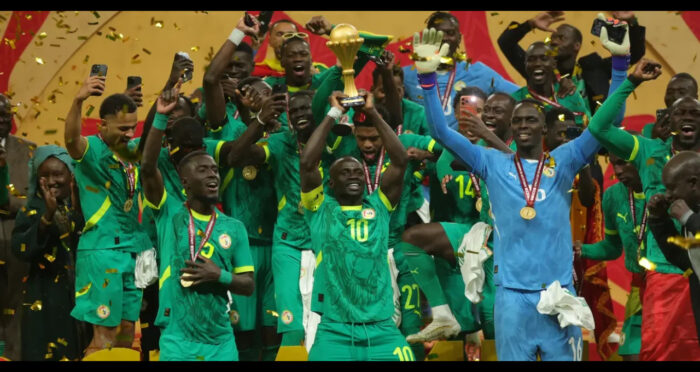
Relations between long-standing allies Morocco and Senegal have plunged to a historic low following an unprecedented ruling by the Confederation of African Football (CAF) to strip Senegal of its 2025 Africa Cup of Nations (AFCON) title and award it to Morocco.
The decision, finalised on March 17, 2026, overturned Senegal’s 1–0 extra-time victory on the pitch, replacing it with a 3–0 forfeit win for the hosts. The fallout has triggered protests in Dakar, calls for consumer boycotts, and a high-stakes legal battle at the Court of Arbitration for Sport (CAS).
Read Also: A timeline of how Senegal’s AFCON victory turned into a continental standoff
At the centre of the crisis is the Senegal national football team, whose players walked off in protest after a late penalty was awarded to Morocco. CAF deemed the action a breach of regulations, sparking a decision that has since escalated into a diplomatic flashpoint.
Tension on the Streets, Pressure on Governments
In Dakar, security has been visibly tightened. On Rue Mohamed V, a commercial hub for Moroccan traders, police remain on high alert, reflecting the public anger over what many Senegalese view as a politically influenced decision, according to an AFP report.
Senegal has formally challenged the ruling at CAS while also calling for an international investigation into alleged corruption within CAF, claims strongly rejected by Moroccan officials.
“The document insinuates Morocco is the corrupting influence, without evidence. This could have repercussions,” said Moroccan official Aziz Daouda.
Read Also: Morocco threatens legal action over Senegal’s plan to parade AFCON 2025 trophy
Detained Fans and Rising Anger
The crisis has deepened with the detention of 18 Senegalese supporters in Morocco, sentenced to prison terms of up to one year for hooliganism during the final.
Their appeal hearing has been postponed until April 13, further inflaming tensions. In Dakar, demonstrators have labelled the detained fans “hostages,” turning the issue into a rallying point for national sentiment.
Senegalese Prime Minister Ousmane Sonko warned that the situation risks escalating beyond football.
“This affair seems to go beyond sport, and that is regrettable for two friendly nations,” he said.
A Trophy Dispute and Diplomatic Undercurrents
Adding to the controversy, Senegalese President Bassirou Diomaye Faye was recently photographed with the AFCON trophy still in his office, despite CAF’s ruling. Morocco has reportedly issued legal notices to prevent its public display.
The dispute has also exposed deeper sensitivities, with Dakar’s corruption allegations and Rabat’s firm denials straining what has long been described as one of Africa’s most stable bilateral relationships.
Historic Ties Under Strain
Despite the current crisis, Morocco and Senegal share deep-rooted cultural, religious, and economic ties. Morocco has invested heavily in Senegal’s economy, while religious links, particularly through the Tijaniyya brotherhood and pilgrimage routes to Fez, underscore a long-standing bond.
“A hundred minutes of football will never ruin a thousand years of ties,” former Senegalese foreign minister Cheikh Tidiane Gadio wrote.
A Defining Test Ahead
With legal proceedings ongoing and public sentiment still volatile, the dispute represents a critical test of diplomacy between two key African nations.
What began as a football controversy has evolved into a geopolitical issue, one that will determine whether sport can fracture longstanding alliances or whether deeper ties can ultimately withstand the pressure.

Join BusinessDay whatsapp Channel, to stay up to date
Open In Whatsapp