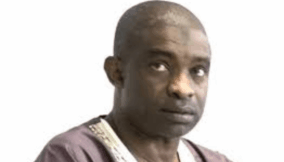
After more than 40 days in detention, social media critic Abubakar Adamu has been granted bail by the Federal High Court in Kaduna today Friday, bringing a temporary reprieve in a case that has ignited nationwide debate over freedom of expression.
Adamu was arrested by Nigeria’s Department of State Services (DSS) following a controversial social media post in which he allegedly called for the elimination of Benjamin Netanyahu, the Prime Minister of Israel. The DSS argued that the post had the potential to trigger diplomatic repercussions for Nigeria, a claim that has since divided public opinion.
Civil society groups, led by the Centre for Information Technology and Development (CITAD), strongly condemned Adamu’s prolonged detention. The organization described the move as a threat to free speech and warned that it could set a dangerous precedent for digital expression in the country.
In a statement, CITAD emphasized that criticism of governments or public figures—whether domestic or international—should not be criminalized. It urged authorities to ensure that security agencies operate strictly within constitutional provisions and international human rights standards protecting freedom of expression.
Legal analysts and rights advocates have also raised concerns about what they describe as “selective enforcement.” Many question why Adamu remained in custody for over 40 days while others accused of making similar or more provocative statements have not faced comparable consequences. The disparity has fueled suspicions about possible bias and the broader role of security agencies in policing online speech.
Critics argue that the DSS’s actions risk creating a climate of fear, discouraging Nigerians from expressing dissenting views. For many observers, Adamu’s case has become a litmus test for the state of civil liberties in Nigeria’s digital age.
While Adamu’s release on bail marks a significant development, activists insist that the broader issues remain unresolved. Calls are growing louder for the charges against him to be dropped entirely, alongside demands for clearer safeguards to protect citizens’ rights online.
As Adamu begins the process of rebuilding his life, his case underscores the delicate balance between national security concerns and the preservation of fundamental freedoms. Observers say how authorities handle the matter going forward will shape public trust and define the boundaries of free expression in Nigeria for years to come.
Join BusinessDay whatsapp Channel, to stay up to date
Open In Whatsapp