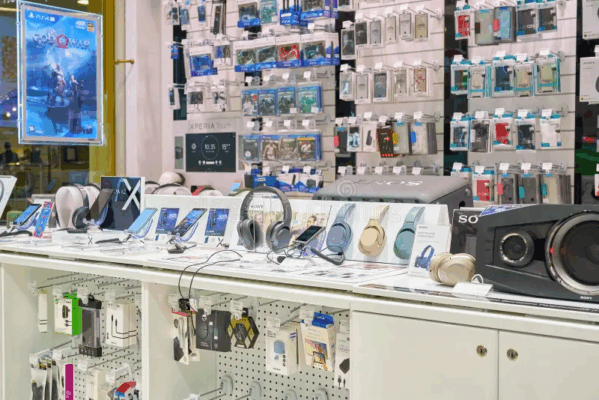
Africa’s consumer electronics market has quietly become one of the most exciting growth stories in global retail. Over the past decade, rising city populations, better access to electricity, and a fast-expanding digital economy have driven up demand for televisions, fridges, washing machines and other household gadgets across the continent.
For years, big multinational brands had the market largely to themselves. That has changed. Asian manufacturers, regional distributors and a growing crop of homegrown brands have moved in, attracted by surging demand and the rapid spread of retail networks in major cities.
Televisions and home appliances are among the biggest sellers. As wages rise in urban areas, more households are furnishing their homes with modern essentials, from air conditioners to refrigerators, reflecting a broader improvement in living standards.
Demographics are a big part of the story. Africa is home to the world’s youngest and fastest-growing population, and cities are expanding rapidly. Lagos, Nairobi, Accra and Dar es Salaam have all seen sharp growth in demand for consumer electronics in recent years.
Read Also: Kaspersky uncovers ‘CrystalX’ malware that steals data, harasses victims
Getting products to buyers, however, remains a challenge unique to the continent. In most African markets, electronics are sold through a patchwork of independent retailers, wholesalers and regional dealerships rather than large national chains. For brands that understand this network, it presents an opportunity.
One entrepreneur who seized that opportunity early is Prateek Suri, founder of Maser Group. Suri built a consumer electronics distribution business across several African countries under the Maser brand, focusing on televisions and home appliances. The company grew its regional footprint steadily and eventually attracted acquisition interest — a sign of the value being created in this space.
Stories like Suri’s have caught the attention of investors and industry observers alike, reflecting broader confidence in Africa’s consumer technology sector.
Still, operating in the region is not without difficulty. Currency fluctuations, patchy logistics infrastructure and regulatory differences between countries can create headaches for supply chains and pricing. Competition is also intensifying, with both global players and regional distributors vying for a share of growing urban markets. Affordability, durability and reliable after-sales service are often what tip the balance for consumers.
E-commerce is beginning to reshape the market, too. Online retail platforms and mobile payment systems are changing how electronics are bought and sold, particularly among younger, digitally savvy shoppers.
Looking ahead, some analysts see an opportunity for more local manufacturing. Several African governments have introduced policies to encourage domestic assembly and production, aiming to cut import dependency and create jobs. Whether that ambition translates into a meaningful industrial shift remains to be seen.
The long-term outlook, though, is broadly positive. As infrastructure improves and purchasing power grows, demand for televisions, home appliances and digital devices is expected to keep rising — making Africa’s electronics market one to watch for years to come.

Join BusinessDay whatsapp Channel, to stay up to date
Open In Whatsapp