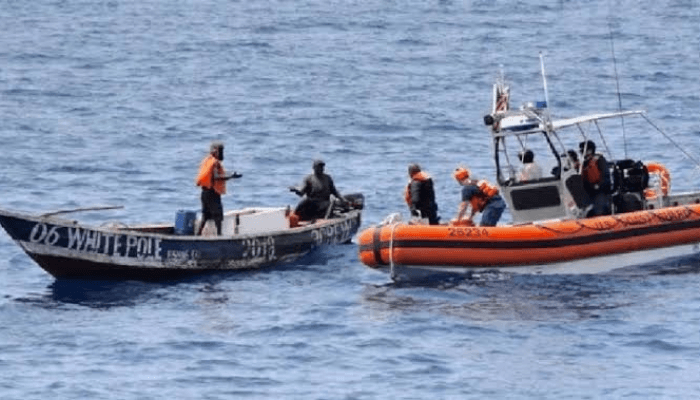
The establishment of the Nigerian Coast Guard is projected to drive a significant increase in revenue from oil and gas, fisheries, and other maritime resources, potentially generating as much as N90 trillion for the nation annually. Proponents argue the agency would be instrumental in curbing piracy, enhancing cross-border trade, and improving national maritime security.

Noah Ichaba, Captain and Chief Executive Officer of the Provisional Committee of the proposed Nigerian Coast Guard (PC-NCG), emphasised the agency’s strategic importance in Abuja on Monday. He noted that the body is essential for tapping Nigeria’s maritime potential and addressing challenges within the blue economy.

Read also: Nigeria agrees to test regional database in fight against illegal fishing

Unlocking the blue economy potential

In a statement signed by Piriye Kiyaramo, Director of Communications and Public Affairs for the PC-NCG, Ichaba maintained that the effective management and regulation of Nigeria’s vast maritime territory is the key to unlocking this substantial revenue.

He urged Bola Tinubu, President of Nigeria, the National Assembly, and relevant stakeholders to swiftly facilitate the agency’s establishment. Ichaba cited the vision outlined in the National Institute for Policy and Strategic Studies (NIPSS) Senior Executive Course (SEC) 47, which recommends decisive action to harness the nation’s blue economy.

Ichaba noted that creating a more secure and properly regulated environment would halt revenue leakages. “Optimising revenue and operations will enhance safety and security, attract more shipping business, curb illicit activities, and foster growth in the marine and blue economy,” he said.

Plugging leakages and enforcing maritime law

According to Ichaba, improving the sector will entail combating illegal activities and regulating all maritime sub-sectors. This involves preventing smuggling and piracy through rigorous law enforcement, which he claims would halt billions of naira in losses currently stemming from evaded customs duties.

Furthermore, the proposed Coast Guard would enforce the Cabotage Act to bar illegal trading by foreign vessels in Nigerian waters, ensuring revenue remains within the local economy. The agency would also combat illegal and overfishing to ensure fair taxation and ecological sustainability.

Securing oil and gas infrastructure

A dedicated Nigerian Coast Guard would simplify the protection of the oil and gas sector—a resource of paramount importance—by securing infrastructure, oil rigs, and related assets. Ichaba emphasised that this would ensure steady production and effectively reduce crude oil theft by patrolling inland waterways and coastlines.

Read also: Dangote Cement Obajana graduates 40 In fish farming, entrepreneurship

Ichaba praised the presidency’s support for NIPSS, particularly the SEC 47 (2025) report titled “Blue Economy and Sustainable Development in Nigeria: Issues, Challenges and Opportunities.” With the recommendations now submitted to the federal government, the committee is urging a swift official announcement.

“This call reminds the federal government of its commitment to convert Nigeria’s maritime potential into a major driver of economic diversification and job creation through intentional policy reforms,” Ichaba concluded. He noted that the NIPSS report provides Nigeria’s best chance for a maritime revenue boom and that there is no further need for delay.


Join BusinessDay whatsapp Channel, to stay up to date

Open In Whatsapp