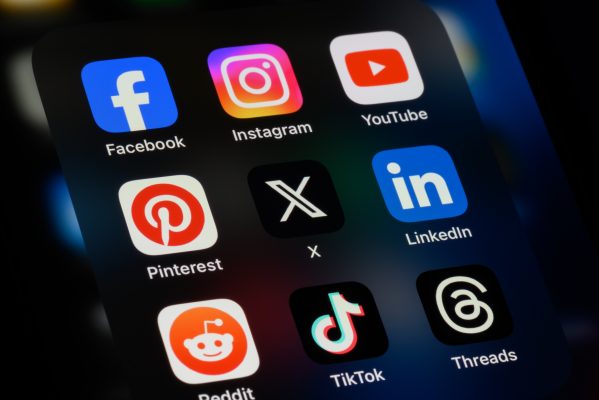
Heavy use of social media is increasingly being linked to declining life satisfaction among young people, according to findings from the World Happiness Report 2026.
The report shows that young people who spend more time on social media platforms tend to report lower levels of happiness and overall wellbeing, especially in several developed economies.
Researchers found that the impact is more pronounced among teenagers, particularly girls, with those spending extended hours online recording significantly lower life satisfaction compared to peers who use social media less.
The findings suggest that not just the amount of time spent online, but the type of content consumed, plays a key role. Algorithm-driven and influencer-focused content was associated with more negative outcomes, while platforms centred on direct communication showed relatively better effects on wellbeing.
Data from the report also indicates that life satisfaction among people under 25 has declined in countries such as the United States, Canada, Australia and New Zealand over the past decade, even as levels have improved in other parts of the world.
Experts say excessive social media use may be displacing real-life social interactions, weakening support systems that are critical to mental health and emotional wellbeing.
While the report does not establish a direct cause-and-effect relationship, it highlights a strong correlation between heavy usage and reduced happiness, raising concerns for policymakers, educators and families.
The findings come at a time when governments in some countries are considering stricter regulations on youth access to social media, reflecting growing global concern over its long-term impact on mental health.

Join BusinessDay whatsapp Channel, to stay up to date
Open In Whatsapp