…initiative attracts N70bn private capital through PPP
The federal government of Nigeria has intervened in the country’s rent crisis with housing solutions focused on renters who now spend a significant part of their income on house rent.
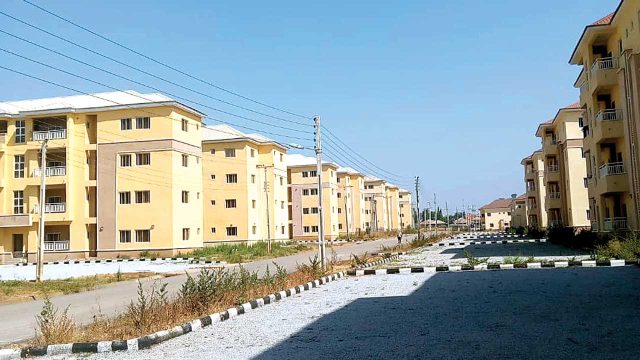
One of the housing solutions the government has come up with is the Rent-to-Own housing scheme that allows eligible Nigerians to move into homes while paying monthly instalments towards eventual ownership.
Ahmed Dangiwa, minister of housing and urban development, who disclosed this at a housing programme in Abuja, explained that the scheme will offer practical housing solutions for urban workers and young families grappling with rising rents and limited access to mortgages.
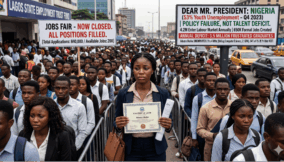
By the last check, the income-to-rent ratio in Nigeria is about 70 percent, which is more than double the 30 percent or less recommended by the United Nations (UN).
This piles enormous pressure on an average Nigerian worker who, as a result, finds it very difficult to feed his family, pay bills for children’s education, health, and other social needs of the family.
The minister disclosed that the initiative would be implemented by the federal mortgage bank of Nigeria (FMBN), offering two critical support mechanisms, including an option for occupants to gradually own homes through monthly payments and a provision for flexible monthly instalments to cover annual rent.
“Recognising that not everyone is ready to buy a home, we have introduced two groundbreaking interventions at FMBN—the Rent-to-Own Scheme, which lets eligible Nigerians move into homes while paying monthly toward ownership.
The Rental Assistance Product which allows Nigerians to pay annual rent upfront, with flexible monthly repayment options. These are practical measures to reduce housing stress, especially for urban dwellers and young families,” the minister said.
He added that the government is also committed to the National Urban Renewal and Slum Upgrade Programme, which focuses on infrastructure development, housing rehabilitation, and service delivery in underserved communities.
Dangiwa noted that these efforts align with the UN-Habitat Global Action Plan for Slum Transformation and the Addis Declaration adopted at the 2024 Africa Urban Forum, which calls on African governments to leave no one—and no place—behind.
He said these initiatives support the broader Renewed Hope Housing Programme, which includes large-scale Renewed Hope Cities, state-level Renewed Hope Estates, and Social Housing Estates for low-income earners.
These efforts, he revealed, have attracted over N70 billion in private sector investments through public-private partnerships.
Highlighting the affordability challenge, the minister stressed that across Africa, the housing crisis stems not only from a supply shortage but also from a lack of access, noting that many people, even where housing exists, cannot afford it due to widespread low incomes.
Join BusinessDay whatsapp Channel, to stay up to date
Open In Whatsapp